
Pollinator garden design is the most proven way to turn even a small backyard into a reliable refuge for bees and butterflies—without sacrificing order or curb appeal. If your lot is under 1,200 sq ft, with only a 12′ x 10′ patch to spare, you can still dramatically increase pollinator numbers while meeting HOA requirements. This guide gives you step-by-step, science-backed strategies to plan, plant, and maintain a thriving pollinator haven—even if your schedule or patience is as tight as your space.
Key Takeaways
- Intentionally designed pollinator gardens with native plants in clumps, layered heights, and continuous bloom provide outsized ecological impact—even in small yards.
- Smart layout and compact plant lists help you work around HOA rules, limited space, and availability headaches—while still looking neat.
- With a practical 30–90 day plan and low weekly maintenance, any homeowner can create a high-performing pollinator-friendly backyard strip or curb garden.
- Why pollinator garden design matters (science summary)
- Step-by-step pollinator garden design guide
- Advanced analysis & common pitfalls
- Conclusion
- FAQ: Pollinator Garden Design for Small Yards
Why pollinator garden design matters (science summary)
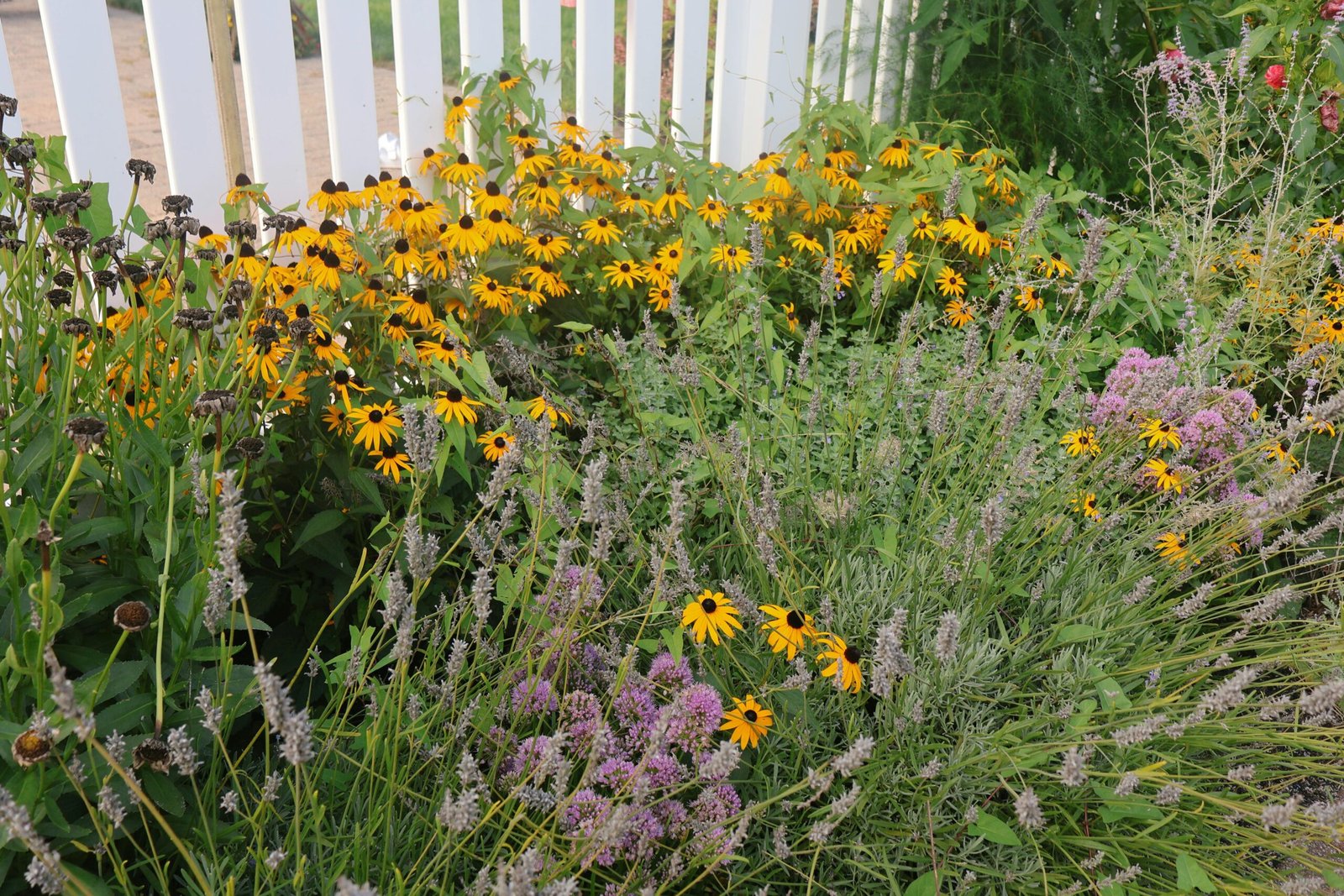
Deliberate pollinator garden design transforms even a small suburban lot from barren ground into a powerhouse of bee and butterfly diversity. Studies consistently show that when you plant a rich mix of native flowering species in tightly grouped clumps (ideally, 5–7 of each), and layer different heights and shapes together—then keep something in bloom from spring through fall—you can multiply local bee abundance, species variety, and overall pollinator visits.
This works because diversity and structure offer resources for many species, not just a few. Dense clumps are easier for pollinators to find and feed from, while staggered heights and varying flower shapes attract everything from ground-nesting solitary bees to tree-top butterflies. Key requirements? At least 6 hours of sun, three blooming species per season, and zero pesticides.
Gardens designed with these principles—even those as small as 3 x 6 feet—outperform plain lawns or scattered plants by orders of magnitude [Murphy & Crone, 2021]. And you sidestep “messy” wild look with intentional, repeatable patterns, edges, and species selection.
Step-by-step pollinator garden design guide
Building a pollinator garden that is both effective and HOA-approved takes planning, smart plant choices, and ongoing attention. Here’s how to get it right in any small yard—and stick with it all season:
- Assess your sunlight and space. Most pollinator friendly plants for backyard success need 6+ hours of direct sun. Mark only what’s truly sunny for planting—shade requires a different (usually less colorful) palette.
- Prep a neat, defined bed or containers. Aim for at least a 3′ x 6′ plot or similar containers. Use crisp edges—think brick, steel, or mulch border—so the bed looks intentional. Remove weeds and loosen soil for planting.
- Choose your plant list wisely. Pick native or locally adapted plants wherever possible. Focus on a list of 10–15 that bloom in sequence: at least three for spring, three for summer, three for fall. Mix flower sizes and heights. See the full plant/bloom chart below!
- Arrange in dense clumps and layers. For each species, plant 5–7 individuals together in tight clusters. Stagger tall in back (indigo, coneflower), medium in the middle (milkweed, coreopsis), short in front (thyme, groundcover phlox).
- Add pollinator nesting and water features. Dig a bare soil patch (1 ft square, no mulch) for ground-nesting bees. Place a shallow water dish with stones for drinking. Install or DIY a bee house or set out drilled logs.
- Mulch sparingly, mow or prune edges. Keep at least a 6″ border of tidy mulch along sidewalks and paths. Reduce mowing inside the bed, but never let edges sprawl beyond boundaries (HOA peace!).
- Skip pesticides and weed killers. Even “organic” sprays can harm bees—hand-remove pests or use physical barriers instead.
- Water and maintain as needed. First year, water until plants are established; later, only during drought. Deadhead spent blooms (or not—seed heads support overwintering bees and birds).
- Monitor, tweak, and enjoy pollinator visits. Notice which areas get the most action; swap out species or move containers if needed.
Three proven layout recipes for any small yard
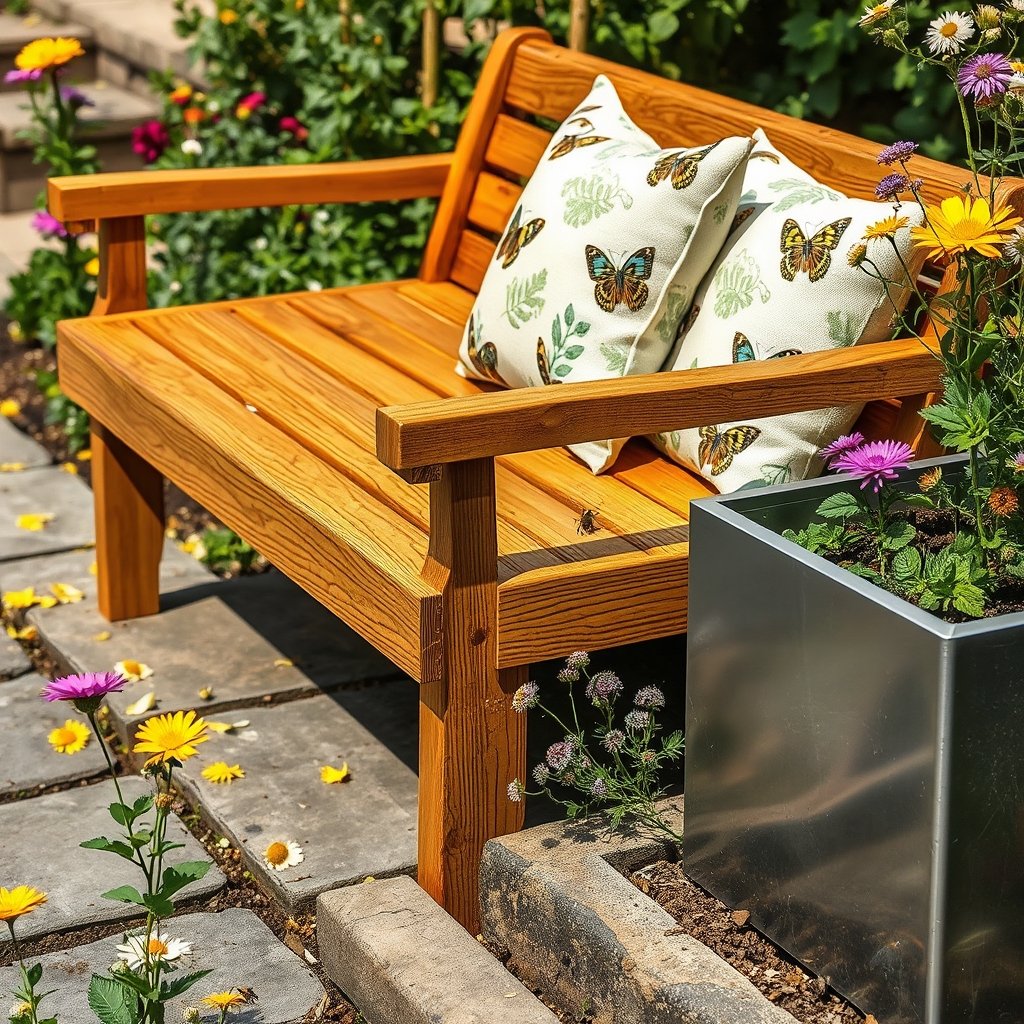
- Sunny Patio Border: Use a 10′ x 2′ strip beside your back patio. Plant tall (coneflower, indigo), medium (milkweed, coreopsis), and short (thyme, creeping sedum) in 5–7 plant clumps. Tuck in two container towers for sprawling nasturtiums or mini-veggies for bees.
- Front Yard Pollinator Curb: Along sidewalks or driveways, install a 12′ x 1.5′ strip with a mix of neat native grasses (little bluestem), low perennials, and a vertical trellis (clematis or coral honeysuckle). Mulch edges, plant 5–7 of each choice, and never let flowers lean outside your official boundary.
- Back Deck Mixed Bed: Use at least a 3′ x 6′ plot, layering 2–3 taller and 2–3 shorter species, with “pollinator pots” on the deck or railing (herbs, zinnias, or dwarf native annuals).
Clumping each species not only makes the garden visually tidy but directly increases bee and butterfly visits [The Country Barn, 2025]. If possible, connect your garden with a neighbor’s for a mini-habitat corridor.
Want a downloadable plant chart with a seasonal bloom calendar? Jump to our ready-to-use table.
Advanced analysis & common pitfalls
Even armed with the best pollinator garden ideas for small yards, there are real obstacles that can undermine your success. Here are the major ones—and how to overcome them:
| Common Pitfall | Why It Hurts | How to Avoid or Fix |
|---|---|---|
| No sequential blooms (one big spring flush, then nothing) | Pollinators starve in summer/fall and visitation drops sharply | Always select at least three different plant species for each season; double-check bloom times |
| Choosing only showy ornamentals (non-natives) | Native bees and butterflies largely ignore these; minimal ecological benefit | Prioritize native species or those proven to attract local pollinators; use only as accents if aesthetics require |
| Poor definition or border containment | HOA may object; garden “looks messy” or overgrows public side | Install crisp physical or mulch borders; always prune or mow around edges |
| Pesticide drift/contamination (from yours or neighbor’s yard) | Even small amounts can decimate bee/larval populations | Advocate for night-only organic gardening; never use systemic insecticides; add “pesticide free” signage for neighbors |
| No nesting habitat (all mulch or landscape fabric) | Ground-nesting bees and butterflies can’t complete their life cycle | Always spare a bare patch of soil and avoid fabric/pebble mulch; add logs or a bee house for wood-nesters |
| Inadequate plant sourcing (local shortage) | Cannot create necessary diversity or continuity | Use plant substitution lists and seek out native nurseries or partner with local garden clubs |
| Over-mowing or excessive tidiness | Destroys habitat and disrupts pollinator cycles | Reduce mowing frequency as much as feasible (Lerman et al. 2018); mow only neat border strips |
Remember: even small mistakes (planting exotics, skipping structural layering, over-mulching) can sharply reduce pollinator benefits. It pays to plan and adjust over your first season.
Conclusion
Pollinator garden design works powerfully at any scale—even a narrow strip or container cluster by your patio. Design for diversity with a few strong native clumps, varied height and flower forms, and bloom sequence for curb appeal and resilience. Embrace neatness at the edges, skip the chemicals, and add water or nesting zones to complete the habitat. With these evidence-based principles, you will see bee and butterfly numbers rebound—while your garden becomes a model of ecological and visual success. Try pollinator garden design this weekend and watch your yard come alive. Ready to get started? Download our full plant list, layout diagrams, and 30–90 day action checklist below—or visit our Native Plants Nursery guide to find local stock.
FAQ: Pollinator Garden Design for Small Yards
Will my pollinator garden look messy or violate HOA rules?
Not with the right layout and plant spacing. Plant in dense clumps with crisp borders, choose compact native perennials, and keep paths and sidewalks edged. Most HOAs accept well-defined, mulched beds with blooms under 3 feet tall and no sprawl. See our front strip plan above for a proven layout.
What if I can’t find all the native species on the ideal plant list?
Substitute with regionally adapted cultivars or similar nectar/pollen producers (even certain herbs or compact annuals) if needed. Local native nurseries and plant swaps often have better selection than box stores.
How do I handle pests without risking pollinators?
Hand-pick pests, use row covers for vegetables, and rely on bird and spider allies. Avoid any broad-spectrum or systemic pesticides—even “organic” types can harm bees. Only target pest outbreaks, never spray preventatively.
Why aren’t butterflies or bees showing up after planting?
It often takes a full season for pollinators to discover new gardens, especially if mature native plants are rare nearby. Check that you have sequential blooms and different flower shapes. Water and weed while establishing, and monitor for next year’s population boom.
Do small gardens really help pollinators long-term?
Yes! Multiple studies prove that even small, well-designed gardens increase abundance and diversity. Linking yours to a neighbor’s or nearby green strip amplifies the effect and helps restore habitat corridors across suburban landscapes. See more here.
—