

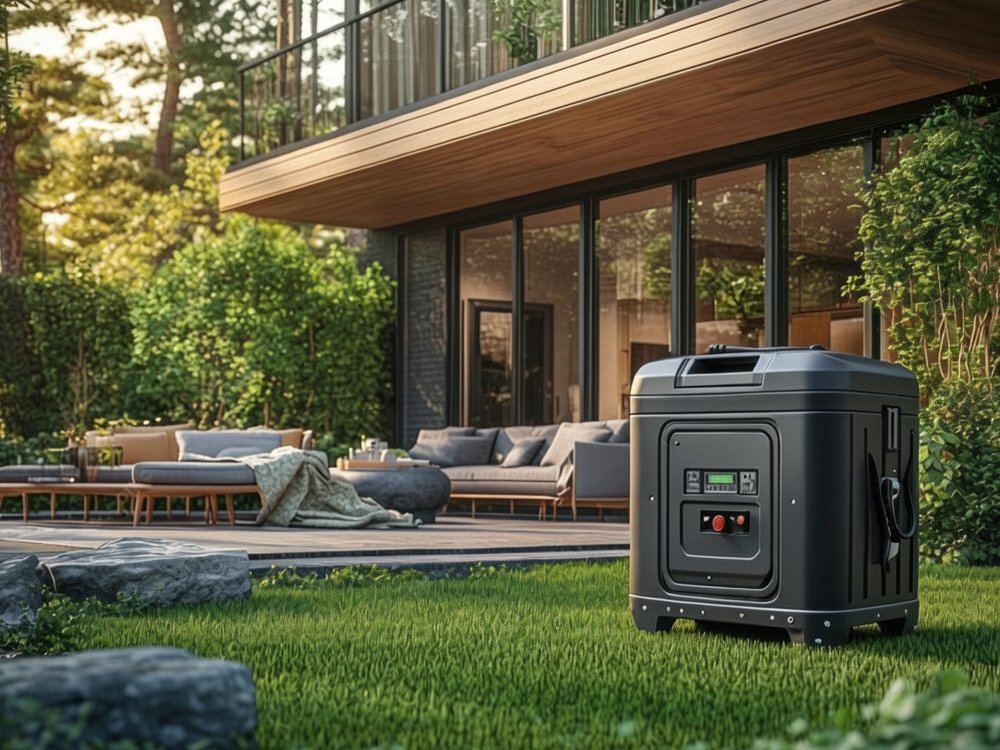
Whole home generator installation gives peace of mind for suburban homeowners, but the process can be confusing and expensive without clear cost information or a solid step-by-step plan. This guide breaks down exact installed prices by generator brand, size, and fuel, plus gives you a proven blueprint for sizing, automatic transfer switch selection, and whole home generator installation becomes much easier when homeowners understand sizing, fuel requirements, transfer switch options, and long-term maintenance costs before starting the project.
Key Takeaways
- Expect professionally Whole home generator installation costs in 2026 to range $7,800 to $13,500+, varying with brand, size, fuel type, and local labor rates.
- Most cost overruns and post-install issues trace back to unclear sizing, inadequate transfer-switch selection, poor fuel logistics, and avoidable wiring mistakes.
- Get apples-to-apples quotes by demanding a line-item breakdown (unit, install, ATS, pad, fuel, permits) and ensure future expansion, noise, and fuel capacity are addressed up front.
- Professional whole home generator installation helps prevent electrical issues, fuel supply problems, and expensive warranty-related mistakes after power outages.
- Quick cost snapshot — what to budget for a whole home generator installation
- Step-by-step guide to whole home generator installation
- Advanced analysis and common pitfalls in whole home generator installation
- Conclusion — Make your backup power investment count
- FAQs
Quick cost snapshot — what to budget for a whole home generator installation
The final price of whole home generator installation depends heavily on generator capacity, fuel source, transfer switch complexity, and local permit requirements. For homeowners planning a permanent backup generator, installed costs (including unit, automatic transfer switch (ATS), permits, fuel/plumbing, site prep, and labor) will land between $7,800 and $13,500 in 2026. This covers a typical 10 kW to 20 kW air-cooled standby generator for a 2,500 sq ft home, adequate for whole-house or essential circuit coverage.
For example, a standard 10 kW Generac on natural gas averages about $8,000 installed—split as $3,000 for the unit and $5,000 for installation. Kohler and larger capacities can push totals up to $14,000 or more. Bigger properties or higher peak loads will need larger units, with 20 kW+ running $11,500 to $14,500+ installed. Always budget 10-20% extra for site-specific needs (panel upgrades, long gas runs, complex transfer-switch installation, remote monitoring setup, or surprise permit costs).
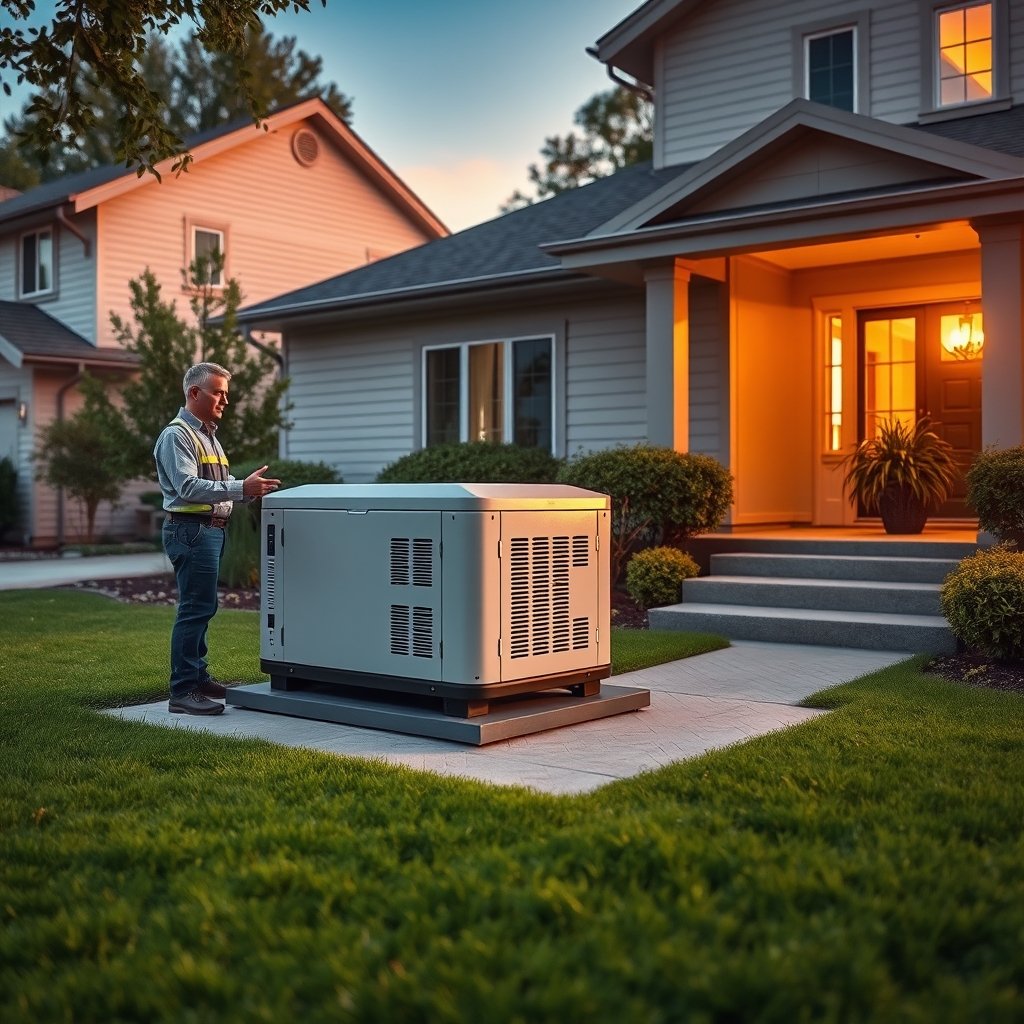
Installed prices are estimates. For precise numbers, request detailed quotes from certified local dealers and compare their breakdowns for transparency. For price ranges and comparison charts, see recent reports from HomeGuide and Generac Power Systems.
Step-by-step guide to whole home generator installation
Turnkey whole home generator installation involves pre-planning, accurate sizing, professional transfer switch integration, fuel logistics, and post-install commissioning. Here’s how to ensure you get a reliable system and a properly planned whole home generator installation also improves long-term reliability during extended outages and severe weather events:
- Accurate Sizing: List critical and sensitive circuits (refrigerator, HVAC, sump, WiFi, medical equipment, kitchen outlets). For each, check the appliance label for running and starting (surge) wattages. Example for a 2,500 sq ft home:
- Furnace: 1,200W running, 2,350W start
- Refrigerator: 700W running, 2,200W start
- Sump Pump: 900W running, 1,300W start
- WiFi/network: 90W
- Lights/outlets: 400W per circuit (3 circuits = 1,200W)
Add largest surge (not all surges overlap):
Total running load: 1,200 + 700 + 900 + 90 + 1,200 = 4,090W
Add largest single surge: 2,350 (furnace start) = 6,440W (rounded up for margin = 7,000W / 7 kW). For whole-house comfort, most urban homes need 10-14 kW units.
Include future expansion: Add 20% for extra loads or later upgrades, so choose at least a 10 kW model for this home.
Calculate fuel tank run-time: A 10 kW generator at half-load uses 1.2-1.7 gal/hr propane or 100-125 cu ft/hr natural gas; for a 72-hour outage, size propane tank accordingly (generally 250-500 gallons). - Site Survey: Your dealer visits and spots location for generator, checks code clearances (usually 5 ft from openings/vents), and evaluates placement for noise, aesthetics, and fuel access. A professional site evaluation is one of the most important parts of whole home generator installation because placement affects safety, airflow, and noise levels.
- Permitting: Dealer initiates local electrical, gas, and zoning permits. Costs vary by state or city, from $150 up to $900. Allow 1-2 weeks for approvals; longer in dense municipalities.
- Fuel & Pad Prep: concrete pad poured/leveled; natural gas line or propane tank sized and installed. Long runs or buried lines add cost and permit time.
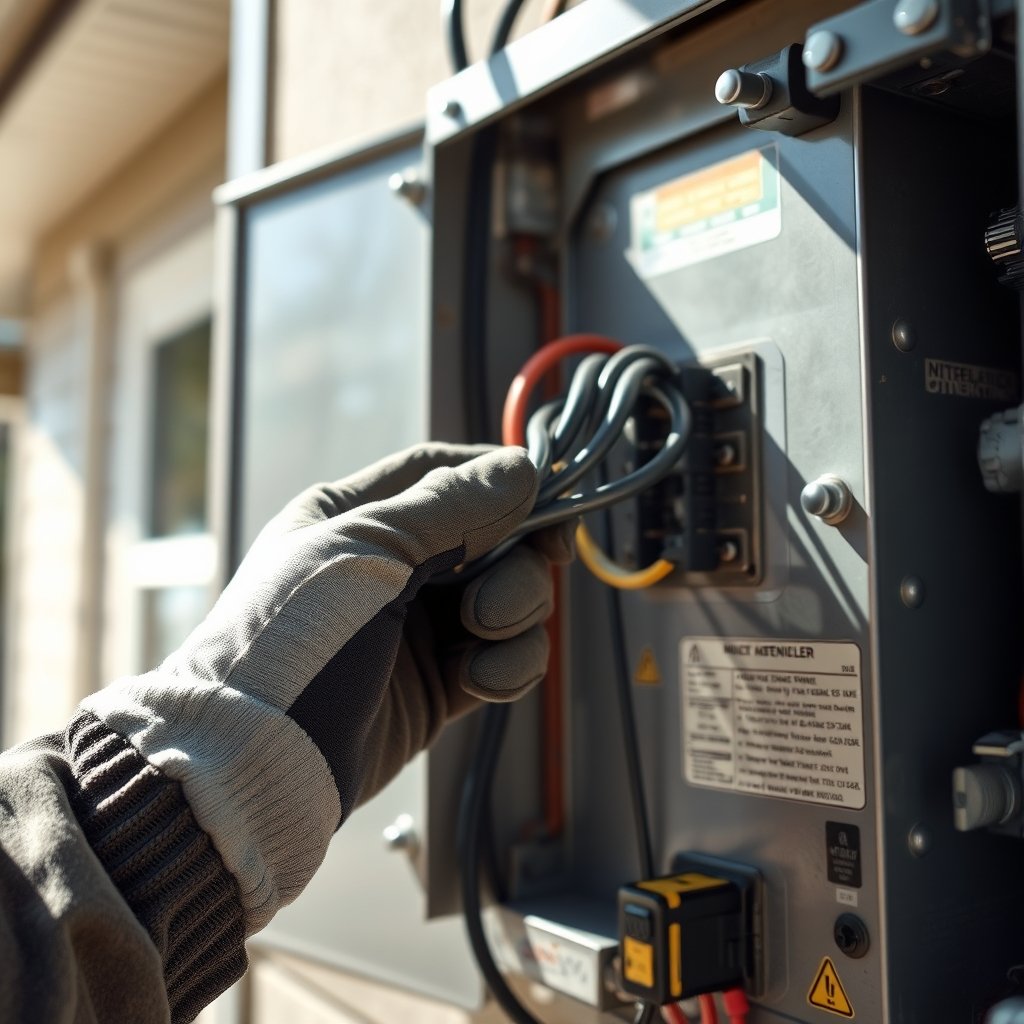
- Transfer Switch Installation: Pro installer fits and wires ATS (automatic transfer switch) between main panel and generator. Complexity increases with subpanels, older homes, or large properties.
- Start-up & Commissioning: Full electrical inspection, load bank test (simulate outage), programming of remote monitoring, and homeowner walk-through.
- Ongoing Maintenance, Warranty & Service: Sign up for annual service contract. Confirm what’s covered (oil changes, load test, monitoring, phone support, batteries).
Installed Price Examples By Brand & Size (2026)
| Brand | Size (kW) | Fuel | Unit Cost | Installed Total | Comments |
|---|---|---|---|---|---|
| Generac | 10 kW | Natural Gas | $3,000 | $8,000 | Most common, good for up to 2,800 sq ft. |
| Generac | 10 kW | Propane | $3,000 | $7,800 | Slightly less for propane, smaller tank may limit run-time. |
| Kohler | 10 kW | Natural Gas | $3,800 | $9,300 | Quieter, upscale brand, includes OnCue remote. |
| Generac | 20 kW | Natural Gas | $4,500 | $11,500–$13,500 | For homes needing dual HVAC or whole-house coverage. |
| Kohler | 20 kW | Natural Gas | $5,000 | $12,000–$14,500 | Higher-end, lower noise, slightly higher install cost. |
| Generac/Kohler | 30 kW+ | Natural Gas/Propane | $9,800+ | $15,000–$18,000+ | Heavy load, luxury or small commercial coverage. |
Downloadable Pre-Installation Checklist & Installer Vetting Script
Download 1-Page Checklist + 10-Question Installer Script (PDF)
Advanced analysis and common pitfalls in Whole home generator installation
Failing to address transfer switch compatibility, local electrical code bonding, true load calculation, and fuel storage logistics leads to most warranty calls and user frustration.
Brand Comparison: Generac vs. Kohler
| Feature | Generac | Kohler |
|---|---|---|
| Best For | Budget, mainstream, broad range (10–28 kW air-cooled) | Quiet operation, high-end, heavy-load (10–48 kW liquid-cooled) |
| Remote Monitoring | Mobile Link™ (WiFi/cellular app) | OnCue Plus™ (advanced dashboard, alerts) |
| Runtime & Fuel Use | Similar at same kW; plan for 1.2–1.7 gal/hr at half load/propane | N/A for air-cooled; better at very high loads (liquid-cooled) |
| Average Installed 10 kW | $8,000 (nat. gas) | $9,300 (nat. gas) |
| Noise (dBA) | 62-67 | 60-63 (quieter) |
| Warranty | 5-year limited | 5-7 years (premium models) |
Fuel Choice: Propane vs. Natural Gas
- Natural Gas: Continuous supply—no tank refilling—but high outage, earthquake, or disaster risk areas may lose gas service. Slightly higher install if gas line runs are long.
- Propane: Stored on-site in above or underground tank. Must size for 48-72 hour outage (250-500 gal typical); missing this is a top post-install complaint. Refills can be tricky in regional emergencies; monitor level sensors.
- Operational Cost: Propane costs more per hour but is independent of utility grid. Both fuels’ installed prices are similar—e.g., 10 kW Generac: nat gas ≈ $8,000, propane ≈ $7,800.
Transfer Switch Selection & Pitfalls
Incorrect transfer switch sizing is one of the leading causes of Whole home generator installation failures and inspection delays.
- Manual vs. Automatic Transfer Switches (ATS): ATS is essential for truly automatic backup; manual switches are risky and not code-compliant for whole-home installs.
- Open vs. Closed Transition: Open transition—standard ATS with brief blackout during switch; closed (more expensive) gives seamless transfer (needed for sensitive loads).
- 2-Pole vs. 3-Pole Switches: Many homes need 3-pole ATS for split-phase service; 2-pole can create grounding or neutral/bonding code errors (frequent inspector red-flag).
- Load Shedding & Prioritization: Consider ATS with load-shedding modules (smart ensures HVAC or well pumps cycle, never overloading the unit).
- Wiring Errors: Most warranty claims and post-install visits come from ATS miswiring—wrong phase/neutral, open ground, or skipped bonding checks.
Most Common Post-Install Complaints & Prevention Strategies
- Excessive Noise: Always confirm dBA ratings and pad location—never assume “whisper quiet.” Ask dealer for on-site noise demonstration.
- High Fuel Consumption: Demand written estimates for run-time on your actual essential loads; oversizing wastes fuel, undersizing risks brownouts.
- Missing Accessories: Specify batteries, WiFi/cellular modules, communication cables in contract. Insist all required startup hardware is included.
- Permitting/Inspection Delays: Build in buffer time for city approval; clarify out-of-scope trenching or panel upgrades before contract.
- Monitoring/App Setup Issues: Run setup on commissioning day, with dealer present; get step-by-step login instructions.
Conclusion — Make your backup power investment count
Choosing a whole home generator installation is a big investment, but you can avoid the common pitfalls that cost homeowners thousands. Insist on clear, itemized quotes, calculate your true power needs, and get transfer switch specs confirmed before signing a contract. Sky-high permits, surprise wiring, or undersized tanks are easy to avoid with the right planning and the downloadable checklist linked above. Start by requesting at least three detailed bids—then use the step-by-step sizing and questioning script to ensure your new generator delivers reliability through every outage.
Careful planning and professional whole home generator installation ensure your backup power system performs safely and efficiently for many years.
Ready to secure your home’s comfort? Schedule a free site survey with a certified dealer now, or download the full checklist to vet your installer and protect your investment.
FAQs
How much does whole home generator installation cost in 2026?
Installed costs average $7,800 to $13,500, depending on your home size, power needs, brand (Generac vs. Kohler), and local site specifics. Always request line-item bids to compare.
Is natural gas or propane better for a standby generator?
Natural gas offers unlimited runtime if the grid is up, but propane provides independent backup if gas service may fail. Both fuels yield similar installed costs at 10–20 kW size; make sure your propane tank is sized for a multi-day outage.
What size backup generator do I need for my house?
Use a generator sizing calculator: add your critical circuits’ running and surge wattages, add 20% margin, and size fuel for intended runtime. Most 2,000 to 3,000 sq ft homes are well covered by a 10–20 kW unit.
What’s the most common installation mistake?
Improper transfer switch wiring—neutral/grounding errors and under-spec load handling—accounts for most failures. Always use a licensed electrician and review wiring diagrams and code requirements before install day.
How do I get the most accurate generator installation quote?
Ask for a breakdown: generator unit, ATS, prep/pad, fuel hookup, permits, accessory fees, and labor hours. Compare at least three certified dealers using the downloadable installer script above.

[…] upgrades stack up? Compare the costs and savings potential with heat pump water heater rebates or whole home generator installation […]