

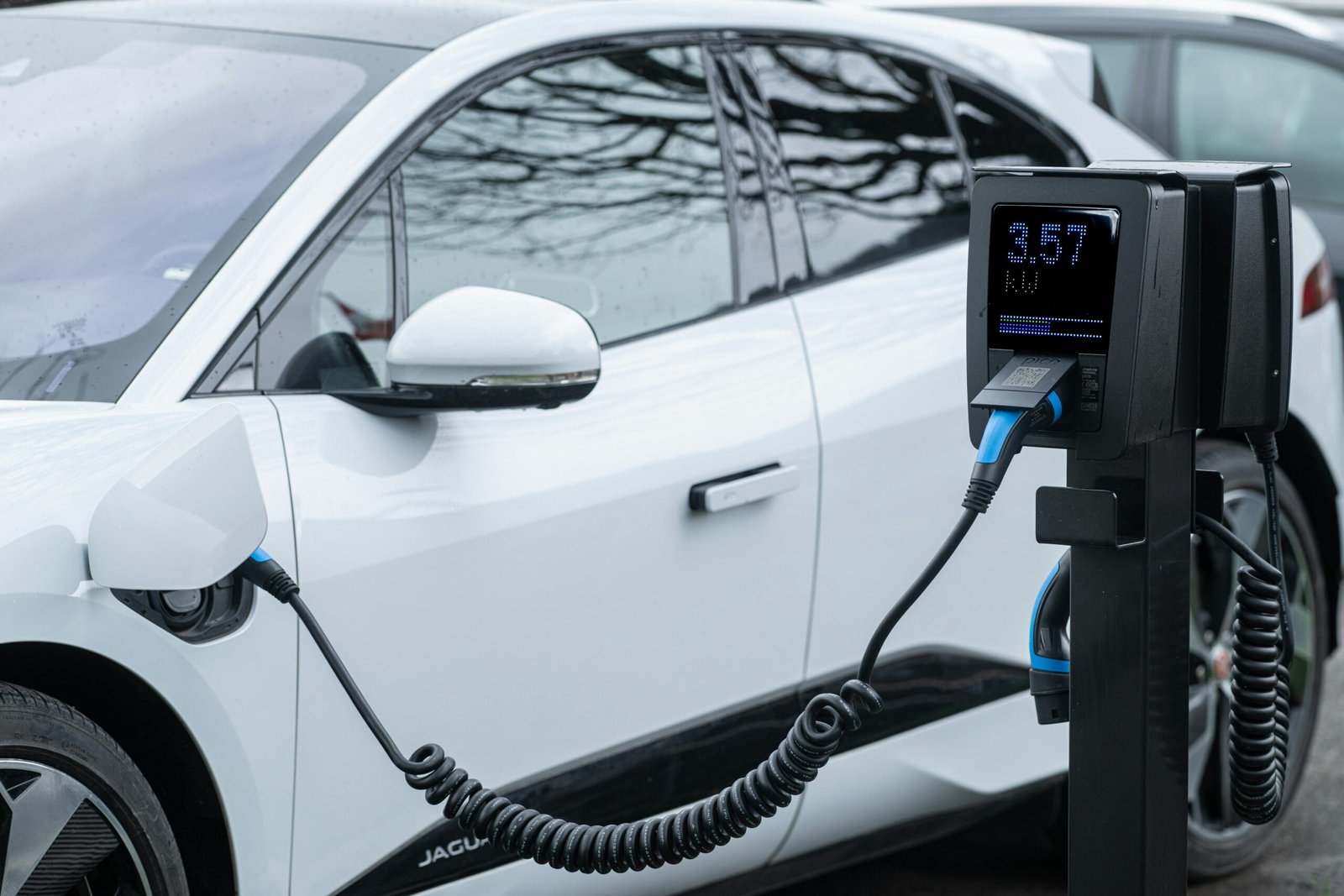
EV charger home installation is rapidly becoming a must-have for homeowners who just invested in an electric car, but what will it really cost you in 2025, and how can you avoid the most frequent and expensive headaches? This guide cuts through sales fluff and horror stories to give you the real numbers, common pitfalls, and actionable tactics to cut your EV charger costs and timeline—right down to the city you call home.
Key Takeaways
- Most homeowners will spend between $1,200 and $3,000 for a Level 2 EV charger home installation in 2026, but straightforward jobs can be under $1,500 and certain metros run far higher.
- Panel upgrades add $1,500–$4,000 and are the single biggest wildcard—know your electrical service before you get quotes.
- Permits, quote confusion, and sneaky add-on fees cause the most pain—asking the right questions upfront avoids surprises.
- A properly planned EV charger home installation can reduce long-term charging costs and prevent expensive electrical upgrades later.
- 2026 cost reality: what most homeowners actually pay (by metro)
- How panel upgrades change the math (when you need one and what it costs)
- Permit & timeline realities: what installers rarely advertise
- Typical installer quote breakdown — what to expect in the line items
- Common surprises and user complaints — how to avoid them
- ChargePoint vs Tesla home chargers — pros & cons from real users (2025 models)
- When a 240V outlet (NEMA) or a plug option makes sense
- Incentives, rebates and the EV charger tax credit — what to factor into your bottom line
- Best home EV chargers 2025 — recommended picks by use case
- Practical next steps & checklist for your electrician quote
- FAQ
2026 cost reality: what most homeowners actually pay (by metro)
The real-world range for Level 2 EV charger installation cost in 2026 is wide, with labor, materials, permits, and even the city you live in all making a big difference. In most US metros, the total EV charger home installation—meaning charger hardware, electrical work, and permitting—lands between $1,200 and $3,000 before any incentives. Garage installs with an easy panel connection and short wire run are commonly under $1,500. But in cities like New York, Los Angeles, and Seattle, expect $1,600–$3,500, largely because electrician rates are $130–$170 per hour and permit fees often reach $300+.
Chicago, Dallas, and Denver see tighter ranges of $1,200–$2,200, while the Pacific Northwest and Mountain West sit around $1,300–$2,800. Need a panel upgrade? Those projects jump above $4,000 fast, especially for older homes or when outdoor trenching/weatherproofing is required. See a quote way outside these bands? It’s time to ask tough questions—or walk away.
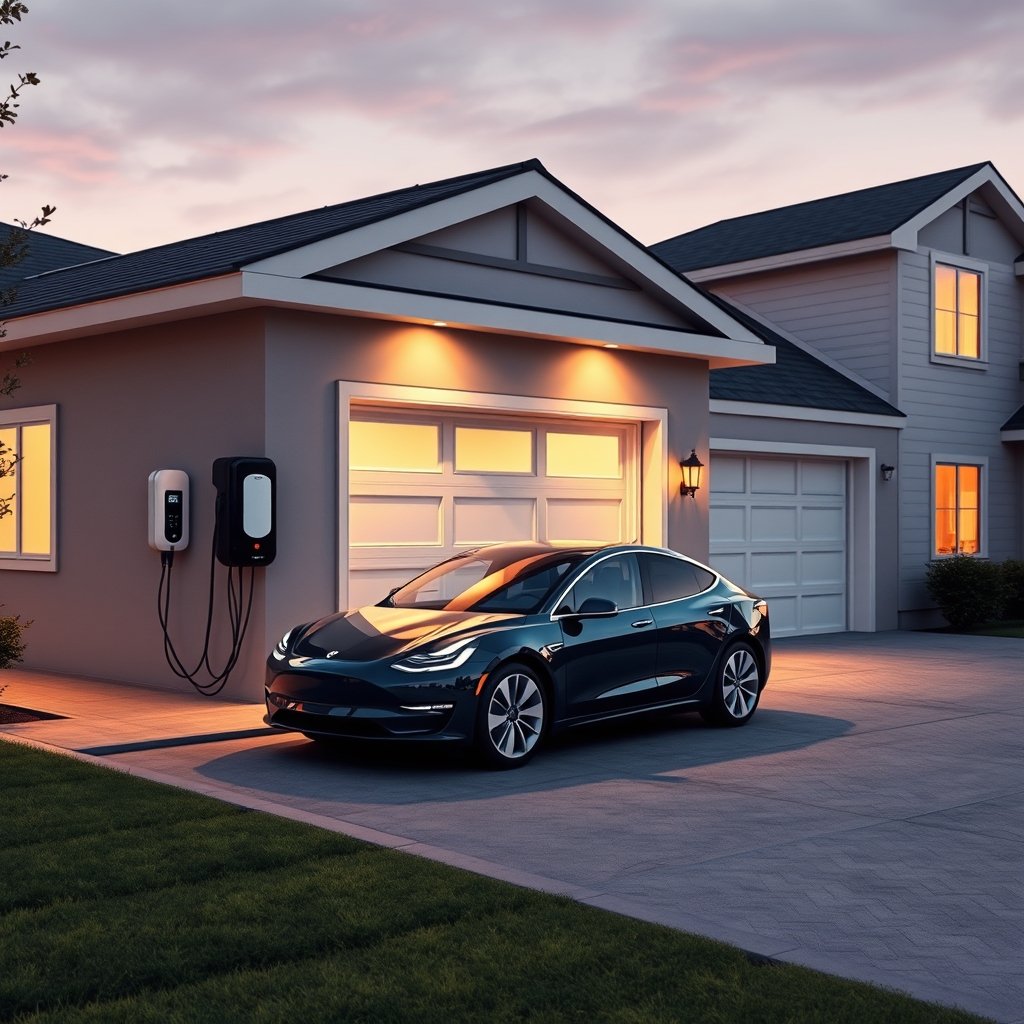
Want to see how home upgrades stack up? Compare the costs and savings potential with heat pump water heater rebates or whole home generator installation projects.
Sources: NeoCharge, Elink Power, Qmerit
How panel upgrades change the math (when you need one and what it costs)
Nothing torpedoes your EV charger home installation budget faster than a surprise panel upgrade. Here’s how it happens: If your home’s electrical panel is limited (common in pre-1980s homes with 100 A service or houses with big kitchens/HVAC loads), running a 40–50 amp circuit for a Level 2 charger may overload the system. In these cases, you face a panel upgrade (raising the power supply capacity), a subpanel (for nearby load management), or creative “smart splitters” workarounds.
A full panel upgrade typically adds $1,500–$4,000 (average around $2,200) and can push your total project past $4,000—especially in older urban homes or those with buried service lines. Subpanels are sometimes $650–$2,000. Know your panel rating and breaker availability before you begin, or you risk upcharges and headaches.
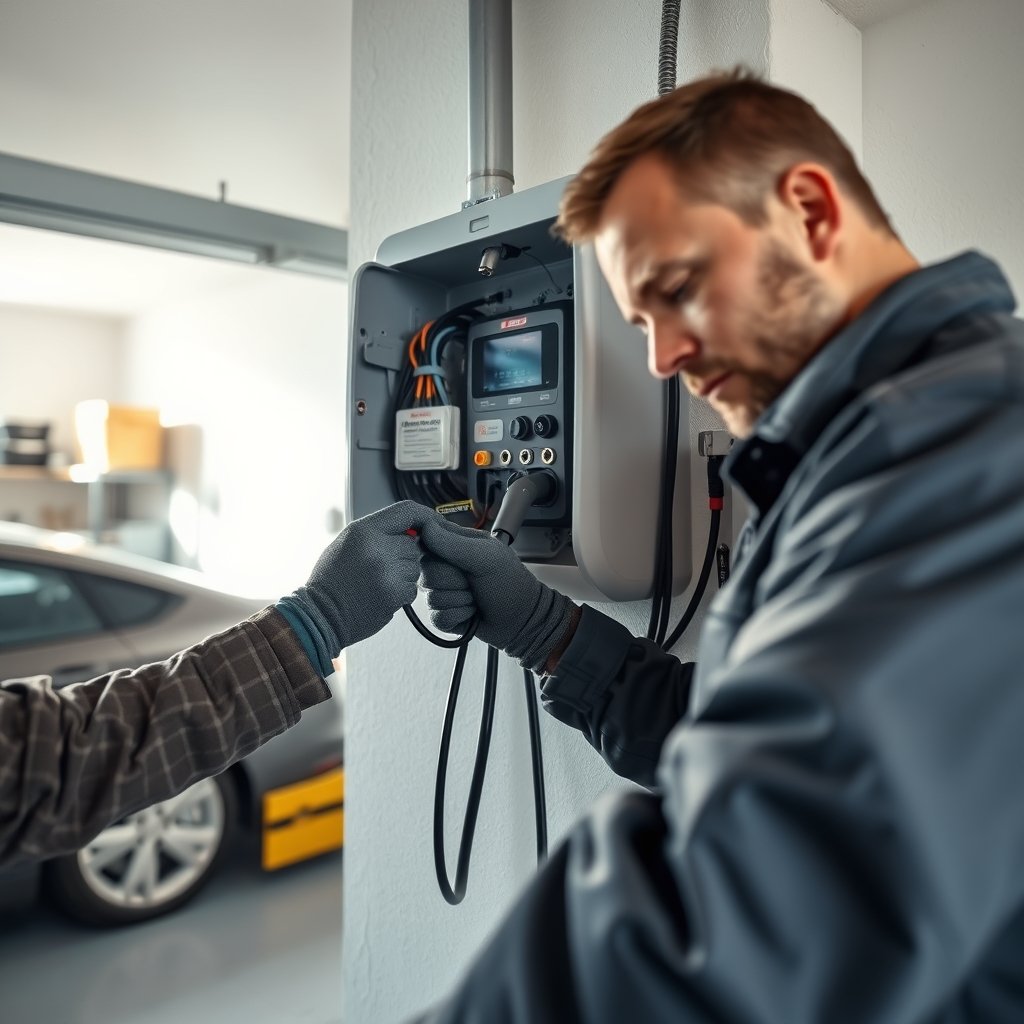
For more on major electrical upgrades and how they drive project costs, check out garage conversion ADU costs or see Prairie Electric for regional electrical pricing details.
Permit & timeline realities: what installers rarely advertise
Permit requirements for EV charger home installation vary wildly by city or county. Some places require a simple electrical permit (often $100–$300+, sometimes more), while others add site plans, load studies, or inspections. Here’s the reality: permit delays are the hidden killer of fast installs. In high-demand metros, electricians charge $130–$170/hr, and permit processing can easily add $100–$800 (labor + permit fee) and stretch timelines by weeks.
Most installs are one day when the permit is ready and the panel has capacity, but you should expect 2–4 weeks for the whole process in busy areas—especially in spring or summer when both electricians and inspectors are booked. Always confirm if your installer will handle permits and scheduling. If not, budget extra time and hassle. For projects with outdoor runs or detached garages, expect permit complexity and bigger bills.
Planning other home improvements? See how permit needs compare for projects like aging in place bathroom remodels.
Sources: MTRuhl
Typical installer quote breakdown — what to expect in the line items
To avoid “why is my quote so high?” shock, here’s what should appear in your Level 2 EV charger installation cost breakdown in 2025:
- Labor: Usually quoted as a flat fee ($400–$1,800), or hourly ($130–$170/hr in top metros). Easy, in-garage installs are lowest, complex outdoor/trenching jobs much higher.
- Materials: Conduit/wiring (priced per foot), junction boxes, weatherproofing supplies, fasteners.
- Trenching/boring: For detached garages or outdoor chargers. May add $500–$1,000+.
- Permit/inspection fees: $100–$300+ (varies by city/county).
- Panel work: See above section — big wild card.
- Charger hardware: Ranges from $350–$900+ depending on model and features.
“Standard” installs—where the panel and charger are co-located and no obstacles exist—typically run $1,700 total. If your quote runs much higher, compare line items side by side and ask for explanation of every premium charge or variable (such as size of wire, brand differences, warranty, etc).
Planning to maximize your home improvement ROI? See where energy upgrades like spray foam insulation fit in cost-wise.
Sources: Elink Power, Qmerit
Common surprises and user complaints — how to avoid them
Real-world homeowners report a short but brutal list of EV charger permit requirements headaches and upgrade uncertainties. Here are the top problems to watch:
| Common Complaint | How to Avoid |
|---|---|
| Permit delays add weeks and $100–$800 | Ask if the installer handles all permit applications and includes permit fees in quote. Get a timeline in writing. |
| Hidden labor/material charges after job starts | Request fixed-price “not to exceed” quote and detailed materials/labor schedule up front. |
| Confusion over EV charger panel upgrade necessity vs. splitters | Require an on-site load calculation or ask about “smart splitter” options for borderline panels. |
| Difficulty comparing quotes (markup, warranty, hourly rates) | Demand a line-item breakdown, including electrician’s hourly rate and charger hardware markup percentage. |
Many of these lessons apply to any major home upgrade project. If you’re planning for multi-generational needs, review the vital permitting tips at multi-generational home addition.
ChargePoint vs Tesla home chargers — pros & cons from real users (2025 models)
Choosing between the ChargePoint Home Flex and Tesla Wall Connector will drive both your installation cost and your EV experience. Here’s a quick breakdown based on real user feedback and 2025 model features:
| Feature | ChargePoint Home Flex | Tesla Wall Connector |
|---|---|---|
| Plug type | Universal J1772 | Tesla (adapters needed for non-Tesla) |
| Max amperage | 50 A (adjustable) | 48 A (hardwired) |
| Cord Length | 23 ft | 24 ft |
| Smart features | Wi-Fi, scheduling, energy monitoring | Tesla app integration |
| Hardware cost | $600–$900 (often $150–$300 more than Tesla) | $350–$500 for Tesla owners |
| Installation complexity | Plug-in or hardwired | Hardwired only |
| Who should pick? | Multi-brand or rental households | Tesla-first, dedicated parking |
Sources: Three Crowns Electric, IYILO
When a 240V outlet (NEMA) or a plug option makes sense
If your home already has a 240V outlet (NEMA 14-50 or 6-50) outlet—often found in garages for old dryers or welders—you can drop your EV charger home installation cost into the $300–$700 range with a “plug-in” unit or a Smart Splitter (which allows sharing an existing circuit safely). These setups are especially valuable for renters or homeowners who want to minimize invasive electrical work, avoid permits, or retain flexibility for future moves.
Hardwired Level 2 chargers are more secure and weather-tough—necessary for outdoor setups or maximizing amperage—but typically cost $850–$1,800 to install. Always check that your car and charger are compatible with your planned setup, and remember: plug-in options make sense only if you rarely need the full rated amperage for overnight charging.
In need of quick energy upgrade wins? See how spray foam insulation compares for ROI.
Sources: NeoCharge
Incentives, rebates and the EV charger tax credit — what to factor into your bottom line
The price ranges above—$1,200–$3,000—are all before federal, state, or utility incentives. For 2025, the US federal EV charger tax credit can cover up to 30% of your total install cost (hardware + labor + permit), up to $1,000 max for residential installs (consult your CPA for eligibility). Many states and utilities stack additional rebates, which can drop your out-of-pocket to the $800–$2,000 zone for most jobs. Document every quote, permit, and your charger invoice to streamline your rebate and tax credit applications.
Upgrading multiple parts of your home? Compare overlapping incentive rules with garage conversion ADU projects.
Sources: EcoFlow US
Best home EV chargers 2025 — recommended picks by use case
The “best” EV charger for your home depends on your cars, your budget, and whether you plan to move in the next few years. For Tesla-only households on a budget, the Tesla Wall Connector remains the cost-efficient choice for fast charging with the lowest hardware spend. For families with a mix of Tesla and non-Tesla vehicles, or for renters, the ChargePoint Home Flex delivers maximum compatibility, plug-in flexibility (for moving or landlord requirements), and robust app features for energy tracking.
- Tesla-only: Tesla Wall Connector (48 A, ~24 ft cord, seamless with Tesla app)
- Mixed-brand: ChargePoint Home Flex (universal J1772, up to 50 A, Wi-Fi enabled)
- Renters or anyone wanting plug-and-play install: Plug-in ChargePoint or Wallbox plus Smart Splitter
- Frugal buyers: Watch for utility-offered rebates that include free or discounted lower-amp smart chargers
For more advice on maximizing installation value for multi-year decisions, see the tips in our whole home generator guide.
Practical next steps & checklist for your electrician quote
Avoid hundreds in surprise charges and weeks of delay with this practical pre-quote checklist for EV charger home installation:
- Take clear photos of your panel’s label and breaker slots; note if you have a 240V outlet in garage/driveway.
- List any large appliances that run at the same time as your charger (HVAC, oven, etc).
- Measure how far (in feet, following the wall/ceiling) your panel is from the proposed charger location.
- Decide if you want a hardwired or plug-in unit (consider future moves and local permit rules).
- Gather 2–3 competing quotes—ask for a “not to exceed” price with separate lines for hardware, labor, permits, and panel work.
- Collect written answers to these 6 must-ask questions:
- Who pulls and pays for the permit?
- Will you do a formal panel load study before bidding panel upgrades?
- How many linear feet of conduit/wire are included?
- Is surge protection or weatherproofing required/recommended?
- What warranty is offered on labor and hardware?
- What is your hourly rate (if not flat-fee), and are permit/inspection visits separately billed?
Simple installs with a modern panel and short wiring should stay under $1,500 including permits. Expect some electricians to quote $130–$170/hr in high-demand metros and permit fees often to top $300. Always request clarity to avoid the most common pitfalls.
Many of these checklist items also help if you’re planning improvements like multi-generational home additions.
FAQ
How much does a typical Level 2 EV charger home installation cost in 2025?
Most homeowners pay between $1,200 and $3,000 for a turnkey install before incentives. Simple setups can be under $1,500, while jobs in expensive cities with permit hassles or panel upgrades can hit $4,000+.
Do I always need a panel upgrade for a Level 2 EV charger?
No. If your main panel has the amperage and space, a panel upgrade isn’t needed. Many mid-century homes with 100 A service or heavy electric loads will need upgrades—but smart splitters or subpanels are viable, cheaper alternatives for some layouts.
How long does EV charger home installation take?
Installation itself is usually 3–6 hours, but scheduling and permitting often stretches the total process to 1–3 weeks. In some markets, permitting alone takes multiple weeks.
Are plug-in EV charger options safe and reliable?
Yes, if you use a properly rated NEMA outlet on a dedicated circuit and never exceed your panel’s allowed amperage. For frequent, high-amp (40+ A) charging, hardwired is safest and most future-proof.
What documentation do I need for incentives or EV charger tax credits?
Keep all contractor bids, proof of payment, permit receipts, and a detailed invoice/breakdown of labor and materials. These are required for most state, utility, and federal tax credit/rebate applications.