


Dog probiotic supplement recommendations have transformed in 2024—new veterinary research shows strain selection, label scrutiny, and realistic vet guidance are critical for solving your dog’s digestive issues, not just following influencer fads.
Key Takeaways
- Strain-specific, multi-strain formulations with clear evidence offer the best results for your dog’s gut health in 2024.
- Label literacy is essential—always check for strain IDs, viable CFUs at end-of-life, and minimal fillers before buying.
- Vet input is crucial, especially for dogs with chronic issues, on antibiotics, or breeds with sensitive digestion.
- Why probiotics matter for your dog’s gut health
- 2024 veterinary-led evidence: strain-specific benefits you can act on
- Which strains to prioritize (and which to be cautious about)
- Common formulation problems & red flags when shopping (chews, powders, pastes)
- Match the probiotic to the problem: diarrhea, weight, or daily maintenance
- Dosing, CFUs, label literacy and format considerations
- Safety, interactions, and the limitations in current research
- Quick vet checklist & shopping checklist (what to ask and what to buy)
- FAQ — short answers to the top informational gaps owners still have
- Bottom line and 7-point action plan for the owner (closing)
Why probiotics matter for your dog’s gut health
Probiotics for dogs gut health work by modulating the gut microbiome, reducing intestinal inflammation, boosting digestion, and strengthening the gut barrier. These changes can improve nutrient absorption, reduce stool problems, and optimize immune function. Recent reviews in 2024 confirm that multi-strain formulations—especially those with Lactobacillus, Bifidobacterium, Enterococcus, and Saccharomyces boulardii—are most effective for reducing inflammation and supporting the mucosal barrier.[3]
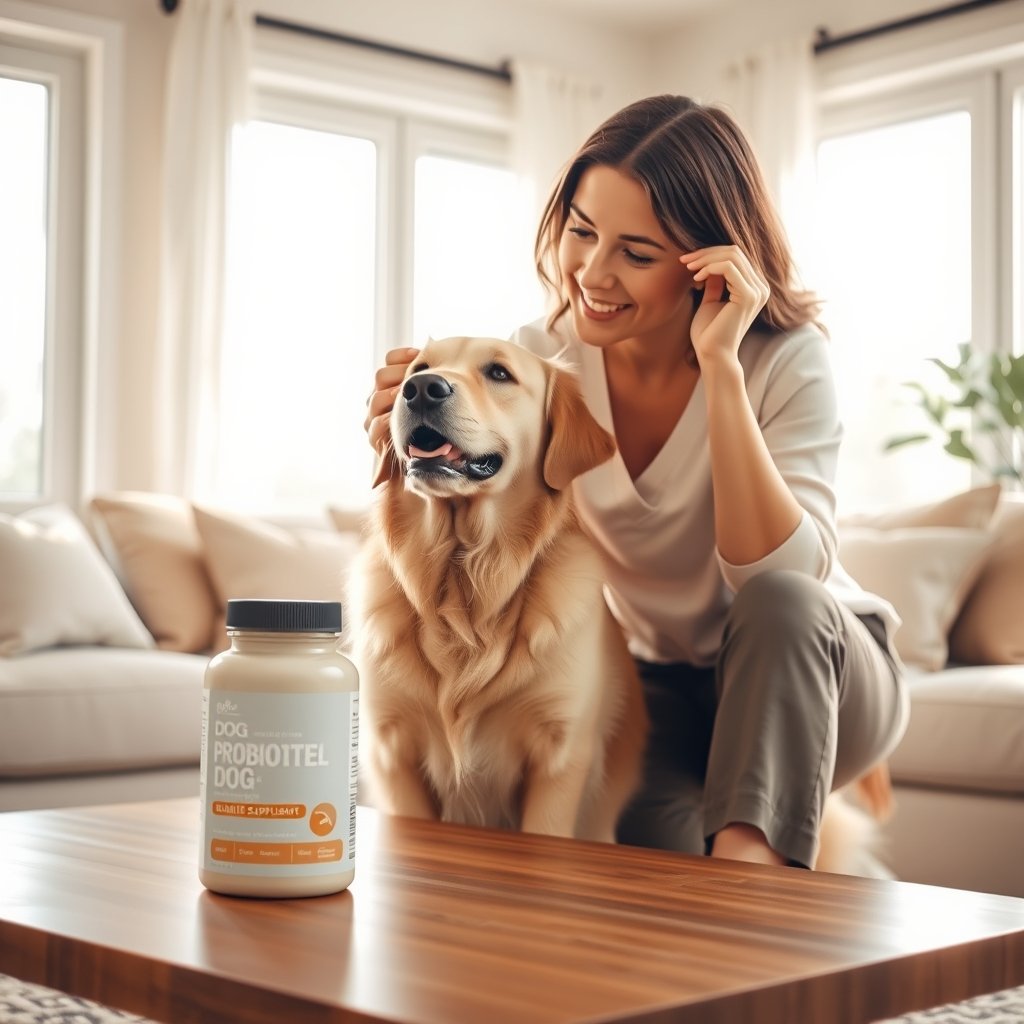
Poor gut health is now understood as a root cause of recurrent diarrhea, poor stool quality, chronic loose stools after antibiotics, and even weight gain. targeting the right strains can improve comfort, stool formation, and long-term wellness—if you choose wisely.
2024 veterinary-led evidence: strain-specific benefits you can act on
Not all dog probiotic supplement options are equal. This year’s clinical trials reveal that the best probiotic for dogs is always strain- and use-case specific. For instance:
- Weight Management: A 2024 controlled trial found that Bifidobacterium lactis (IDCC 4301) combined with Enterococcus faecium (IDCC 2102) significantly improved metabolism and promoted weight loss in dogs, even with high-fat diets.[1]
- Stool & Gut Microbial Balance: Another study evaluated live and heat-treated Bifidobacterium animalis subsp. lactis (CECT 8145, known as BPL1™) and reported measurable improvements in stool quality and gut microbial diversity.[4]
- Multi-strain Formulas: Meta-analyses in 2024 show that combinations of Lactobacillus, Bifidobacterium, Enterococcus, and Saccharomyces boulardii reduce inflammation and reinforce intestinal barrier integrity.[5]
These results stress the importance of visible strain labeling and evidence for included strains, not just generic marketing claims.

- Check reviews for your product’s vet-referenced strains (e.g., B. lactis, E. faecium, BPL1™) and verify actual clinical outcomes—not just “flavors dogs love.”
- Bookmark credible resources like PetMD and WebMD for detailed vet commentary on ingredient choices.
Which strains to prioritize (and which to be cautious about)
The best probiotic for dogs consistently features:
- Enterococcus faecium (e.g., NCIMB 30183/10415): Robust evidence for gut support and safe daily use.
- Bifidobacterium species: Multiple strains support microbiome diversity and are well-tolerated.
- Saccharomyces boulardii: A non-pathogenic yeast, effective for acute diarrhea and post-antibiotic support.
- Lactobacillus (when balanced by other strains): Useful for barrier support, but not as standalone in high doses.
- Bacillus subtilis: Stable in powders and chews; bolsters immunity and digestion.
Be cautious with:
- Lactobacillus-dominant blends: Some dogs experience increased gas or loose stool.
- Yeast-based products (high Saccharomyces): May cause bloating if not well-balanced.
- Unlabeled or proprietary “blend” products—these often lack evidence and consistency.
Industry and pet-owner feedback consistently place Enterococcus faecium and Bifidobacterium strains at the top for tolerance and benefit, while negative reviews cite Lactobacillus-only chews and dog probiotic chews heavy on yeast as more likely to cause upsets. See more advice in our related guide to collagen sticks for dogs to support joint health safely alongside gut supplements.
Common formulation problems & red flags when shopping (chews, powders, pastes)
Walking the supplement aisle or scrolling through bestseller pages? Look for these red flags—each undermines effectiveness or compliance:
- Low viable counts: Some chews and powders contain minimal live microbes; always check for ≥1 billion CFUs (preferably more, strain-specific) at end-of-life.
- Missing strain IDs: Labels should detail strain numbers—not just “Lactobacillus spp.”
- Excessive fillers: Maltodextrin, corn syrup, and artificial sweeteners/additives dilute effect and can cause digestive upset.
- Poor palatability: Strong flavors or hard textures result in refusal, especially with chews, powders, pastes.
- Unclear/inconsistent dosing: “Per chew” should mean “per day”—not just “as needed.”
Negative consumer reviews on dog probiotic chews and dog gut health powder products routinely mention these problems.
Want to ensure you invest wisely in long-term home upgrades? Consider reading our garage conversion ADU ROI guide for vetted tips and cautionary notes on product red flags in home improvements, too.
Format-wise:
- Powders: May offer higher dose flexibility and better viability, but require careful mixing for full consumption.
- Chews: Increase compliance but may have more fillers and less label transparency.
- Pastes: Ideal for acute GI issues, but check for sugar or artificial flavors.
Match the probiotic to the problem: diarrhea, weight, or daily maintenance
Effective supplementation is condition-specific:
| Condition | Recommended Strains/Formulation | Notes |
|---|---|---|
| Acute or antibiotic-associated diarrhea | Saccharomyces boulardii, Enterococcus faecium | Start as soon as diarrhea begins, stop if condition worsens |
| Weight management | Bifidobacterium lactis (IDCC 4301) + Enterococcus faecium (IDCC 2102) | Shown to improve metabolism and weight loss in 2024 trial |
| Daily maintenance/gut support | Multi-strain products with Bifidobacterium, Enterococcus, Bacillus | Monitor for at least 2–4 weeks for stool response |
For active gut distress, starting a dog probiotic for diarrhea with Saccharomyces boulardii and Enterococcus faecium may bring faster relief than generic blends.
For ongoing support, choose a daily probiotic dog supplement based on your dog’s size, age, and breed sensitivities.
Note: Probiotics should not be given at the exact same time as antibiotics. Space doses out by several hours for best results.
For more daily upgrade checklists, including living arrangements for families, see our multi-generational home addition guide.
Dosing, CFUs, label literacy and format considerations
Why do CFUs and shelf-life “end-of-life” counts matter? Because live microbes degrade over months. A label should disclose both the strain(s) and viable CFUs at end-of-life on the label—not just at manufacture. The lack of strain-specific efficacy data tied to exact CFU dosages is the top info gap in 2024.[8]
- Daily dose for most strains: 1–5 billion CFUs; specific conditions or strains may require more [always vet-approved].
- Chews vs powders: Chews are more convenient but may have flavorings or inconsistent live counts; dog gut health powder products are stable if stored dry and cool and allow custom dosing.
- Pastes: Offer fast onset for acute problems, but are best as a short-term fix.
Reporting outcomes (stool quality, appetite, comfort) to your vet will help them adjust dosing, especially when using new daily probiotic dog supplement products.
Want to maximize savings on other health-related home upgrades? Don’t miss our heat pump water heater rebate strategies for practical efficiency tips.
Safety, interactions, and the limitations in current research
Dog probiotic supplements are generally safe, but owners need to know:
- Immunocompromised or critically ill pets: Probiotics can pose a (rare) infection risk—always confirm with your vet before starting.
- Drug/probiotic timing: Antibiotics can reduce probiotic efficacy; administer probiotics at least 2–3 hours after antibiotic doses.[7]
- Current evidence gaps: We still lack long-term safety data, breed/age-specific trials, and exact guidelines for chronic use.
Despite clear improvement rates for some strains, not every “best probiotic for dogs” is right for every breed or medical history. Monitor closely for adverse signs like persistent diarrhea, loss of appetite, or lethargy, and stop use if symptoms worsen unexpectedly.
For more insight into storing dog food, supplements, or pet-safe products, compare with best practices in our generator installation cost-saving guide, where prep and storage also impact safety.
Quick vet checklist & shopping checklist (what to ask and what to buy)
- List of specific strains (with documented studies—ask for proof, not just claims).
- CFU count at end-of-life on the label.
- Minimal fillers, and absolutely no artificial sweeteners or flavors.
- Format that matches your dog’s palate and your routine—chews, powders, or pastes.
- Evidence of stability/viability—look for third-party or vet-reported testing.
- Clear, species-appropriate dosing instructions.
- Vet approval, especially if your dog is on other daily meds or under medical supervision.
For more at-a-glance listicles on safety, check our aging in place bathroom remodel safety upgrade for proven tips that reduce risk in your home and for your pets.
FAQ — short answers to the top informational gaps owners still have
How many CFUs of a specific strain does my dog need?
There is no universally proven “magic number” for CFUs of a given strain. Most studies use 1–10 billion CFUs per day for small to large dogs, but this varies by strain and health condition. Always follow dosing instructions for your chosen dog probiotic supplement and consult your vet for your dog’s unique needs.
Is long-term daily supplementation safe for my dog’s breed or age?
Most strains are well tolerated short-term, but studies on long-term use—especially in puppies, seniors, or specific breeds—are limited. Monitor stool quality and general health, and check with your vet if you plan daily use for months.
What should I do if my dog is taking antibiotics?
Space probiotic doses 2–3 hours away from antibiotics. Choose strains shown to survive antibiotics (like Saccharomyces boulardii, Enterococcus faecium), and continue for several days after antibiotics end. Always confirm plan with your vet, as concurrent treatments can affect results.
Will supplements fix my dog’s stomach issues fast?
Improvements can appear in a few days to a few weeks, especially with acute diarrhea. Chronic issues may take longer to resolve. If symptoms persist, get a full veterinary workup, as probiotics aren’t a replacement for deeper diagnosis.
Are there any downsides to over-the-counter dog probiotic chews?
Yes. Many OTC chews have low live counts, generic strains, and unnecessary fillers. Always review the ingredient list and require clinical evidence for included strains. When in doubt, ask your vet to review the supplement—especially for long-term use.
Bottom line and 7-point action plan for the owner (closing)
The evidence for choosing a dog probiotic supplement is stronger and more specific than ever in 2024. Strain selection, label scrutiny, condition-matching, and ongoing vet input are the keys to meaningful gut health progress. Avoid marketing hype and product shortcuts; instead, rely on peer-reviewed data and what works for your unique pet.
7-Point Owner Action Plan:
- Consult your vet about your dog’s digestive history and medications.
- Pick strain(s) with clinical studies tied to your dog’s health goal (diarrhea, weight, daily maintenance).
- Verify strain identity and live CFU count at end-of-life on the label.
- Avoid dog probiotic supplement products with fillers, sweeteners, or unclear dosing.
- Choose a format that improves compliance: chews for picky eaters, dog gut health powder for custom dosing, paste for acute intervention.
- Monitor stool, energy, and appetite for 2–6 weeks; track changes in a journal.
- Report outcomes—or any problems—promptly to your vet, and continuously assess over time.
Current 2024 trials (like those using B. lactis + E. faecium or BPL1™) show real, strain-specific gains in metabolism and stool quality. Still, owners should combine scientific data with professional oversight when using the best probiotic for dogs—especially for long-term care.
Ready to start improving your dog’s gut health? Bring this checklist to your next vet appointment—and choose only supplements backed by real evidence and clear, honest labeling.