

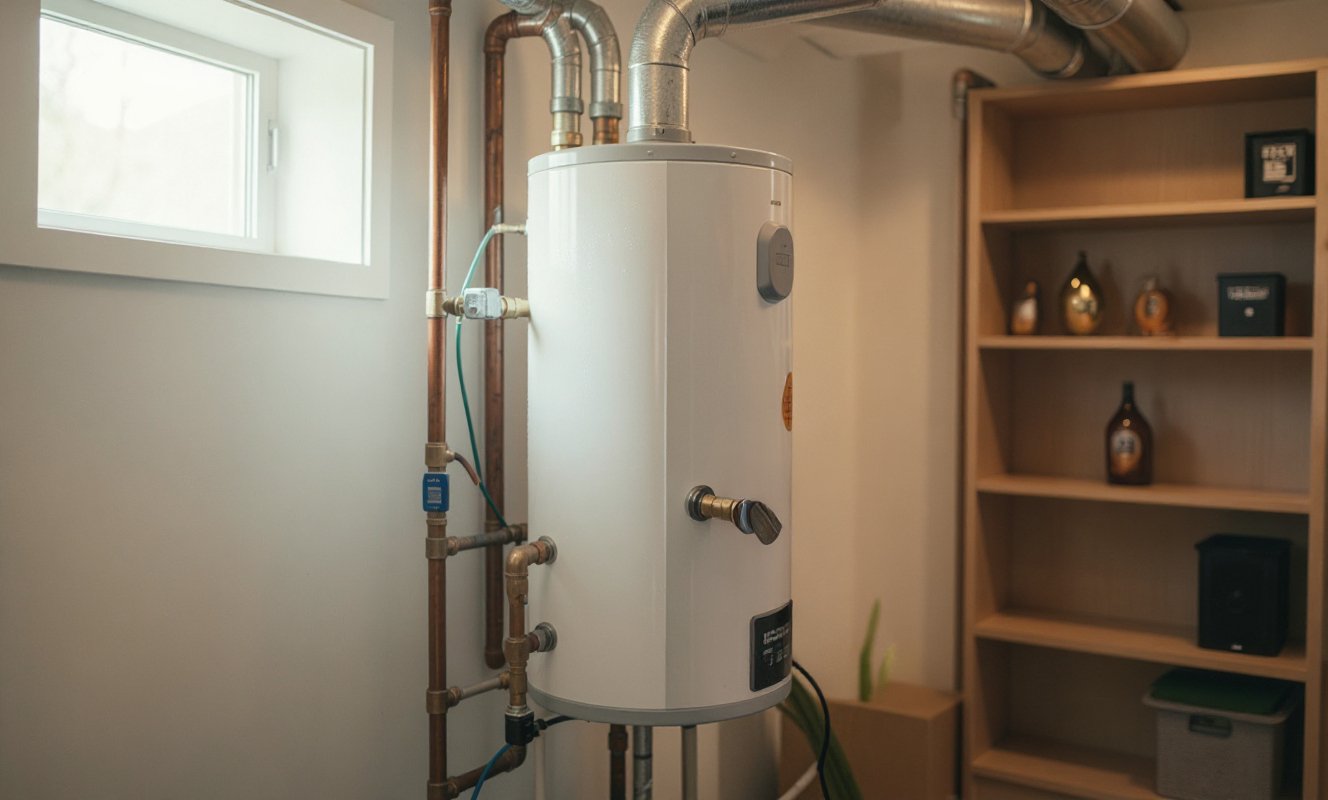
Heat pump water heater rebate programs can reduce your out-of-pocket installation cost by thousands of dollars when you combine federal tax credits, state incentives, utility rebates, and point-of-sale discounts the smart way. If you want a simple roadmap to replace your old water heater while keeping more money in your pocket, this guide explains everything you need to know.
In 2026, many homeowners can save between $1,000 and $3,500+ through stacked heat pump water heater rebate programs and federal energy-efficiency incentives.
Key Takeaways
- First, homeowners can stack a 30% federal tax credit (up to $2,000) with state and point-of-sale rebates like HEEHRA.
- As a result, total savings may reach $1,000–$3,500 or more.
- In some cases, low- and moderate-income households may qualify for a $0 installed ENERGY STAR heat pump water heater.
- However, most heat pump water heater rebate programs only apply to ENERGY STAR-certified models.
- Currently, federal tax credits remain available through December 31, 2025.
- In addition, many utility companies offer extra rebates that can be combined with HEEHRA incentives.
- How Much Money Can You Get Back With a Heat Pump Water Heater Rebate?
- Step-by-Step Guide to Maximize Every Heat Pump Water Heater Rebate
- Heat Pump Water Heater Rebate Cost Examples
- Conclusion
- Quick FAQ
How Much Money Can You Get Back With a Heat Pump Water Heater Rebate?
Most homeowners can recover 30% of total installation costs through the federal 25C Energy Efficient Home Improvement Tax Credit. However, the maximum credit is capped at $2,000.
Still, the federal incentive is only the beginning.
Today, many states also offer additional heat pump water heater rebate programs through:
- The Inflation Reduction Act (IRA)
- HEEHRA point-of-sale rebates
- State clean-energy initiatives
- Local utility company incentives
Because of these programs, upfront costs can drop dramatically.
HEEHRA Rebate Income Levels
| Household Income | Available Rebate |
|---|---|
| Below 80% AMI | 100% of costs up to $1,750 |
| 80–150% AMI | 50% of costs up to $875 |
| Above 150% AMI | Federal tax credit only |
Most states, including New York, Colorado, and California, provide additional rebates ranging from $250 to $1,750. However, rebate amounts vary based on your location and utility provider.
Unfortunately, many contractors still process heat pump water heater rebate paperwork incorrectly. Therefore, always confirm rebate eligibility before installation begins.
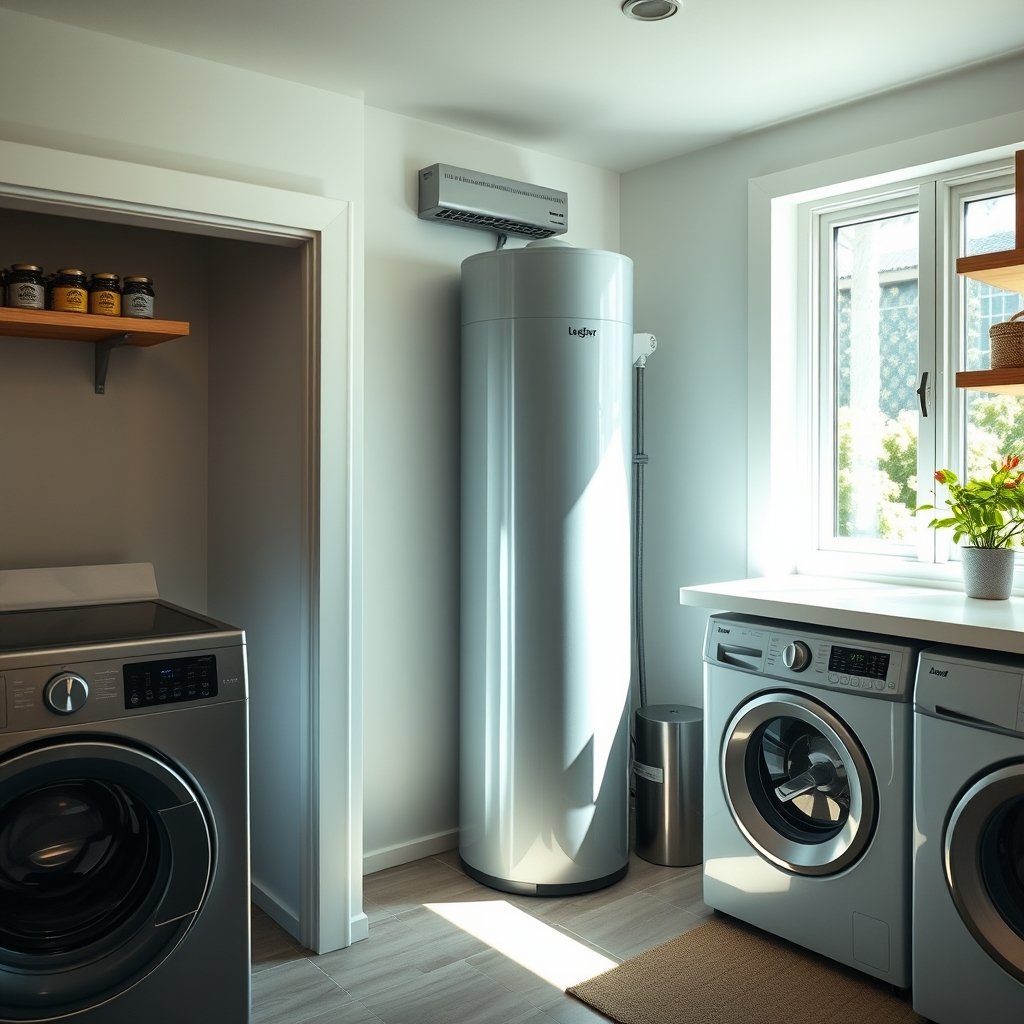
Step-by-Step Guide to Maximize Every Heat Pump Water Heater Rebate
- First check your income vs. AMI: Use a HUD AMI lookup tool to confirm if your household qualifies for full or partial HEEHRA rebates.
- Next confirm your residence and tax status: You must be a federal tax filer for the 25C credit and install in a primary or qualifying home by Dec 31, 2025.
- Then pick a qualifying heat pump water heater: Only models with an ENERGY STAR or “Most Efficient” certification qualify. Look for top brands (see below).
- After that get at least three itemized installer quotes: Request line-by-line breakdowns (equipment, labor, electrical, permit fees) and ask if the installer can process state or HEEHRA point-of-sale rebates up front.
- In addition check local/state/utility rebates: Use your state agency site or utility’s rebate finder (e.g., NYSERDA for New York).
- Also lock in paperwork and receipts: Save your detailed, paid invoice showing model number, installation date, and proof that it’s an ENERGY STAR/Most Efficient unit. This is required for your tax credit.
- Finally file for the 25C tax credit on your 2025 return: Submit IRS Form 5695 with your 2025 taxes for up to $2,000.
Sample Timeline: Get quotes in 1-2 days, confirm eligibility and sign with your preferred installer in under a week, get installation within 2-4 weeks (depending on local contractor demand).
Heat Pump Water Heater Rebate Cost Examples
Not every homeowner will get a $0 water heater, and there are realistic obstacles to stacking rebates. Here’s what can go wrong—and what you can do to avoid it:
| Scenario | Installed Cost | Point-of-Sale Rebate | Federal 25C Credit | Net Cost to You |
|---|---|---|---|---|
| Low Income <80% AMI | $3,200 | $1,750 (100%) | $1,450 (on remainder) | $0 |
| Middle Income 80–150% AMI | $3,500 | $875 (50%) | $788 (on post-rebate cost) | $1,837 |
| High Income >150% AMI | $3,200 | None | $960 (30% up to $2,000) | $2,240 |
States: Range of Local Offers
- New York: $700–$1,000 typical state rebates, as shown here.
- Colorado: $250–$500 utility/state programs (details).
- California: HEEHRA rebates up to $1,750 (including for multifamily), plus local programs. See California rebate launch report.
Common Heat Pump Water Heater Rebate Mistakes to Avoid:
- Installer does not participate: Not every contractor can or will process point-of-sale rebates. Always ask upfront.
- Wrong product or paperwork: Buying a non-ENERGY STAR or out-of-date model makes you ineligible for both rebate and credit. Check the ENERGY STAR database first.
- Missed deadlines: Federal tax credit ends Dec 31, 2025. State programs can run out of funds. Calendar your purchase and install now.
- Upfront costs still required for higher income: Above 150% AMI, you’ll pay everything above the federal $2,000 cap. Get three quotes to minimize outlay.
- Panel upgrade costs: Some homes (especially older ones) may need a new breaker or wiring—can add up to $1,000–$2,000, not always covered by rebates unless bundled under HEEHRA.
Conclusion
If you want to electrify your water heating and stack the Heat pump water heater rebate offers available, careful product choice and paperwork make all the difference. For most, combining federal, state, and point-of-sale rebates can slash installed costs—and sometimes drop your out-of-pocket to zero. Don’t let deadlines slip or those extra forms fall through the cracks. Act now and keep your invoices, or you’ll leave serious cash on the table.
Ready to get started? Lock in your eligibility, compare three installer quotes, and ask about every rebate. For quick checks, use the links above to verify your state program status.
Quick FAQ
How do I know if I qualify for the HEEHRA or IRA point-of-sale rebates?
Your eligibility is based on your household’s Area Median Income (AMI), which you can check using your ZIP code with a free HUD lookup tool. Below 80% AMI gets 100% coverage. 80–150% AMI gets 50%. Above 150% AMI only federal credit applies.
What happens if my installer doesn’t process the rebate?
You’re responsible for applying through your state’s portal or utility program. Some rebates require pre-approval or reservation before installation. Always confirm with both installer and agency before work starts.
How quickly will I receive the rebate funds or credit?
Point-of-sale rebates happen immediately (they reduce your invoice at purchase/installation). The federal 25C tax credit is claimed when you file your federal income tax return for the year of installation.
Do I need to replace my electric panel to get the rebate?
Not always, but older homes may need upgrades if panel amps or wiring are insufficient. HEEHRA covers some panel upgrades for income-qualified households. Ask for this in your initial quote.
Which brands and models qualify for the best rebates?
Stick to top brands like Rheem, A. O. Smith, Bosch, or Stiebel Eltron. Only buy models that appear on the ENERGY STAR/Most Efficient list current for the installation year.

[…] to see how home upgrades stack up? Compare the costs and savings potential with heat pump water heater rebates or whole home generator installation […]
[…] drainage is also crucial for energy savings—see our heat pump water heater rebate guide for energy optimization tips with other […]