


Key Takeaways
- Collagen sticks for dogs are scientifically shown to offer joint and dental benefits due to their high content of type I collagen, glucosamine, and chondroitin, but controlled clinical trials are still lacking.
- They are generally safer and more digestible than rawhide but still require close supervision, correct sizing, and awareness of possible risks like choking, GI upset, or beef allergies.
- Owners should buy only single-ingredient, transparently sourced products and consult a vet for personalized advice, as dosing and frequency are not yet standardized.
- What are collagen sticks for dogs?
- How collagen sticks support joint health (mechanism & studies)
- Dental benefits vs rawhide and standard chews
- Safety profile and most frequently reported owner complaints
- Evidence quality — what the science supports and what’s missing
- How collagen sticks compare on digestibility and blockage risk
- Choosing the best collagen sticks (product criteria + puppy considerations)
- Practical usage guidance (safe frequency, monitoring, and when to stop)
- Quick buyer’s checklist + 3 evidence-minded product picks to test
- FAQ
- References & further reading
What are collagen sticks for dogs?
Collagen sticks for dogs are single-ingredient chews made from the inner layer of cowhide, called beef corium. Unlike typical rawhide (which uses the tougher, exterior skin), collagen sticks preserve type I collagen—a protein that forms part of connective tissue—along with naturally occurring joint compounds like glucosamine and chondroitin. This makes them a science-forward twist on dog chews: they’re minimally processed to reduce additives, and many sources confirm that pure beef-collagen chews contain “high-type I collagen, glucosamine, and chondroitin naturally present in pure beef corium.” [source]

Unlike bully sticks (beef muscle) or rawhide (typically processed with chemicals), dog collagen chews tend to be denser with a slower abrasion, making them longer-lasting and more digestible. Where rawhide can contain glues, bleaches or flavor sprays, collagen sticks are often just dehydrated beef corium—no frills, but significant for ingredient-focused owners.
How collagen sticks support joint health (mechanism & studies)
Collagen sticks for dogs deliver joint health benefits through their supply of type I collagen peptides, glucosamine, and chondroitin. Scientific animal-nutrition studies suggest that these compounds can reduce joint inflammation, support the maintenance of cartilage integrity, and improve mobility—especially valuable for senior dogs or large breeds at risk for arthritis. Research cited by leading manufacturers and review sites states that beef-collagen chews “can reduce joint inflammation, improve cartilage integrity and increase mobility.” [source]

It’s important to note that the exact absorption (“bioavailability”) of collagen peptides from chews versus powders isn’t fully established. However, chewing itself may release joint-protective amino acids and stimulate a dog’s natural digestive enzymes, offering potential benefit beyond supplements alone. Still, for severe joint problems, prescription treatments—not chews—should always come first.
Dental benefits vs rawhide and standard chews
One of the most evidence-based perks of a dog dental collagen stick is its mechanical cleaning action. As your dog gnaws, the dense, chewy surface can “mechanically scrape plaque and stimulate saliva, providing a measurable dental-cleaning effect that rawhide and many standard chews lack.” [source] This abrasive effect helps reduce tartar buildup and freshens breath naturally.
Rawhide is notorious for inconsistent digestibility and frequent use of chemical preservatives or flavoring agents, which can irritate your dog’s stomach or even cause allergic reactions. Collagen chews, especially those listed as a rawhide alternative collagen, tend to be made from cleaner ingredients and break down better in the gut. Still, no dog chew is 100 percent risk-free—supervision and size matching are absolutely critical.
| Chew Type | Joint Support | Dental Action | Digestibility | Additives/Risk |
|---|---|---|---|---|
| Collagen Sticks | High (Type I Collagen, glucosamine, chondroitin) | Excellent | Very High (nearly 100%) | Low; single-ingredient if high quality |
| Rawhide | Minimal | Variable/poor | Low to moderate | High for additives, blockages, choking |
| Bully Sticks | Low | Moderate | High | Low (if single-source) |
Safety profile and most frequently reported owner complaints
Collagen sticks for dogs are not risk-free, even though they are widely regarded as safer than bulk rawhide. The most frequently reported problems—based on owner surveys and product reviews—include occasional large fragments that pose a choking risk, mild gastrointestinal upset especially if swallowed whole, the higher cost versus ordinary chews, and the universal need for close supervision during use. [source]
Contraindications include beef allergy, and dogs with pancreatitis or kidney trouble should avoid high-protein or dense chews. Supervision is always required—pick the correct size, never allow aggressive gulping, and discard the chew when it becomes small enough to pose a swallowing hazard.
Evidence quality — what the science supports and what’s missing
While animal nutrition studies support the mechanism behind collagen chews for joint health in dogs, current research lacks controlled clinical trials with real-world dogs directly comparing collagen sticks with rawhide or bully sticks. Most popular dog websites “frequently omit critical safety and efficacy details such as specific dosage or frequency recommendations, quantitative data on collagen peptide bioavailability versus powdered supplements, and results from controlled clinical trials.” Owners should be wary of overblown claims: these chews are not a substitute for medical care in dogs with diagnosed joint disease or GI problems.
How collagen sticks compare on digestibility and blockage risk
Manufacturers frequently cite “almost 100%+ digestibility” as a major selling point for dog collagen chews, asserting this lowers choking and blockage risks when compared to traditional rawhide. The science generally supports the idea that beef corium breaks down better than outer hide, but pets who gulp or break their chew into big chunks might still choke or develop an obstruction. Always monitor and choose a size or density tailored to your dog’s breed and chewing style.
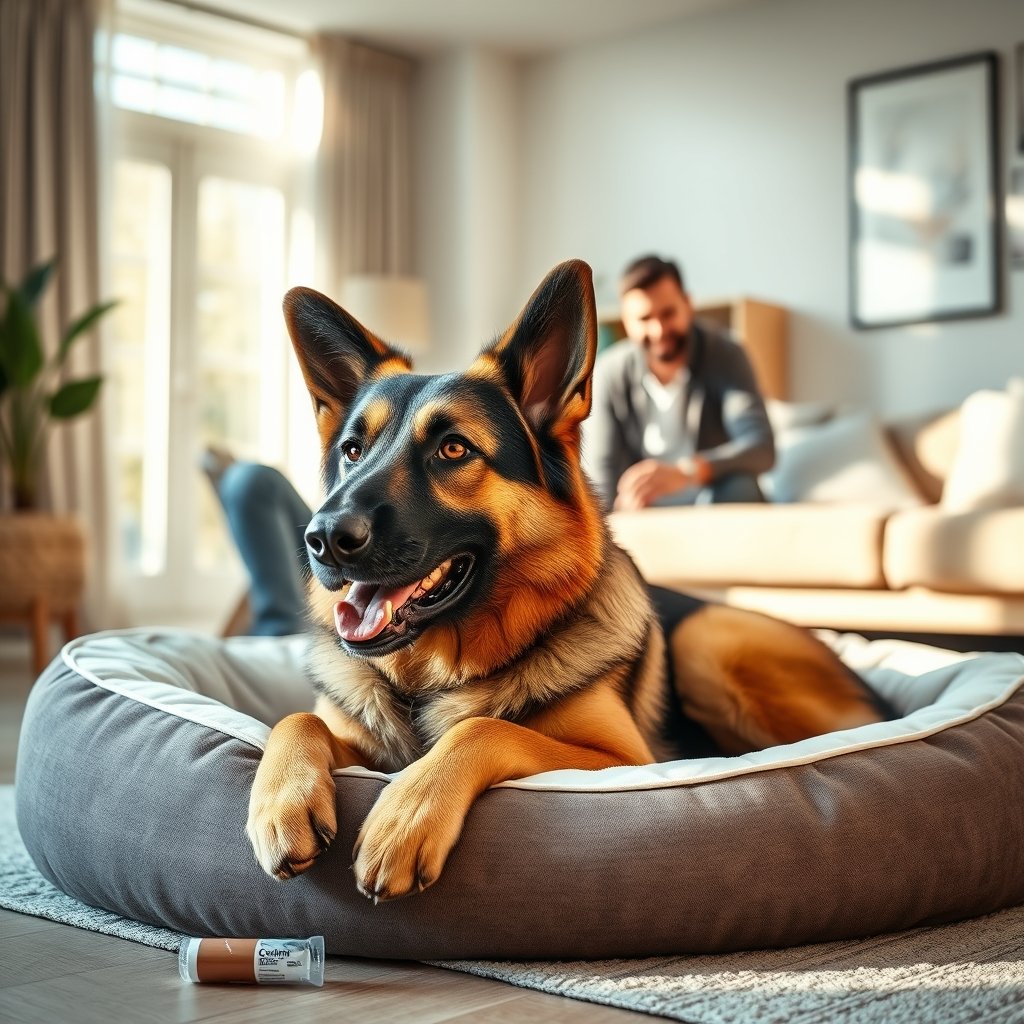
If your dog has a history of GI blockages or chronic digestive issues, consult your vet before introducing any new chew—even highly digestible ones.
Choosing the best collagen sticks (product criteria + puppy considerations)
To find the best collagen sticks for dogs and especially for puppies, prioritize the following:
- Single-ingredient: Only beef corium should be listed—no flavors, glues, preservatives, or filler grains.
- Transparent sourcing: Look for grass-fed or pasture-raised claims and a clear country of origin.
- Right size/density: Match stick diameter and length to your dog’s weight and chewing strength. Power chewers need denser chews; puppies get slimmer sticks.
- No additives: Steer clear of dyes or flavor sprays (risk of allergies or digestive upset).
- Brand testing: Check for lab results confirming digestibility and the absence of harmful bacteria.
Special rules for puppies: Choose best collagen sticks for puppies that are sized for small mouths. Always supervise, and skip chews entirely if your puppy has a habit of swallowing things whole during teething.
Practical usage guidance (safe frequency, monitoring, and when to stop)
There’s no official veterinary dosing chart for dog collagen chews—but the general safest protocol is:
- Introduce gradually, starting with 1-2 sessions per week.
- Supervise every chew session, regardless of breed or age.
- If your dog tolerates without GI upset, you may try giving one stick daily for large breeds; otherwise, 2-4 times weekly is more than enough for average adults.
- Signs to stop or call your vet immediately: persistent vomiting, diarrhea, abdominal pain, choking, gagging, or visible blood in stool.
- For dogs with allergies, kidney disease, or a history of pancreatitis, avoid these chews or consult your veterinarian first.
Research notes that “specific dosage or frequency recommendations” are often omitted. Collagen sticks for dogs are not a replacement for formal veterinary treatment or a cure for medical conditions. [source]
Quick buyer’s checklist + 3 evidence-minded product picks to test
Before you order, run through this quick quality checklist:
- Only purchase single-ingredient, beef corium sticks tested for digestibility and sourced from audited facilities.
- Match sizing and density to your dog’s current chewing habits—err on the larger, tougher side if in doubt.
- Check for up-to-date lab/test results and transparent ingredient disclosure on manufacturer websites.
The best collagen sticks for dogs combine premium sourcing, transparent manufacturing, and appropriate sizing. [source]
- Natural Farm 6-Inch Collagen Sticks: Single-ingredient, grass-fed beef corium; lab-tested and fully traceable [manufacturer info]
- Mighty Paw Collagen Sticks: Transparent sourcing, different widths for breed size, and no preservatives or additives [manufacturer info]
- Devil Dog Pet Co Collagen Sticks: Large-breed sizes, single ingredient, batch testing for digestion and safety [manufacturer info]
Verify the most up-to-date transparency and lab testing before purchase, especially for new brands or bulk suppliers.
FAQ
Are collagen sticks safe for puppies?
Yes, Collagen Sticks For Dogs provided they are sized appropriately and given only under continuous supervision. Avoid if your puppy swallows chews whole or is still aggressively teething.
Do collagen sticks help dogs with arthritis?
They offer joint-supporting compounds and may help with mild arthritis, but severe cases need a veterinarian’s care and prescription medications.
Can collagen chews replace joint supplements?
No—dog collagen chews can complement but not fully replace dedicated joint supplements, especially in older dogs or those with existing conditions.
What’s the risk of choking or blockages?
Risks are lower than with rawhide, but not zero. Always supervise and discard any small or chewed-down pieces.
Can I give collagen sticks every day?
For most healthy adult dogs, yes. But watch for GI upset, and don’t exceed 1 stick daily without discussing with your vet.
References & further reading
- Dog Collagen Sticks: A Rawhide-Free Chew That Supports Joint, Dental & Whole Body Health (Dogginstix)
- Are Collagen Sticks Safe For Dogs? (Bully Sticks Direct)
- Difference Between Bully Sticks and Collagen Sticks (Mighty Paw)
- Best Collagen Sticks For Dogs (Devil Dog Pet Co.)
- 5 Ways to Stay Safe in an Aging in Place Bathroom Remodel (if you have a senior pet and want to improve household safety)
- Whole Home Generator Installation: 5 Best Ways to Save Guide (for planning reliable pet safety at home)
- EV Charger Home Installation (because electric vehicles and pet transport often go hand-in-hand in eco-conscious households)
Note: There are currently no published controlled clinical trials directly comparing collagen sticks to rawhide or bully sticks; this is a critical evidence gap to watch for future updates.