

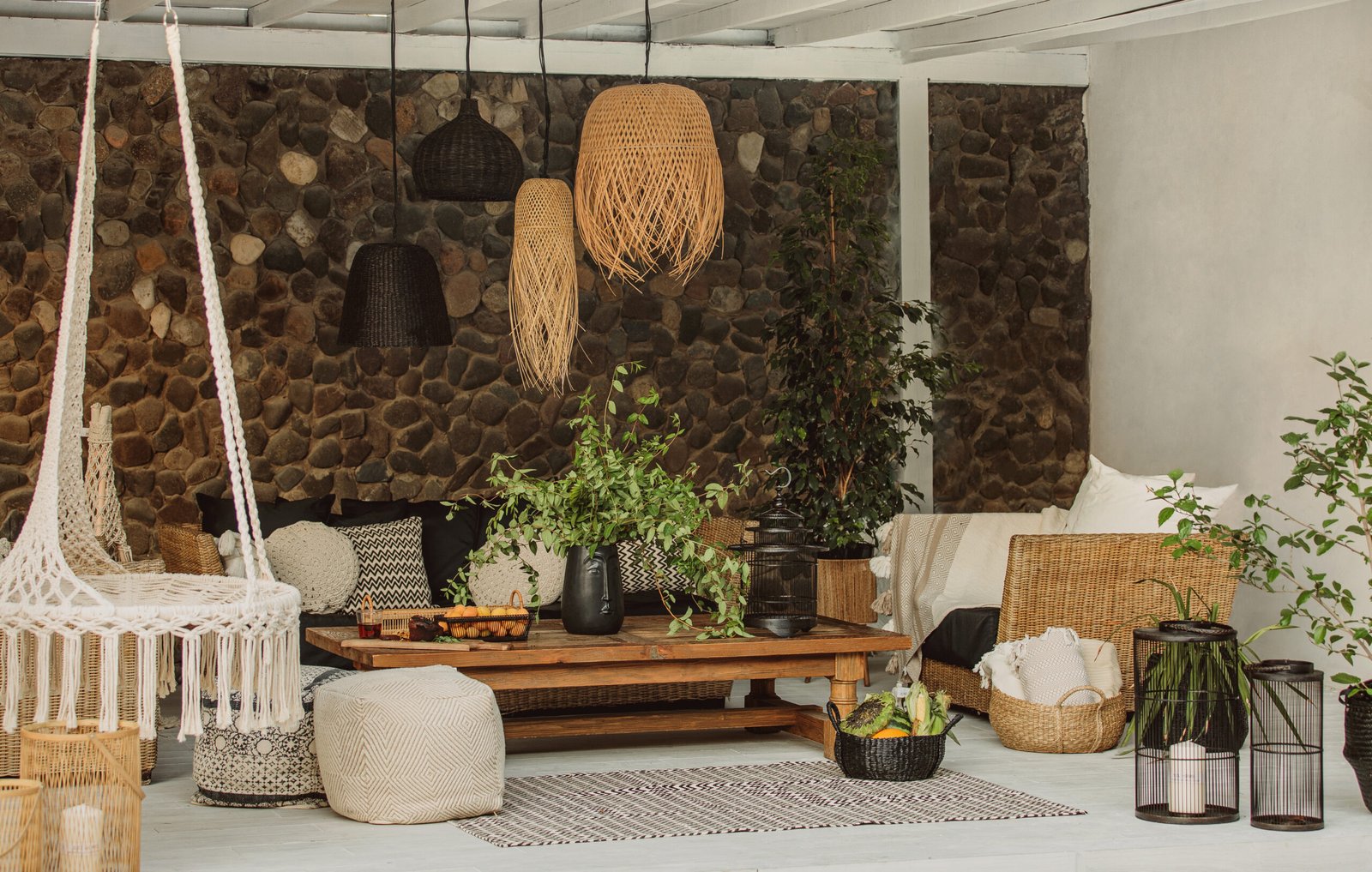
Biophilic furniture is more than a style trend—it’s a commitment to healthier living, long-term value, and blending nature seamlessly into your home. If you’ve ever wondered how these statement pieces are made, how they last, or if they fit in real homes (not just in glossy magazines), this guide gives you the answers and a clear roadmap for buying smarter—not just prettier—nature-inspired furniture.
Key Takeaways
- Biophilic furniture uses organic materials and shapes to improve wellbeing, boost mood, and bring lasting beauty to any space.
- Buyers must consider upfront costs, space planning, and maintenance—but smart finishes, modular options, and tiered pricing make biophilic design accessible for most homes.
- Durability, certified sourcing, and low-maintenance finishes are crucial; always ask for material origin, protective treatments, and long-term warranties.
- What is biophilic furniture and why it matters now
- 2025 market snapshot — demand, growth and material trends
- Popular materials and forms — what to look for (and why)
- Top 3 buyer pain points with live-edge & organic-shaped pieces (and quick fixes)
- Durability & low-maintenance finishes — the buyer’s guide
- Cost transparency & affordability strategies
- Making large organic pieces work in small or multi-functional spaces
- How to evaluate quality and sustainability when buying
- Maintenance checklist and seasonal care plan
- Real buying scenarios and sample budgets (3 personas)
- Where to buy and how to test before you commit (CTA + checklist)
- Quick reference: Best materials by use & one-sentence care tip
- FAQ
What is biophilic furniture and why it matters now
Biophilic furniture connects you with nature through sustainably sourced wood, organic forms, and naturally textured materials. Unlike standard furnishings, these pieces actively support wellbeing—reducing stress, boosting mood, and even improving productivity at home. Research in 2024 shows that biophilic furniture is riding a major wave in wellness-focused interior design (source). By embracing elements like live-edge slabs, curved and plant-like forms, and visible wood grain, each item seamlessly fuses nature’s benefits with everyday function. This holistic approach is more than an aesthetic—it’s a proven way to make home life calmer and more resilient amidst a fast-moving world.
2025 market snapshot — demand, growth and material trends
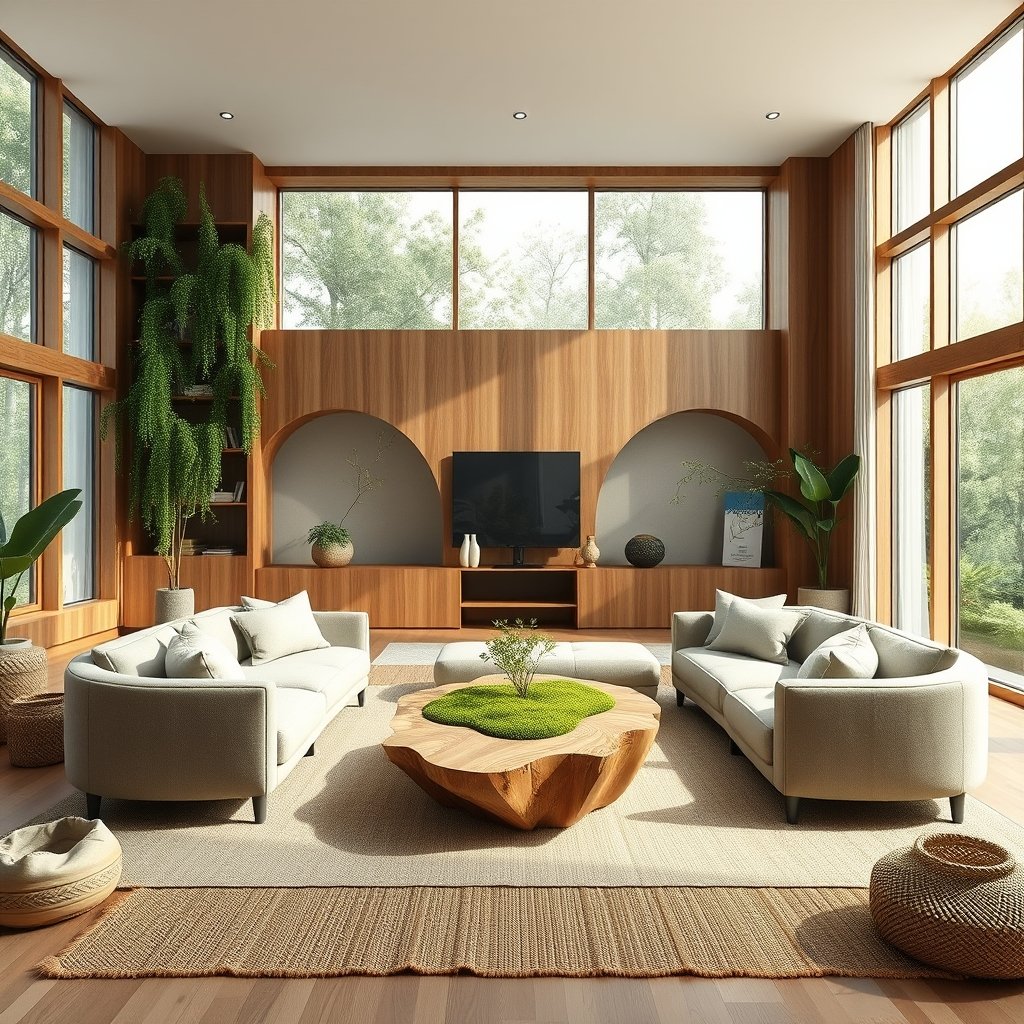
The global biophilic design market is booming. By 2028, biophilic design furniture for indoor spaces is expected to reach $3.1 billion, expanding at over 10% compound annual growth. The larger home-furnishings sector generated $108.8 billion in 2024, growing by 4.5% annually (see research). Consumers are rapidly switching to natural woods, reclaimed timber, bamboo, and rattan—especially as forest-green upholstery has jumped from just 3% of sofas sold in 2022 to an estimated 19% in 2026 (study).
This momentum is driven by increasing demand for wellness at home, concern about sustainability, and a preference for one-of-a-kind live-edge tables or organically curved sofas that evoke river stone or leaf lines. Materials like cork and seagrass are also trending up, reflecting homeowners’ appetite for tactile, eco-friendly design.
Popular materials and forms — what to look for (and why)
Choosing nature-inspired furniture for home means more than picking a color—it’s about understanding materials and how they age, perform, and fit your daily life.
- Natural woods & Live edge: Oak, walnut, maple, and reclaimed timber offer durability and unique grain. Live-edge pieces—keeping the wood’s organic contour—bring true one-of-a-kind appeal.
- Bamboo: Low-maintenance, rapidly renewable, and nearly as strong as many hardwoods.
- Rattan and seagrass: Lightweight, flexible, ideal for a rattan and wood furniture set—great for easy moves and smaller homes.
- Cork: Water-resistant, warm underfoot, and naturally antimicrobial.
- Organic forms: Pieces echoing waves, branches, or river stones—for example, an organic shaped sofa—instantly soften a room and invite relaxation.
Research shows buyers gravitate toward these renewable, low-impact materials for both sustainability and the real, sensory feel of nature (CHITA living). Furniture with natural wood live edge is rarely mass-produced, which makes it special—but also means evaluating fit, finish, and quality is key before purchase.
Top 3 buyer pain points with live-edge & organic-shaped pieces (and quick fixes)
Most biophilic furniture buyers share three main frustrations:
- High upfront cost: Custom or artisanal items—especially live-edge wood—can be expensive.
Quick fix: Seek out second-tier species, veneers, or even high-quality replicas. Check local woodworkers, not just upscale boutiques. Look for seasonal sales or rent-to-own options. - Ongoing maintenance: Raw edges and hardwoods show scratches, dents, and can warp from humidity.
Quick fix: Apply protective sealants (like food-safe oils, water-based poly, or wax). Use felt feet and placemats. Set calendar reminders for annual or bi-annual touch-ups. - Space & fit: Irregular shapes require planning—many homes have limited space.
Quick fix: Layout first using cardboard templates or free AR apps. Choose modular components or smaller slabs for apartments. Consider an organic shaped sofa with more compact dimensions and sectional options.
These common pain points highlight why it’s smart to shop intentionally, budget for professional finishes, and ask suppliers about all-in maintenance support.
Durability & low-maintenance finishes — the buyer’s guide
Long-term satisfaction with furniture that features natural wood live edge or organic forms depends on protective finishes and build details.
Here’s a simple breakdown:
- Oil (linseed, tung, hardwax): Natural look, easy to reapply, enhances grain. Needs re-coating 1-2 times per year (especially on live-edge slabs).
- Polyurethane or water-based poly: Durable, moisture resistant, best for dining and coffee tables. Minimal annual maintenance.
- Epoxy fills: Recommended to stabilize cracks in live-edge slabs yet leave texture visible.
- Wax: Adds sheen, best for smaller items. Buff every 6-9 months.
Regular cleaning: Dust wood with a soft microfiber once per week. For rattan, vacuum brush attachments help avoid buildup.
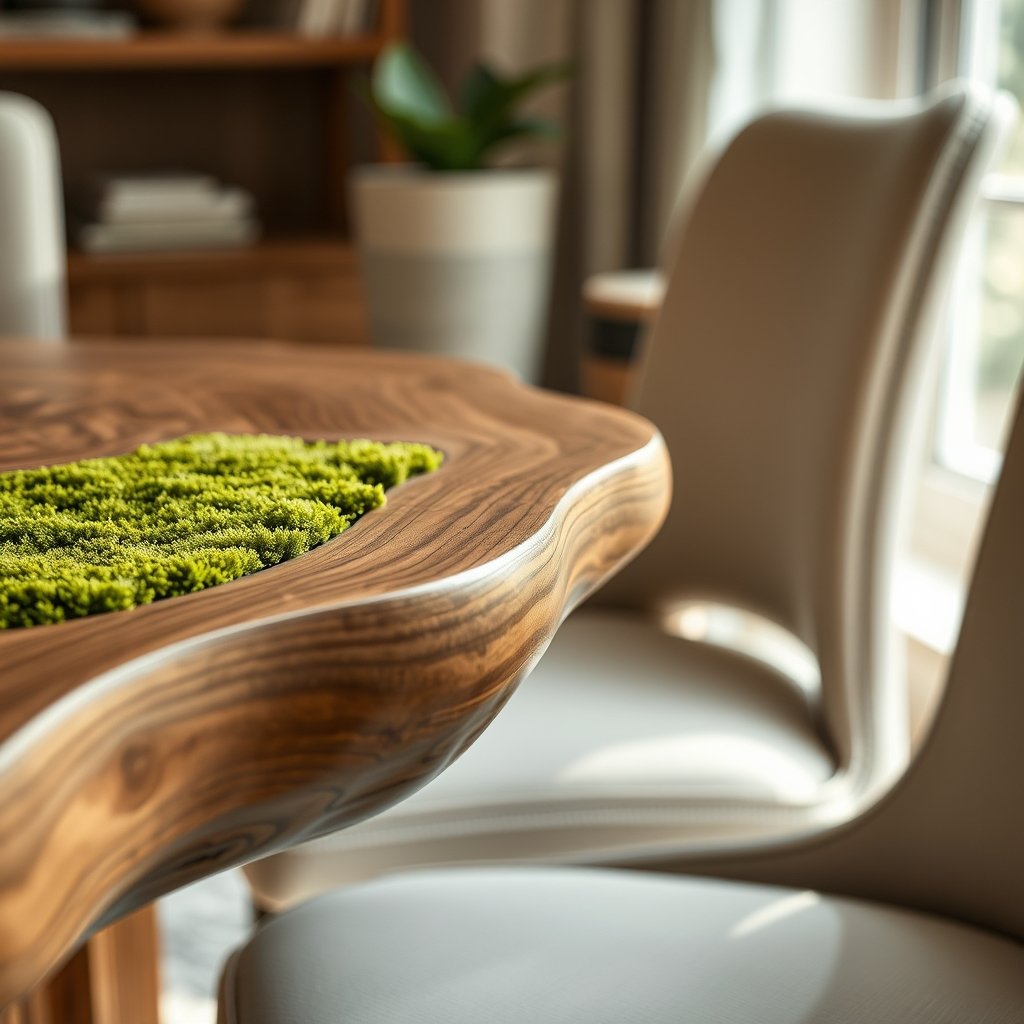
Competitor guides rarely address these real-world tips—yet your investment’s lifespan, appearance, and even resale value depend on these habits.
Cost transparency & affordability strategies
For biophilic design furniture indoor, budget can range widely—here’s what to expect:
- Mass-market live-edge tables: $300–$900 (often veneers, simpler joinery)
- Handcrafted slabs (walnut, oak): $1400–$7000+
- Rattan and wood furniture set: $350–$2400 (modular sets at lower end; luxury sets at upper tier)
- Bamboo or recycled options: $150–$800 (budget-friendly, particularly for side tables or stools)
To keep costs predictable:
- Ask for a full cost breakdown (materials, finish, delivery, installation).
- Choose second-tier woods (rubberwood, poplar) for lower cost but similar sustainability.
- Seek lightly blemished “shop seconds” or pre-owned/refurbished options—reapplying finish yourself can save hundreds.
- For statement pieces, see if the vendor offers financing or layaway plans—many do, especially for larger purchases.
Remember: Upfront costs may be higher, but true value is found in long-term durability, joinery quality, and proven source traceability. Many mainstream articles ignore these breakdowns—smart buyers make each dollar go further by focusing on both the initial cost and the piece’s lifespan.
Interested in more ways to invest in long-term upgrades for your home? Explore strategies like the ones in maximizing savings with a heat pump water heater and whole home generator installation.
Making large organic pieces work in small or multi-functional spaces
Worried that curved organic furniture design or a big organic shaped sofa may feel overwhelming in a modest living room or apartment? Many buyers have this concern—luckily, more brands are offering smart, modular solutions. Here’s how to make it work:
- Modular/sectional pieces: Choose a sofa or table that can be split, rearranged, or adjusted in place to adapt as your needs change. Check out inspiration from modular sectional sofas.
- Scaled alternatives: Select smaller live-edge slabs for consoles, coffee tables, or even side tables instead of oversized dining pieces.
- Multi-functional furniture: Search for pieces that combine storage or seating with organic style—think a bench with a live edge or a rattan set with concealed shelving.
- Layout planning: Use AR/3D tools (like Room Planner or free apps) or lay out actual floor templates with painter’s tape for circulation. Maintain at least 30-36 inches of clear flow space for comfort and accessibility.
Competitor guides rarely address how irregular silhouettes may demand clever custom layouts. Modular and scalable options make biophilic design practical, whether you live in a studio or a multigenerational home addition (learn how adaptable furniture sets support changing needs).
How to evaluate quality and sustainability when buying
To avoid greenwashing and ensure long-lasting, nature-inspired furniture for home, use this checklist:
- Ask for source specifics—local, reclaimed, or FSC/PEFC-certified wood.
- Inspect joinery: Mortise-and-tenon, dowel, traditional dovetails last far longer than fasteners or minimal glue.
- Request details on frame (for sofas), internal springs, foam certification (CertiPUR-US or natural latex), and cushion filling (avoid vague “eco” claims).
- Require written info on finish and protection; avoid any supplier who skirts this question.
- Ask for warranty details—true sustainable brands back live-edge and rattan and wood furniture sets for at least 3-5 years.
- Beware of any vendor who is vague about country of origin, doesn’t clarify finish type, or can’t outline maintenance requirements.
A sustainable purchase delivers both longevity and daily joy—if the seller hesitates on answering source or finish questions, consider other options.
If you want quality for every room, including accessible options, read our guide to aging in place bathroom remodels for safe, modern living.
Maintenance checklist and seasonal care plan
Ongoing care makes or breaks furniture with natural wood live edge and organic shaped sofa designs. Here is a practical, seasonal plan:
- Weekly: Dust wood with a dry microfiber; vacuum rattan with a soft brush; spot-clean upholstery promptly.
- Quarterly: Assess finish for signs of dullness; wipe down with a damp (not wet) cloth; re-oil live edges if they appear dry.
- Bi-annual: For oiled finishes, re-apply after winter/summer. Wax or buff as needed on smaller pieces.
- Annually: Tighten hardware, look for cracks in live edge or joins. Touch up scratches with compatible repair sticks or natural walnut method.
- Humidity tips: Use a humidifier in winter and monitor air moisture; avoid placing plants directly on wood surfaces to prevent water ring stains.
This realistic plan prevents the most common maintenance headaches—scratches, warping, finish loss—and keeps your investment lasting for years.
Real buying scenarios and sample budgets (3 personas)
Let’s break down three real-world buyer journeys, showing sample spend and how to prioritize.
Scenario 1: The Apartment Downgrader (Budget: $950-$1,300)
Emma recently moved from a suburban house to a downtown apartment. Her top goal: bring nature in, but avoid clutter. She invests in a three-piece rattan and wood furniture set ($550), paired with a small-scale live-edge coffee table ($400). She chooses modular units that can be separated or joined in multiple ways, making them fit tight spaces or open them up if she moves again. Maintenance plan: quarterly dusting, bi-annual oil for the live-edge. Her setup averages $60/year in upkeep (oils, soft cloths).
Scenario 2: Family Seeking a Statement Dining Piece (Budget: $2,500-$4,200)
The Hargrove family wants a nature-inspired dining table as their home’s centerpiece. After researching, they select a midrange walnut live-edge slab table ($2,750), custom-sealed with durable satin poly for increased scratch and moisture resistance. They add four solid-wood dining chairs ($980). Maintenance costs are about $80/year for care kits and periodic re-coating. This investment is balanced by the table’s expected decades-long lifespan.
Scenario 3: Luxury Buyer, High-End Custom Sofa (Budget: $7,500-$12,000)
Victor, a busy executive, commissions a custom organic shaped sofa in certified-sustainable American black walnut. Internal frame joinery uses mortise and tenon, cushions are natural latex, and eco-wool covers provide resilience. Protective nano-topcoat keeps stains at bay. Yearly maintenance is under $120 for specialized cleaning and humidity control. The piece commands a higher upfront cost ($10,800 total), but virtually guarantees long-term durability and daily comfort.
These cases offer actionable paths, showing how biophilic furniture can be tailored for any home, budget, and lifestyle. Looking for more insight on maximizing your home’s resale value or investment? Read our guide to increasing ROI on garage conversions.
Where to buy and how to test before you commit (CTA + checklist)
Ready to bring the outdoors inside? Here’s how to shop smart for biophilic design furniture indoor and nature-inspired furniture for home:
- Browse local artisans and custom woodworkers for unique live-edge and rattan and wood furniture sets.
- Check sustainable brands with clear certification and transparent sourcing.
- Visit showrooms or pop-up events—many let you try before you buy, especially for larger or more expensive items.
- Negotiate—ask about discounts, free delivery, or extended warranties.
- Always clarify the return policy and warranty coverage in writing.
- Use 3D/AR planning apps to visualize the piece in your space and test fit before committing.
- Physically measure your entryways, hallways, and planned layout.
- Review online feedback and insist on written documentation of material and finish.
Market research confirms buyers now expect full transparency and hands-on trial options before investing—take advantage of this shift. Don’t forget to review expert-guided tips for optimizing every room, whether it’s a cost-effective insulation upgrade or planning for smart, connected furniture in small spaces (trending smart furniture).
Here’s your simple 8-point pre-purchase checklist for biophilic furniture:
- Source (reclaimed, local, or certified sustainable?)
- Finish (oil, poly, or wax—what is it, and does it suit your needs?)
- Warranty and after-sales care?
- Dimensions and clearance fit in actual room?
- Material traceability—ask for certification documents.
- Maintenance frequency and product recommendations?
- In-home delivery and assembly (included or extra?)
- Return or exchange policy?
Quick reference: Best materials by use & one-sentence care tip
| Item | Best Material Choice | Care Tip |
|---|---|---|
| Dining Table | Furniture with natural wood live edge (oak, walnut) | Wipe spills quickly and re-oil or re-coat at least once a year. |
| Sofa | Organic shaped sofa with solid hardwood frame, natural latex cushions | Vacuum weekly; professional clean covers yearly. |
| Side Chair | Curved organic furniture design with bamboo or rattan | Dust regularly; retighten screws every 6 months. |
| Coffee Table | Furniture with natural wood live edge (maple or ash) | Use coasters and avoid placing hot pans or mugs directly. |
| Rattan Set | Rattan and wood furniture set with sealed rattan | Vacuum crevices; avoid direct sunlight to prevent fading. |
Figure out which finish fits your lifestyle—and enjoy the beauty and durability that natural materials offer. As research indicates, consumers are moving toward reclaimed timber, bamboo, rattan, and other renewables, proving that sustainability and style can go hand-in-hand.
FAQ
What exactly is biophilic furniture?
Biophilic furniture is crafted from natural or renewable materials—like live-edge wood, rattan, or bamboo—and shaped in organic ways that mimic forms found in nature. It aims to boost wellness by creating a direct connection with the outdoors inside your home.
Is biophilic furniture hard to maintain?
With the right finish and simple seasonal care, biophilic furniture is no more demanding than other high-quality furnishings. Regular dusting, occasional oiling or waxing, and humidity control are key. Choose low-maintenance finishes like poly where possible for extra protection.
How do I know if a piece is truly sustainably sourced?
Ask the seller for written proof: look for FSC/PEFC certification, details on reclaimed sources, and full transparency about materials and finish. If a vendor is vague, consider shopping elsewhere.
Can biophilic pieces fit in small apartments?
Yes, especially if you prioritize modular configurations, select compact organic shapes, or use AR templates to plan the layout. Many brands now offer scaled-down versions and multifunctional designs ideal for smaller spaces.
Are there affordable biophilic furniture options?
Absolutely. Mass-market vendors and local makers both offer value-based solutions—try second-tier woods, smaller pieces, refurbished items, or flexible financing plans to keep costs down without sacrificing the nature-inspired look.
—