

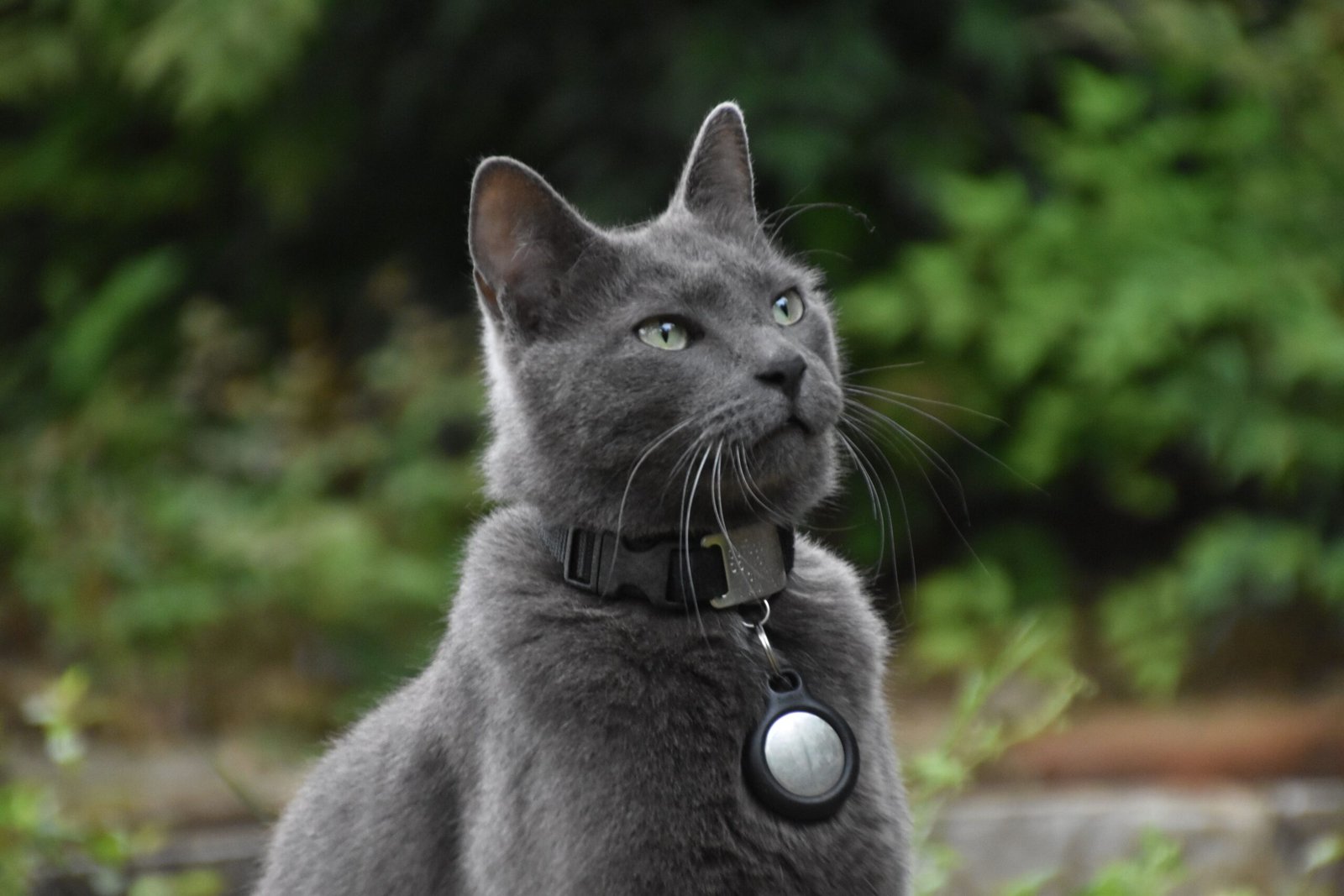
AirTag cat collar solutions are reshaping how practical pet owners track their indoor and outdoor cats and small dogs, but not all collars are equally safe and reliable. This guide distills hard safety and durability metrics so buyers can choose an AirTag-compatible collar or harness that delivers tracking utility without compromising on comfort and risk reduction.
Key Takeaways
- Not all AirTag collars are created equal—focus on breakaway safety, waterproofing, and real-world Find My network coverage before buying.
- Durable AirTag cat collars use nylon or 600D polyester bands and silicone breakaway buckles, but AirTag devices are only rated IP67 and can experience condensation or corrosion.
- Avoid marketing hype—use our buying checklist with breakout force ratings, cycle life, actual IP ratings, and material comfort to get the safest, longest-lasting fit.
- Why choose an AirTag collar or harness for your cat/small dog?
- Materials & construction — what the best-selling models use
- Durability, waterproofing & breakaway safety: what actually matters
- Bottom line & recommended decision flow
- Frequently Asked Questions
Why choose an AirTag collar or harness for your cat/small dog?
AirTag cat collar and harness setups offer pet owners a budget-friendly tracking solution based on Apple’s Find My network. This network works by crowd-sourcing location updates through nearby Apple devices using Bluetooth—not GPS. AirTags are ideal for vet visits, local escapes, or travel situations where your cat or small dog is likely to be recovered within range of most smartphones or iPads. However, in rural or low-device-density areas, the AirTag’s location updates can stop until someone with an Apple device passes within range. Dedicated GPS pet trackers, while pricier, offer continuous coverage and real-time pings—something AirTag cat collar setups cannot always guarantee.
Materials & construction — what the best-selling models use
When comparing the best AirTag collar cats options, most top-selling models use nylon-woven or 600D polyester bands due to their lightweight and strong abrasion resistance. The AirTag holder is usually made of silicone or TPU (thermoplastic polyurethane), advertised as being scratch-resistant and UV-stable for at least two years outdoors. Collars targeting waterproof AirTag pet collar seekers often claim an IPX5 rating (protection from water splashes and light rain), with sealed holders that survive submersion for up to 30 minutes at a depth of 1 meter.
The breakaway buckle—critical for safety—tends to be silicone-coated and calibrated to release at approximately 5 newtons (about 1 pound) of pulling force. This meets ASTM F-12.5 standards, ensuring the closure is secure during play but opens if the collar gets caught. Cycle life is usually advertised up to 150,000 opening and closing cycles, eliminating worries about buckle wear in typical household use.
Reviewing waterproof AirTag pet collar advertising isn’t enough. Actual owner feedback highlights additional details:
- Choose holders with rounded, UV-stable silicone or TPU edges to prevent fur snagging and water intrusion.
- Avoid thick or rigid bands on smaller cats—aim for under 20 grams total weight including AirTag.
- Silicone or TPU outlasts PVC or uncoated plastic for outdoor/cold weather exposure (source).
For high-activity cats or small dog AirTag collar seekers, consider harnesses that include a flat, wide AirTag pocket to distribute weight and reduce the chance of the tag dangling under the belly after play.
Durability, waterproofing & breakaway safety: what actually matters
The best AirTag collar cats options promise IPX5 (or higher) waterproofing for the collar and holder. Yet, the AirTag itself is only IP67 rated: it can handle brief submersion but may fail with prolonged wetness. Several reports show that condensation or corrosion becomes an issue if a wet holder traps moisture around the tag’s battery compartment (see details). To summarize real-world numbers:
| Spec/Claim | Typical Value (Top Sellers) | What it Means |
|---|---|---|
| IP Rating (Collar/Holder) | IPX5 (30 minutes at 1m depth) | Rain or quick splashes okay; not for habitual submersion |
| AirTag Device IP Rating | IP67 | Can handle accidental dunking, but may fail with repeated exposure |
| Breakaway Strength | ≈5 N (~1 lb) | Meets safety standard to reduce strangulation risk |
| Cycle Life | Up to 150,000 cycles | Won’t wear out from daily removals for years |
| Holder Material | Silicone/TPU with UV protection | Two years sunlight/outdoor use before likely degradation |
| Battery Lifespan (AirTag) | Up to 3 years (user-replaceable) | Low cost over time; replacement needed for function |
Recurring owner complaints focus on coverage and product failures (see source):
- The Find My network can leave pets untracked for hours in rural/suburban settings—even if the AirTag cat collar says it is “live.”
- Condensation in the holder may cause AirTag battery failure or corrosion if not aired out after swimming or heavy rain (example reviews).
- Breakaway buckles may pop open too easily or, if poorly made, require significant force to open—risking fur pulling or being dangerous in emergencies.
- Hard AirTag holders (especially metal or rigid plastic) may cause neck irritation with high-motion pets over weeks of daily wear.
Collar vs harness: which is best for AirTag tracking?
Most AirTag collar for cats models are lighter (and more appealing to cats), while harnesses provide superior escape prevention but may leave the AirTag under the armpit or belly after rolling or play. For small dogs or “Houdini” cats, a harness rated IPX5 with an integrated holder is ideal, provided weight and bulk don’t impact comfort. Always check product fit and holder padding before relying on a harness for everyday use.
Three buyer concerns most reviews miss
- Battery replacement cost and timeline: AirTag batteries last approximately 3 years. Always budget for annual inspection and possible early swap-outs as part of total collar cost.
- Holder comfort and skin irritation: Long-term daily wear can cause abrasion or pressure points from hard plastic/metal holders. Look for soft silicone and extra padding for sensitive skin.
- True Find My network coverage: If you live outside dense Apple device areas, consider dedicated GPS trackers (see analysis).
A practical buying checklist
- Is the collar rated at least IPX5? (Holder and band SEPARATELY)
- Breakaway buckle rated for 5N release force (≈1 lb)?
- Band made of 600D polyester or woven nylon—not PVC, not faux leather
- AirTag holder made of rounded, UV-stable silicone or TPU?
- Total weight (collar + tag) under 20g for cats; slightly more is okay for small dogs
- If harness, does the fit prevent the AirTag from sliding under limbs?
- Test cycle: Can you open/close the buckle easily but not with a gentle tug?

Care, lifespan & ownership cost
- Silicone or TPU holder lifespan average: 2 years outdoor use before UV damage risks.
- Buckle cycle-life: up to 150,000 openings—will outlast the collar for average owners.
- AirTag battery: plan for 2–3 years on a CR2032 cell; always have a spare.
- Maintenance: Rinse and air dry after heavy rain or swims. Inspect weekly for fraying or condensation.
Budget $15–$35 for a quality AirTag collar for cats each cycle (~2 years), and $2–$3 per AirTag battery replacement. If you need true “always-on” tracking, consider alternatives like the Tractive GPS Collar (see comparison here).
Bottom line & recommended decision flow
The safest bet for most cat owners is a breakaway, padded AirTag collar for cats (with a soft holder and band) for local escapes, errand runs, or backyard wandering. If your cat is an escape artist or your small dog pulls on collars, choose a harness version—just check for bulky or unpadded AirTag pockets and ensure the fit stays above the front limbs. In genuinely remote areas, skip AirTag cat collar tracking and consider full-featured GPS models for reliable, live tracking. Above all, regularly inspect gear and avoid product listings that skip waterproofing, cycle-life data, or breakaway force specs.
Ready to upgrade your pet’s safety? Review our practical checklist above, and make your selection with full confidence. For more home safety solutions, check out our guides on whole home generator installation or aging in place bathroom remodels as your next step in worry-free living. Looking to improve efficiency elsewhere? See our heat pump water heater savings guide or spray foam insulation cost-saving guide. And if you’re planning renovations to create a safer, more versatile home, don’t miss our garage conversion ADU ROI breakdown.
Frequently Asked Questions
Can I use an AirTag cat collar for dogs too?
Yes, small dog AirTag collar options use the same materials and safety features. Ensure the total collar weight suits your pet’s size and double check the breakaway force is sufficient for canine activity.
How often should I replace the collar or harness?
Expect 2 years of outdoor use for silicone/TPU holders and bands before UV exposure or wear demands a replacement, regardless of cycle life. Inspect weekly for signs of fraying or buckle fatigue.
Is an AirTag collar for cats really waterproof?
The collar and holder may be rated IPX5 or better, but the AirTag inside is only IP67. That means splashes and short submersions are okay, but avoid leaving it wet for prolonged periods or during frequent swims.
What should I do if the location pings stop updating?
Move the collar and AirTag indoors, open the holder to check for condensation, and allow it to dry fully before reinserting the AirTag. If you’re in a low-device area, wait for a device to pass by—otherwise, consider adding a GPS tracker for critical tracking needs.
How can I tell if the breakaway buckle is working?
Gently pull the collar apart; it should open with moderate force (~5N, about 1 lb). If it falls off during minor tugs, it may be too loose, but if it never releases, it could be faulty. Test regularly to prevent safety issues.