

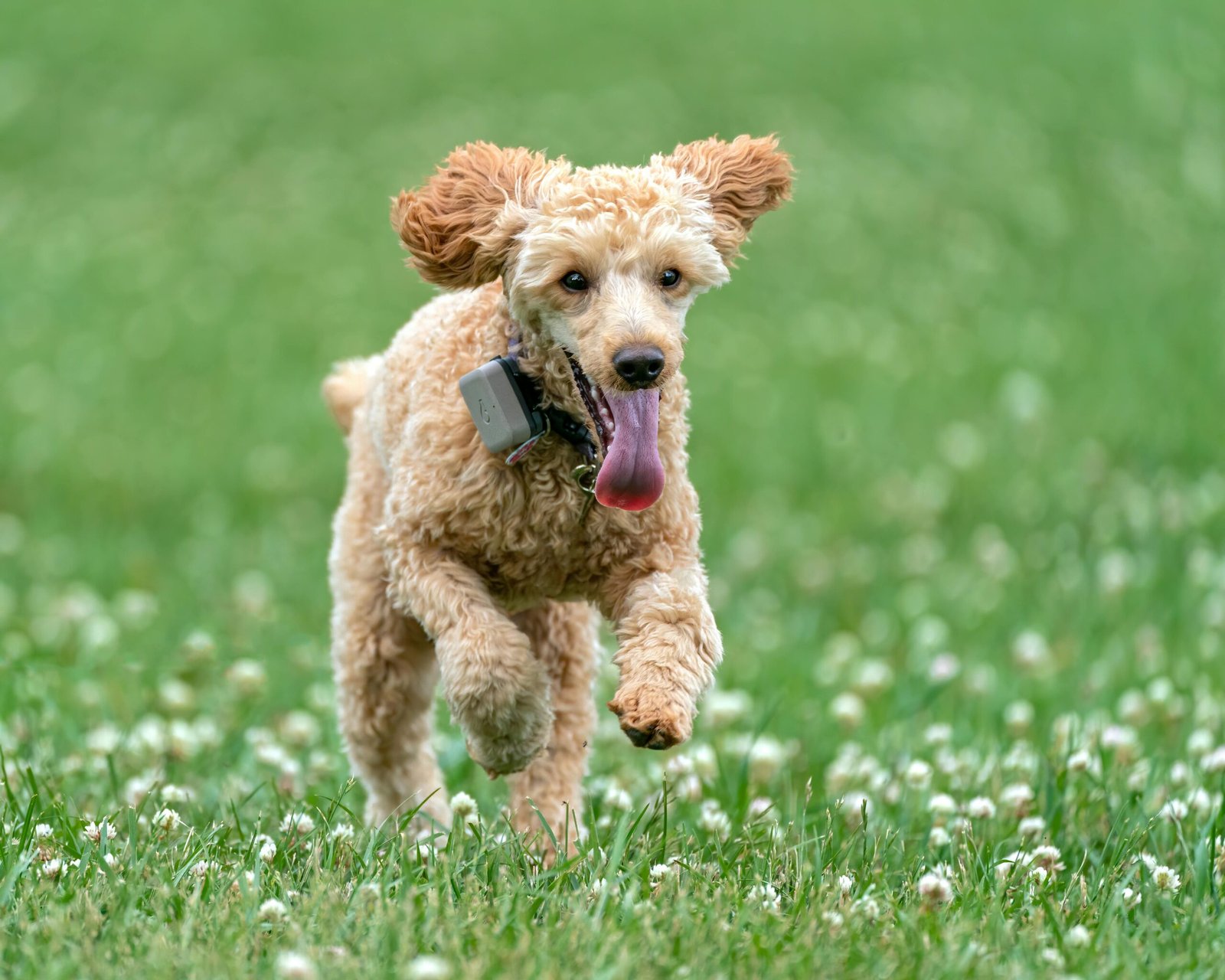
GPS dog fence technology promises a simple, wire-free way to keep your small dog safe—without digging up your yard or risking escape. But are these systems really as accurate and reliable as the ads claim, especially for renters and owners of small breeds? Below, we cut through the hype, spotlight the real-world limitations, and give you a practical buyer’s guide to choosing the right GPS dog fence in 2025.
Key Takeaways
- GPS dog fences are flexible and easy to set up, but real-world accuracy can drift by up to 16 feet, especially for small dogs or in cluttered yards.
- Most problems stem from GPS drift, signal dead zones, battery life issues, and hidden costs—test thoroughly before committing.
- Demand detailed specs, independent test data, and a risk-free trial before buying any virtual dog fence collar.
- Quick overview — What a GPS dog fence is and why owners choose them
- Step-by-step guide: Choosing and testing a GPS dog fence
- Advanced analysis & common pitfalls: Accuracy, drift, and review complaints
- Conclusion: Bottom line advice before you buy
- FAQ
Quick overview — What a GPS dog fence is and why owners choose them
A GPS dog fence, also called a virtual dog fence, creates an invisible yard boundary using GPS signals—no buried wires required. You map your “safe zone” on an app, and the collar alerts (or even corrects) your dog if they leave the area. This technology is popular with renters, people with oddly shaped lots, or those tired of digging trenches for underground wires. While the upfront cost ($400–$1,500) can be higher than wired systems, there’s no installation hassle and settings can be changed in minutes. Beware, though: some brands require ongoing cellular or app subscriptions, which add to the total cost.

Step-by-step guide: Choosing and testing a GPS dog fence
Getting a wireless GPS dog fence that actually works—especially for a small dog—requires digging deeper than most “best of” lists. Here’s how to make a data-driven decision and set yourself up for success:
- Clarify your needs and space. Small or treed yards, renters, and “hard escape” dogs all benefit differently. If your lot is surrounded by tall buildings or dense foliage, expect higher GPS drift.
- Screen for critical specs. Look for:
- Battery capacity (mAh) and average runtime (aim for at least 12 hours’ real use) and rated charge cycles.
- Collar weight and dimensions—many GPS collars are too heavy or bulky for dogs under 15 lbs.
- Update frequency (Hz)—fast-moving dogs need 5 Hz or more; Halo offers up to 20 Hz updates [source].
- Correction latency—ideally <1 second between GPS fix and alert.
- Water/dust resistance (IP rating); IP-68 is best for all-weather use.
- Return/trial period, warranty (at least 1 year), and multi-dog scalability.
- Exact cellular subscription and app costs (some charge per dog or per zone).
- Data privacy and independent test data.
- Ask for real-world test results. For example, SpotOn provides independent GPS expert validation [source].
- Plan a trial—before you commit. Most top systems offer a money-back trial (14–45 days). Use this to:
- Walk the perimeter morning, noon, and night with the collar in hand; observe signal strength changes and distance-to-alert at each boundary marker. Expect drift of up to 16 feet, especially with trees or buildings present [source].
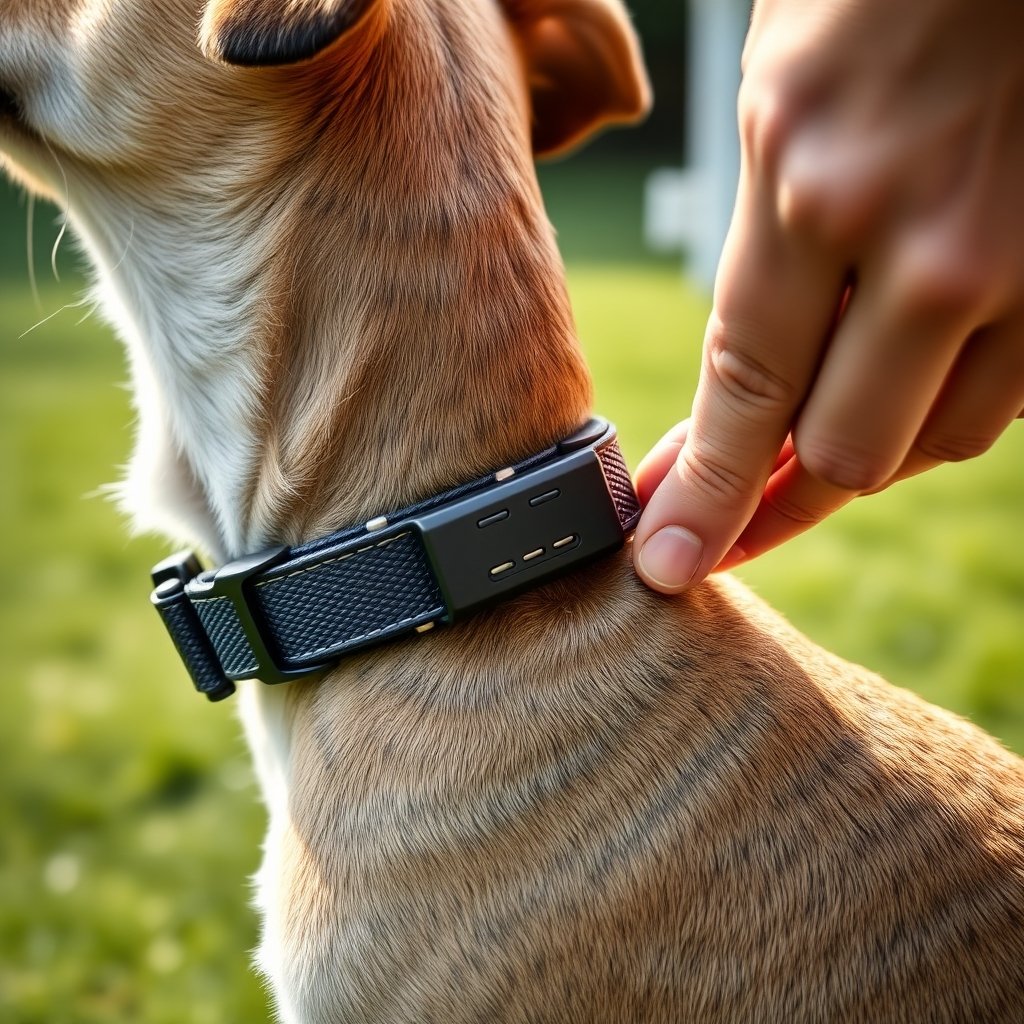
- Fit and test the collar on your small dog. On little breeds, collars may shift or sit close to the body, blocking the antenna and causing boundary errors.
- Check battery life by simulating a full day’s movement. Some modules need daily recharging, which can be a dealbreaker if you forget.
- For multi-dog homes, test for interference and alert accuracy with all devices activated at once.
- Monitor common trouble spots:
- Areas near fences or large metal objects (which can worsen boundary shifts).
- Dense vegetation or “urban canyon” settings, which degrade GPS accuracy.
- Quick starts and sprints. Fast dogs can cross an unstable boundary before the collar triggers an alert, especially at low update rates.
- Plan for training and backup. Even the best GPS fence requires training for your dog—and human backup is mandatory during the adjustment phase.
For more detailed electrical and installation tips for other home systems, see our guides on whole home generator installation or EV charger home installation.
Advanced analysis & common pitfalls: Accuracy, drift, and review complaints
Despite rapid tech advances, even the best wireless GPS dog fence comes with tradeoffs—some of which aren’t obvious until you see them in your own yard. Here’s what our research and user reviews from 2024–2025 reveal:
- GPS drift and signal loss — All GPS dog fences can shift boundaries by 3–16 feet. SpotOn’s 99.3% containment is only achieved in open sky with a recommended buffer zone, while legacy models can drift ±5–13.5 meters [source]. Canopy, fences, and urban obstructions magnify drift and “ghost” alerts.
- Latency and false corrections — Delayed GPS updates (low Hz rate) mean your dog may cross a virtual fence before the collar processes the location, triggering a late (and unfair) correction.
- Batteries and recharging — Many collars require daily charging. Short battery life leads to frustrated owners and occasional unprotected dogs.
- Subscription traps — Watch for hidden app or cellular costs, especially if you want tracking or want to add more dogs. Some systems lock features behind paid plans.
- Fit and antenna issues for small dogs — Research shows that collars resting close to the body, as on smaller breeds, can block GPS signals and give inconsistent boundaries. This is a common complaint in reviews by fit the collar small dog owners.
- Limited warranty and returns — Many premium brands only offer a 1-year warranty and enforce strict return windows, so test thoroughly.
| Feature | GPS (wireless) Fence | Wired Underground Fence |
|---|---|---|
| Boundary Consistency | Varies up to 16 ft (drift) | Within inches (very consistent) |
| Portability & Setup | Easy, no digging | Requires trenching/wires |
| Best For | Large open yards, renters, trial setups | Small yards, dense canopy, escape artists |
| Ongoing Costs | App/cell subscription, batteries | Wire repairs, minimal otherwise |
| Common Complaints (2024–2025) | False alerts, inconsistent boundary, battery life, subscriptions, fit for small dogs | Broken wires, cost to move system |
For specialized dog needs, including multi-pet homes or home office setups, check our related coverage on pet and garden design or smart furniture solutions.

Conclusion: Bottom line advice before you buy
A GPS dog fence can be a smart, flexible containment solution for renters and small dog owners—when you know the real tradeoffs. Insist on detailed specs, independent accuracy data, a generous trial period, and honest discussion about performance in challenging environments or with small breeds. Most importantly, test the system yourself with your dog, in your actual yard, before making it permanent. Remember: the GPS dog fence market is improving quickly, but no wireless system is flawless. Your peace of mind depends on a solution that’s proven—by you—in the real world.
If you want to maximize value and avoid regret, review our guides on heat pump water heater savings or garage conversion ADUs for more high-impact, research-driven home investments.
FAQ
How accurate is a GPS dog fence in real-world use?
Top systems like SpotOn and Halo report 96%–99.3% containment in open yards using dual-frequency GNSS. In real yards—with trees or buildings—expect 3–16 ft of drift.
Are GPS dog fences safe and reliable for small dogs?
They can work, but collar fit and antenna placement are critical for dogs under 15 lbs. Some collars are simply too bulky for tiny breeds and may deliver false alerts due to weak GPS reception.
What hidden costs should I watch for?
Beware of recurring subscription fees (cellular tracking, advanced app zones), short warranty periods, and expensive battery replacements. Always ask for a full cost breakdown up front.
How do I test a GPS dog fence before committing?
Use the trial period to walk the boundary at different times, through canopy, and near buildings. Fit check the collar on your dog and monitor battery performance. Document false alerts and drift.
Can I use a virtual dog fence collar with more than one dog?
Some brands allow multi-dog support, but this often costs extra. Always confirm multi-dog compatibility and subscription impact before buying.
—