

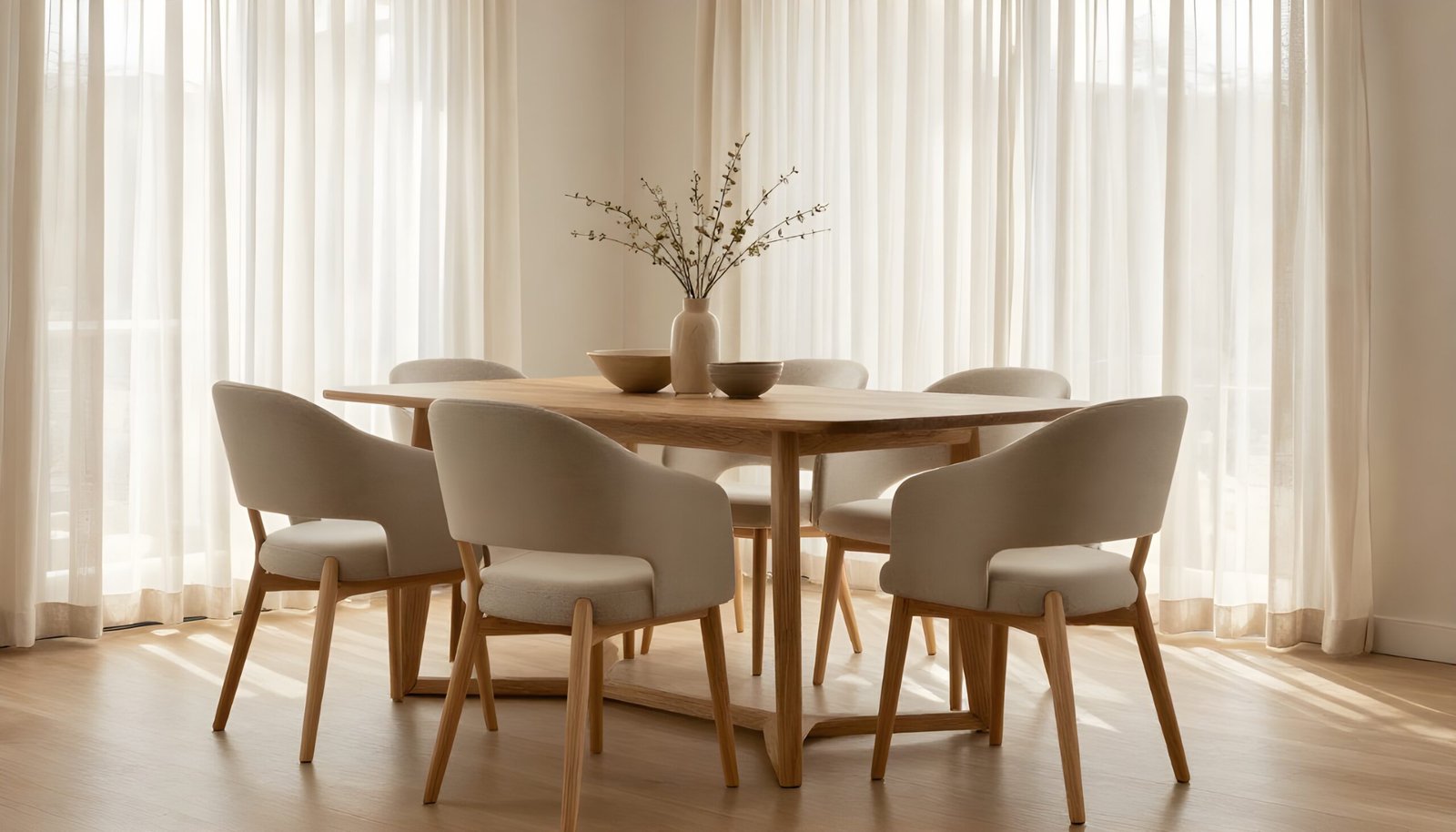
Japandi dining chairs are surging in popularity—and not just for their looks. If you’re planning to upgrade your dining space with a minimalist, natural aesthetic that’s actually comfortable and long-lasting, this guide will cut through the noise and help you buy smart, not just stylish.
Key Takeaways
- Demand for Japandi dining chairs is at an all-time high, pushing up prices and affecting availability.
- The best Japandi furniture combines solid wood, thoughtful ergonomic design, and clear warranty/shipping policies.
- Prioritize ergonomics, materials, and durability checks—common complaints stem from ignoring these details during purchase.
- Why Japandi dining chairs are exploding in popularity
- How to confidently choose and buy Japandi dining chairs: Step-by-step
- Advanced analysis: Pitfalls, durability & cost breakdown
- Conclusion
- FAQ
Why Japandi dining chairs are exploding in popularity
Japandi dining chairs have quickly become the centerpiece of modern dining rooms—and for good reason. This hybrid design marries the cosiness of Scandinavian interiors with the minimalism of Japanese craftsmanship. In 2024, the online search interest for “Japandi dining chair” jumped over 180% from 2022 levels, and e-commerce sales in Japandi-style dining collections rose about 12% year-over-year (source).
The hype isn’t just social media deep. Influencers, real-world buyers, and design houses all gravitate to Japandi for its uncluttered look and honest use of materials. The premium price point appeals to those focused on lasting value and a serene, cohesive space—especially in the smart furniture and multi-use space trends. However, that popularity also means you’ll face stiffer competition for the best products, higher average prices, and more copycat listings with questionable quality. That’s why data-driven selection is now non-negotiable.
Don’t assume a minimalist chair is always comfortable or durable just because it’s labeled “Japandi.” This guide unpacks what truly makes a Japandi chair—and helps you filter hype from substance.
How to confidently choose and buy Japandi dining chairs: Step-by-step
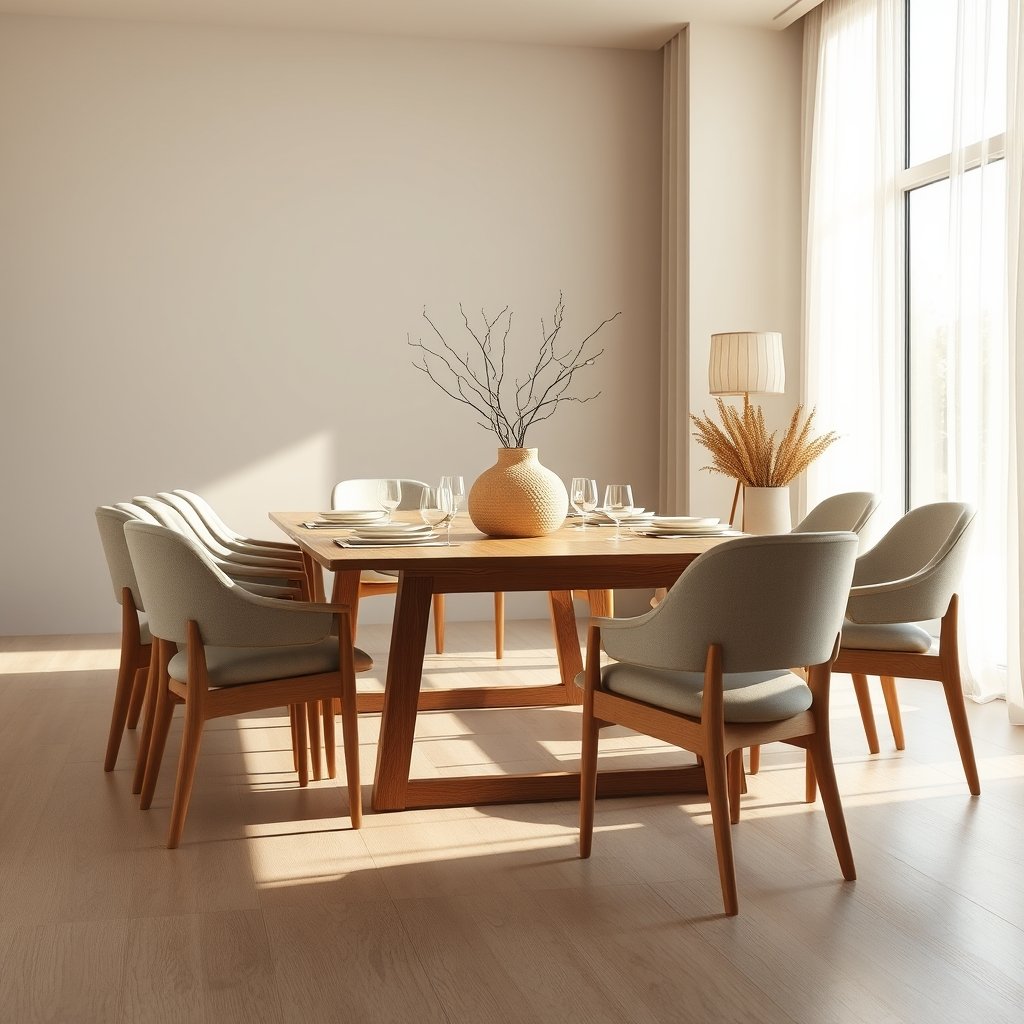
Use this practical, stepwise approach to avoid buyer’s regret and get Japandi dining chairs that actually work for your daily life and space.
- Measure your dining area realistically.
- Leave at least 24″ breathing room behind each chair for push-back and walkways.
- Aim for 6–8″ between chairs for comfort.
- Identify how you’ll use your chairs.
- Daily family meals? Prioritize durability and easy-to-clean finishes.
- Long dinner parties? Focus on ergonomic seat depth, backrest angle, and cushion firmness.
- Occasional entertaining? Aesthetics and easy storage may trump super-plush seating.
- Assess true Japandi design features.
- Look for clean, tapered light oak or walnut frames—not heavy, squared-off legs or mass-market imitations.
- Muted, natural fabric or leather upholstery signals wabi-sabi restraint. Bold colors look off-brand.
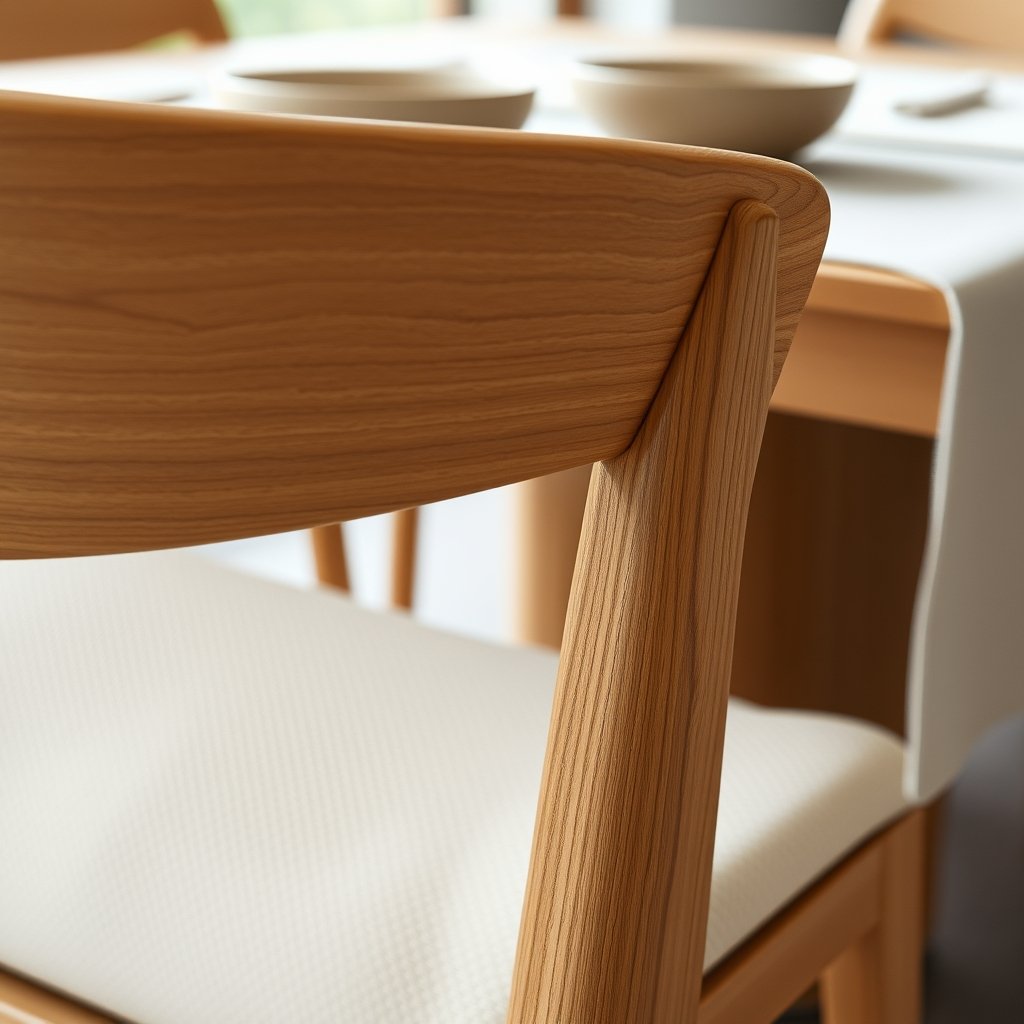
- Subtle organic curves and visible wood grain are typical of authentic Japandi pieces.
- Evaluate ergonomics in person or via reviews/spec sheets:
| Feature | Recommended Range | Why It Matters |
|---|---|---|
| Seat Height | 17–19″ | Aligns with standard dining tables (28–30″) |
| Seat Depth | 16–18″ | Too deep: posture strain. Too shallow: discomfort. |
| Backrest Angle | 100–105° | Supports upright sitting without slouching |
| Foam Density | 1.8–2.2 lbs/ft³ | Higher = longer-lasting, less sagging |
| Cushion Firmness | Medium-firm | Prevents both bottoming out and numbness |
- (*continued*)
- Verify frame and finish quality.
Ask if chairs are solid wood (best), hardwood veneer over plywood (acceptable at midrange), or MDF/fiberboard (avoid for longevity). Insist on clear specs—genuine light oak dining chairs Japandi offer better durability than thin veneers. - Check shipping, assembly, and warranty terms upfront.
- Is delivery “white glove” (room and unpacking) or curbside?
- How long will you wait for item-in-stock vs. pre-order?
- Return window? Coverage for finish flaws or missing hardware?
- Compare warranties and sustainability.
- Is the set or chair FSC-certified or documented as sustainably sourced?
- Does it use low-VOC finishes, or offer certified eco-friendly claims?
- Calculate realistic cost-per-year. For example, a set costing $1,600 with a 10-year expected lifespan, plus $150 in maintenance and $100 assembly, works out to $185/year. A $600 budget set lasting 3 years comes to $200/year (often with more repairs and disposal costs).
- Read buyer reviews for comfort, delivery, and post-purchase support.
- Look for patterns: repeated complaints on finish damage, missing bolts, seat firmness, or poor assembly are warning signs.
- If buying a full Japandi furniture set (for a cohesive Japandi furniture living room or dining room), ensure style and finish are consistent—even across batch orders. The best sets offer matching sideboards, benches, and tables; compare material continuity carefully (example sets here).
For more practical furniture-buying checklists, see our savings guide on heat pump water heaters and our bathroom remodel safety checklist.
Advanced analysis: Pitfalls, durability & cost breakdown
Common buyer pitfalls with Japandi dining chairs
Even with strong reviews, many buyers report three recurring problems:
- Insufficient ergonomics: Many listings gloss over actual dimensions, seat depth, or foam density. As a result, some buyers experience discomfort that makes the chairs get less use—especially through long dinners.
- Durability and finish risks: A leading complaint in 2024–25 is premature wear or noticeable scratches on “natural” wood. Low-quality veneer, especially on budget models, chips easily and may delaminate with moderate use. Solid light oak and quality beech frames last far longer and retain their wabi-sabi character.
- Fragmented delivery and assembly: Split shipments, miscoded SKUs, and missing hardware put a damper on the buying experience. Delayed or botched assembly adds unexpected costs—even on premium orders. For a stress-free setup, clarify if assembly is required and what exactly arrives in each package before buying.
Material & Finish Comparison Table
| Wood Type | Typical Use | Durability | Finish Options | Maintenance | Notes |
|---|---|---|---|---|---|
| Solid Oak (light/white) | Frames, seats | Excellent | Oil, Natural Wax | Periodic re-oil | Classic choice for Japandi; ages gracefully |
| Walnut | Frames, highlights | Very Good | Oil, Lacquer | Wipe, re-oil as needed | Richer tone, modern contrast |
| Beech | Lower-cost frames | Good | Lacquer | Wipe clean | Uniform grain; lighter weight |
| Veneer on plywood | Budget/mid options | Variable | Lacquer | Delicate; can chip | Avoid for high-traffic families |
| MDF/Particleboard | Budget sets | Poor | Paint/Laminate | Wipe only | Not recommended—shortest lifespan |
Cost breakdown: While Japandi dining chairs often cost more upfront (e.g., $250–$750 each; $900–$3,000+ for a japandi style dining table and chairs set), the cost-per-year can be lower than lower-priced but short-lived alternatives. Don’t overlook the full ownership cost—factor in assembly ($0–$250), annual finish maintenance ($20–$80/year for oils or waxes), and potential repair/replacement if using lower-quality materials.
Best-in-class Japandi chair combos for practical use:
- Light oak solid-wood minimalist chair: unmatched for longevity and consistent “Japandi” styling—ideal for families who want a no-fuss, always-on look.
- Cushioned “wabi-sabi” dining chair: pairs comfort (for extended meals) with lived-in appeal; choose high-density foam.
- Compact, curved-back side chair: works for smaller dining rooms or apartments; easy to rearrange for multi-use spaces like those seen in modular sectional sofa setups.
- Full Japandi furniture set: best for those who want instant consistency across dining and living; just make sure component materials actually match (don’t buy sight unseen).
If you’re prioritizing long-term value, invest in authentic solid wood pieces with documented FSC or sustainability credentials (FSC certification info). Budget sets with thin veneers may save now, but often disappoint on comfort, stability, and finish durability within a few years.
Conclusion
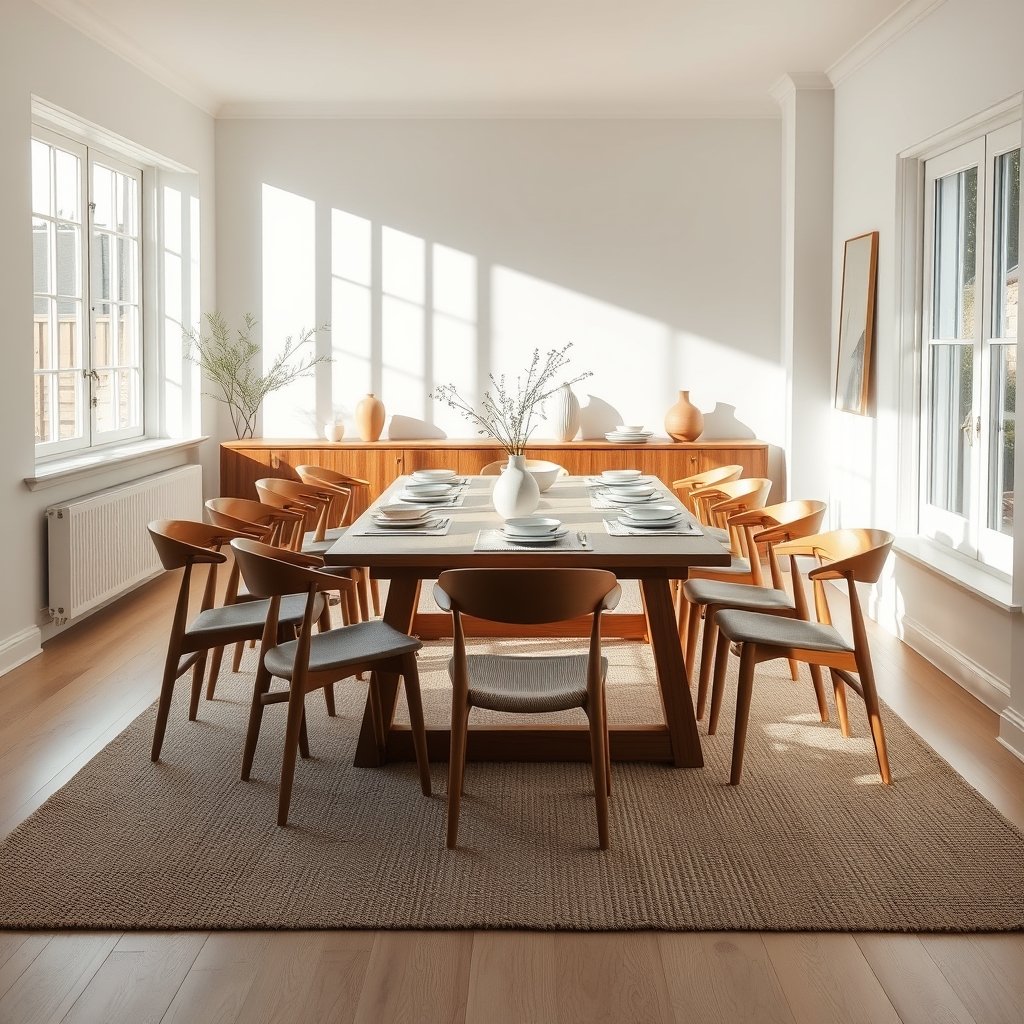
Japandi dining chairs are more than a social media trend—they’re a practical investment for modern living when you apply ergonomic, durability, and real-world purchase criteria. Review ergonomic specs, prioritize solid or well-constructed frames, carefully confirm shipping and warranty details, and always assess the full cost-per-year rather than sticker price. With this checklist and transparent approach, you’ll enjoy the depth and comfort of Japandi style for years. Compare Japandi dining chairs thoroughly before clicking “buy”—the right chair is out there for every space and budget.
Still exploring? We recommend comparing sideboard and bench options within your Japandi furniture living room or Japandi dining furniture set selections to ensure cohesive results.
FAQ
How do I check if a Japandi chair will actually be comfortable for long meals?
Review the listed seat height (ideally 17–19″), seat depth (16–18″), and look for medium-firm high-density foam (1.8–2.2 lbs/ft³). Genuine ergonomic details are rarely overlooked by reputable brands—request dimensions or user reviews if missing.
What wood type is best for longevity and maintenance?
Solid light oak dining chairs Japandi (or solid walnut) offer the best long-term durability and resist daily wear better than veneer or MDF constructions. Natural oil or wax finishes allow for easy touch-ups. Veneer is fine for low-traffic but scratches/chips easily.
What are the biggest delivery and assembly issues to watch for?
Common headaches include split shipments (packages arriving on different days), missing hardware, and vague assembly instructions. Confirm what’s included and choose “white glove” delivery when possible for complex Japandi furniture set orders.
How can I keep my Japandi dining chairs looking their best?
Wipe with a barely damp cloth and re-oil natural wood 1–2 times a year. For small scratches, use a touching up small scratches and wear. Avoid harsh chemicals—mild soap is sufficient. Periodic checks help catch problems early.
Where should I buy to avoid quality and service problems?
Look for direct-to-consumer specialists, established design retailers, or curated marketplaces with transparent specs, clear return policies, and detailed buyer photos. Avoid shadowy or poorly reviewed resellers—great deals often skimp on finish and support.
For re-oiling and maintaining natural wood finishes, choose oils specifically designed for solid wood to extend longevity and retain the authentic look of your Japandi dining chairs.
Simple tricks for preventing floor scratches and protecting chair legs: add felt pads under every chair, especially if your dining room has hardwood or tile floors.
Upgrade seat experience by adding comfort for long dinners with medium-firm, high-density foam cushions that include ties for secure placement.
Complete the Japandi vibe by improving ambient lighting for dining spaces using dimmable slim LED floor lamps that complement minimalist aesthetics.