

The best xeriscaping ideas focus on reducing water use while keeping your yard attractive and easy to maintain.
Xeriscaping ideas are changing how homeowners cut water bills and reduce outdoor maintenance for good. If you’re tired of sky-high summer bills and week after week of mowing, it’s time to learn exactly how a budget-first, truly drought-proof landscape works—and what it really takes to succeed.
Key Takeaways
- Switching to xeriscaping can cut your outdoor water use by 50–70%, saving you about 120 gallons every single day and slashing your water bill by $22/month or more.
- Do-it-yourself, budget-minded xeriscaping works best when you group plants by water needs, use local rebates, and avoid the most common pitfalls—like over-watering or poor irrigation upgrades.
- Upfront costs pay for themselves in a few years through water and maintenance savings, but careful planning is needed to avoid being part of the 17% whose water use actually goes up post-conversion.
- Why Xeriscaping Works — water, money and environmental wins
- Phase-by-phase DIY plan to convert any lawn (fast, medium, slow tracks)
- Realistic tradeoffs — upfront costs, the learning curve and the 17% caveat
- High-impact, low-cost design rules everyone misses
- Affordable plant palette — proven low-cost, pollinator-friendly picks
- Irrigation on a budget — what to keep, what to replace, and smart add-ons
- Sample ROI math (small, medium, large yard) — how long until you recoup costs
- Xeriscape landscaping on a budget — 10 tactical, low-cost moves
- Quick troubleshooting — top complaints and how to fix them
- Mini case studies (templates the writer can flesh into 3 short stories)
- Maintenance calendar — first 24 months and ongoing tasks
- Rebates, permits and trusted resources (where to get local help)
- Quick FAQ — answers to the top user questions
- Call to action + downloadable 7-step checklist (audit + 90-day plan)
Why Xeriscaping Works — water, money and environmental wins
Many xeriscaping ideas can be implemented on a small budget and still deliver major water savings.
Xeriscaping is a landscaping technique that replaces thirsty turf grass with drought-tolerant plants, rocks, and affordable mulch, strategically designed to maximize water efficiency. The core benefit is simple: a standard lawn demands up to 60% more water than a properly installed xeriscape. On average, homeowners who convert save around 120 gallons of water per day—or 42,000 gallons every year—plus roughly $22 a month on their water bill and over $500 annually on mowing and chemical maintenance. Not only are you slashing costs, but you’re sharply reducing runoff and helping your local environment.
These xeriscaping ideas work in both dry and moderate climates when plants are matched to local conditions.
Xeriscaping isn’t “zero-scape” (dead rocks and no green!). It means rethinking which plants you use, where you put them, and how your irrigation system works. A well-designed xeriscape brings lasting curb appeal, attracts pollinators, and can boost overall property value.
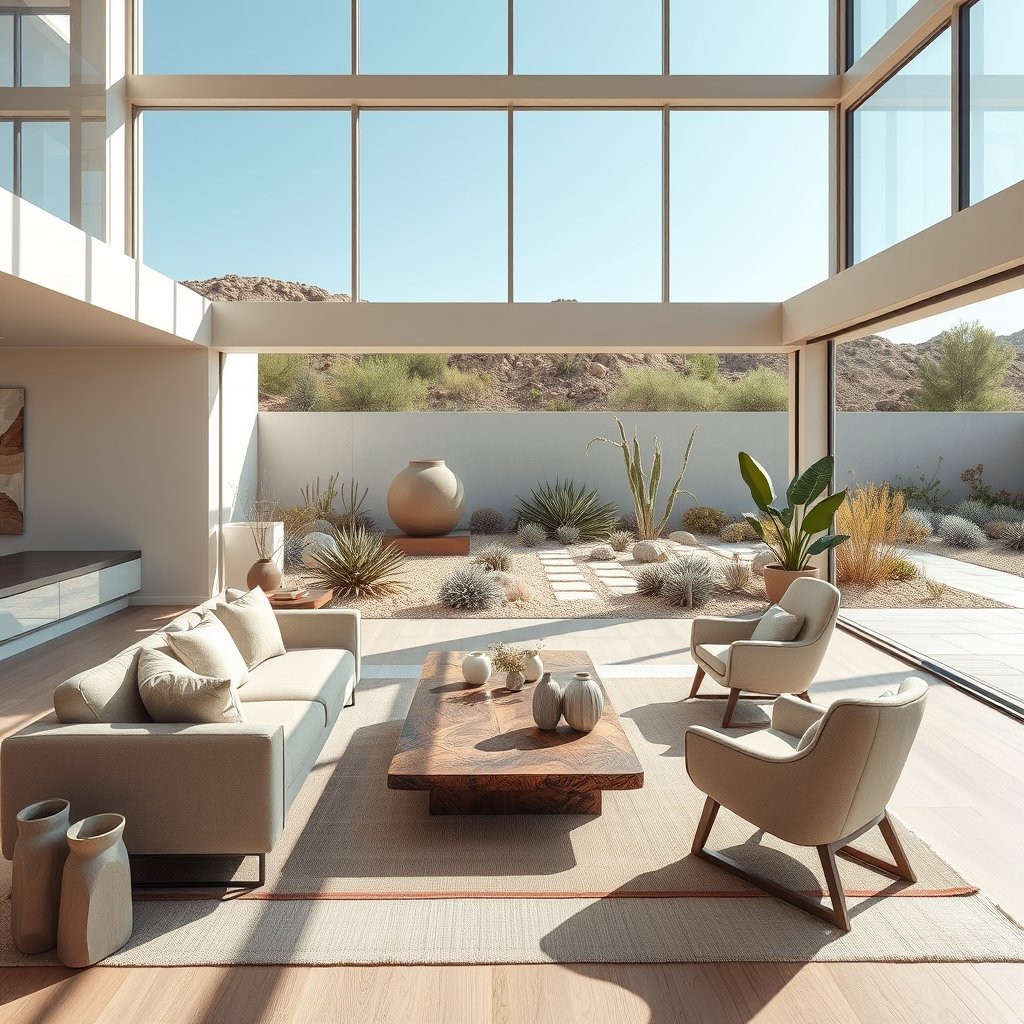
Research out of California and Nevada shows municipal turf replacement rebates now range from $0.45 to $1.00 per square foot. That rebate can cover a big chunk of your first-year costs if you plan your project to the program’s requirements.
For more on nature-inspired outdoor design, see our Biophilic Furniture: 7 Best Ways To Transform Home guide.
Phase-by-phase DIY plan to convert any lawn (fast, medium, slow tracks)
Successful xeriscaping ideas are usually completed in phases rather than all at once.
A true budget-first xeriscaping project works best when you tackle it step-by-step. Here’s how to approach your yard in realistic, manageable phases—whether you want to make big changes fast, or ease in over a year:
- Weekend Starter: remove sod a small 100–200 ft² strip or a parking strip; solarize or remove sod, test soil, add compost.
- 3-Month Partial Conversion: Tackle 20–40% of the front or back yard. Lay out hydrozones (grouping by water need), retrofit irrigation (basic drip lines or bubblers), plant core species, apply 2–3″ of mulch.
- 12-Month Full Conversion: Replace the entire lawn in phases. Segment turf removal to keep it manageable, improve soil in stages, do a zone-by-zone irrigation upgrade. Plant in fall or spring for best root establishment, top up mulch, monitor for weeds and do selective propagation for year two fill-in.
For budget reference, professional costs run $5–20 per square foot, but focused DIY with smart plant choices can get you below $3–$6/ft² on small projects. Most suburban yards will fall in the $3,000–$17,000 range (DIY vs. pro; partial vs. whole). For more ideas, explore our Pollinator Garden Design: 7 Best Ways To Boost Bees post for companion plant picks.
These xeriscaping ideas help homeowners avoid large upfront costs.
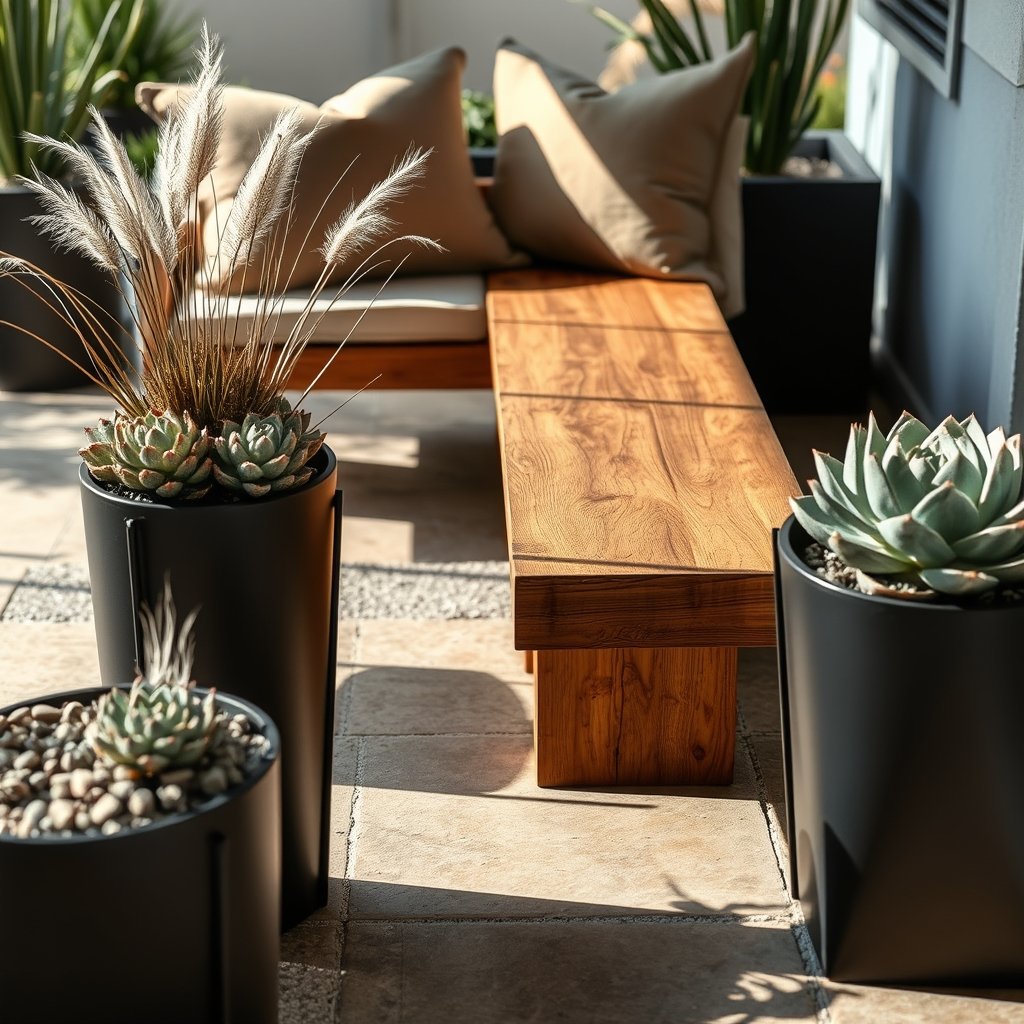
Need to replace turf but want a budget-friendly, resilient green space? See our in-depth Drought Tolerant Grass Seed: 3 Best Ways to Save Water guide for alternatives to classic sod.
Realistic tradeoffs — upfront costs, the learning curve and the 17% caveat
Not all xeriscaping ideas produce immediate results, so patience is important.
While xeriscaping ideas promise immediate savings, there are honest tradeoffs you should be aware of:
- Startup investment: Even DIYers face costs for turf removal (tools, disposal), irrigation upgrades, and initial plant materials. Expect $2,500 and up for a small front yard, unless you phase work carefully and maximize rebates.
- Skill and planning curve: Mistimed plantings, poor soil prep, or ignoring hydrozones can erase water savings. Figure a few weekends of research and layout planning to get it right.
- The 17% pitfall: Studies from Nevada and Texas found about 17% of “early adopters” actually used more water after conversion—almost always due to either junky drip systems, overwatering, or planting high-water species by accident.
- Ongoing learning: It can take a season or two to dial in irrigation intervals and learn which low-water plants really thrive in your microclimate.
Comparing options helps clarify what to expect. Here’s a simple breakdown:
| Factor | Traditional Turf Lawn | Xeriscaping |
|---|---|---|
| Initial Cost (500–1200 ft²) | $0 (existing) | $3,000–$17,000 (DIY–pro) |
| Water Use | 100% | 30–50% |
| Annual Water Bill | $350–$400 | $90–$140 |
| Maintenance Cost | $500+ per year | $50–$100 per year |
| Time to Maintain | ~40 hours/year | ~8–16 hours/year |
| Common Problems | Weeds, pests, dull mower | Plants dying if overwatered, emitter clogs |
Maintenance gets much easier, but be ready for a learning curve. You shouldn’t expect the whole yard to look “perfect” the first summer.
High-impact, low-cost design rules everyone misses
The most effective xeriscaping ideas start with proper hydrozoning.
The fastest way to see visible savings—and avoid that 17% “rebound”—is to group every plant by its true water need (“hydrozoning”). Place all drought-tolerant species in the driest areas, and only cluster semi-moisture lovers where they’ll get some shade or runoff. Avoid scattering “green islands” of turf, as these are expensive and require separate irrigation. Use mulch (preferably repurposed from your site or leaves) at least 2 inches deep. Keep all hardscape to a minimum—paths and boulders add structure, but aim to use recycled stone where possible and avoid paving whole sections.
Try planting in thick blocks for best weed suppression and water holding. Quick tip: propagate cuttings and encourage self-seeding (see below) to fill beds faster and cheaper. Don’t forget microclimates—a sunny south wall acts different than a cool east-facing border.
Many homeowners overlook simple xeriscaping ideas such as deeper mulch and grouped planting.
Affordable plant palette — proven low-cost, pollinator-friendly picks
Budget-friendly xeriscaping ideas often rely on plants that self-seed or spread naturally.
Here’s a shortlist of drought-tolerant, rugged, and pollinator-friendly plants that thrive in most suburban U.S. settings, all while keeping costs down (thanks to division, self-seeding, or runner habits):
- Coneflower (Echinacea): Purple-pink blooms, self-seeds easily, loves full sun, supports bees and butterflies.
- Russian Sage: Long lavender flower spikes, thrives in heat, very little water needed, can propagate by stem cuttings.
- Sedum (Stonecrop): Low-growing, ideal for borders, spreads by division, bee magnet.
- Bee Balm (Monarda): Showy blooms, divides easily, attracts pollinators.
- Thyme (creeping and upright): Edible groundcover, propagates by division or cuttings, tolerates moderate foot traffic.
- California Poppy: Hardy annual, mass-seeds itself, minimal water, vivid orange flowers.
- Blanket Flower (Gaillardia): Spreads readily, drought-proof, long summer color.
- Blue Grama Grass: Native ornamental grass, survives severe drought, spreads by seed.
For best results, mix 60% perennials and 40% annuals so new color returns every year. Propagation matters: ask at your local nursery for division or cuttings, or use Native Plants Nursery: 7 Best Ways to Save Money to find local sources for cheap regional natives.
Propagate as you go: cut established sedum or Russian sage into rootable chunks and replant in bare zones the following season—huge savings over buying gallons of pots.
These xeriscaping ideas reduce replacement costs over time.
Irrigation on a budget — what to keep, what to replace, and smart add-ons
Smart irrigation remains one of the most valuable xeriscaping ideas for long-term savings.
Many rebate programs require improved irrigation. But “smart” doesn’t have to mean expensive! Save by:
- retrofitting basic drip lines for beds. Kits run under $100 for ~200 ft².
- Installing simple bubblers at shrub zones (skip sprinklers).
- Adding rain sensors or “smart soil-moisture controllers”—some are app-enabled and cost less than $75.
- Keeping existing turf areas on a separate zone so you can phase them out later without redoing the whole system.
Critical maintenance: check drip emitters monthly for clogs and flush lines seasonally. Drip clogging and over-watering are the main causes behind that 17% “water use rebound.” If cash is tight, start manual and upgrade controllers when rebates allow.
For more water-saving upgrades outside the landscape, check out our guide on heat pump water heater rebates and energy efficiency.
Sample ROI math (small, medium, large yard) — how long until you recoup costs
Among all xeriscaping ideas, reducing irrigation demand creates the fastest return on investment.
The payoff can be fast—if you avoid major pitfalls. Example math using real-world figures:
| Yard Size | Install Cost | Rebate (@ $1/ft²) | Net Cost | Yearly Water + Maint. Savings | Payback Window |
|---|---|---|---|---|---|
| Small (500 ft² front yard) | $6,000 | $500 | $5,500 | $760 | ~7.2 years |
| Medium (1,200 ft² full lawn) | $17,000 | $1,200 | $15,800 | $760–$1,200 | ~13–15 years |
| Large (3,000 ft²) | $25,000+ | $3,000 | $22,000+ | $1,200–$1,800 | ~12–19 years |
DIYers and those using aggressive plant swaps/propagation can halve these payback times. Plus, factoring in avoided headaches from dead turf and failed sprinkler heads changes the calculation even further in favor of xeriscaping ideas.
Xeriscape landscaping on a budget — 10 tactical, low-cost moves
The following xeriscaping ideas are practical, affordable, and beginner-friendly.
- Do the work in phases—fix one bed or zone at a time.
- Reuse soil and chop old turf into compost to cut amendment costs.
- Use plant division, cuttings, and swaps—propagate your own.
- Prioritize self-seeding and runner species for spread.
- Buy plant plugs instead of gallons for bulk areas.
- DIY mulching: leaves, grass clippings (weed-free), or cardboard sheet mulch under wood chips.
- DIY rock or gravel paths; source recycled stone from local resellers or demolition sites.
- Focus first on high-visibility focal points instead of tackling the whole yard at once.
- Scout local upcycling and plant-exchange groups.
- Always apply for turf-replacement rebates—these often pay $0.45 to $1.00 per ft².
More DIY and cost-saving ideas in our Garage Conversion ADU ROI breakdown guide.
Quick troubleshooting — top complaints and how to fix them
Many xeriscaping ideas fail because of overwatering rather than underwatering.
- Soggy, dead, or patchy spots? Likely overwatering or blocked drip lines. Check and clean emitters monthly; reduce irrigation frequency—xeric plants hate wet feet.
- Weed flush after turf removal? Never skip mulching. Apply 2–3″ of mulch and hand-weed aggressively for the first season. Use cardboard sheet mulch under beds if weeds persist.
- Plant failure? Check soil drainage—amend with compost for compacted soils; move obviously struggling plants to a shadier or drier zone depending on the species needs.
- Aesthetic dissatisfaction? Plant en masse for impact, use different foliage textures, and focus color where it counts. Consider working with a landscape designer if you’re truly stuck—it can be a one-time, low-fee consultation.
- Feeling stuck? Use university extension resources or join a local xeriscaping group before you rip out another lawn section.
Mini case studies (templates the writer can flesh into 3 short stories)
These real-world examples show how xeriscaping ideas can work across different yard sizes.
Small Front Yard (500 ft²)
- Issue: High water bill, constant brown patches.
- Phases: Weekend sod removal, 2 hydrozones, drip upgrade, 7 plant species from swaps.
- Cost: $2,800 (DIY), $500 rebate.
- Year 1 savings: $270 (water), $150 (mowing/fertilizer).
- Lesson: Early over-watering—fixed with new timer.
Suburban Full Lawn (1,200 ft²)
- Issue: HOA wanted “green”, but owner needed savings.
- Phases: Gradual conversion over 10 months, used landscape designer for $100 hour plan review, prioritized sunny front yard, mulched thickly.
- Cost: $6,800 after rebates, $420 annual water/menu savings.
- Lesson: Grouping plants by need was key for easy care.
Desert Large Plot (3,000+ ft²)
- Issue: Dead turf, 4 sprinkler blowouts per year.
- Phases: Phased install 500 ft² per quarter, sourced native cactus/succulent cuttings from neighbors.
- Cost: $12,000 total, $2,000 in rebates.
- Year 1 savings: $650 on irrigation/maintenance, $350 on water.
- Lesson: Drip system maintenance is non-negotiable for desert climates.
Maintenance calendar — first 24 months and ongoing tasks
Consistent maintenance helps xeriscaping ideas deliver maximum savings.
Xeriscaping is not zero-maintenance, especially in year one. Here’s a month-by-month look at key tasks:
- Month 1–3: Deep watering to establish roots, weekly checks for weeds and emitter clogs, top off mulch as needed.
- Month 4–12: Reduce watering to every 7–10 days, edge beds to keep out turf, inspect for dripper function monthly.
- Year 2: Prune plants for shape and vigor, divide crowded perennials, top up mulch in spring/fall, check for system leaks or controller battery issues.
- Ongoing (post year two): Water only during dry spells, hand-weed as needed, enjoy low maintenance and fewer pest problems.
Quick win: most new xeriscapes get dramatically easier to care for after month 18. But never skip seasonal drip line checks and mulch refreshes—they prevent most water waste and maintenance headaches.
Rebates, permits and trusted resources (where to get local help)
Some xeriscaping ideas qualify for local rebates and incentive programs.
Before you start digging, check with local utilities and water agencies for available rebates (such as turf replacement at $0.45–$1.00/ft², or for irrigation upgrades). Many cities require irrigation plans or permits if you do plumbing. University ag extension services and local nurseries offer plant lists, classes, and often regional how-to events for free or minimal cost. Download and save: proof of work, receipt copies, photos—these are usually required for rebate reimbursement.
- Find turf rebate programs in your region: sample rebate requirements and levels
- Trusted plant and irrigation info: drought-tolerant landscaping best practices
- Local project planning: use municipal and extension checklists for permitting and rebate applications
Quick FAQ — answers to the top user questions
Will xeriscaping increase my home value?
Many xeriscaping ideas improve curb appeal while reducing maintenance requirements—especially in drought-impacted regions. When well-maintained, it often adds value and shortens time on market.
Can I keep a small lawn for kids or pets?
Absolutely. Many xeriscaping ideas include a limited patch of cool-season grass or drought tolerant grass in a dedicated zone. Just be sure to irrigate it separately from low-water beds.
How much water will I actually save?
Xeriscaping ideas on average, you’ll cut landscape water use by 50–70%—that’s about 120 gallons a day or 42,000 gallons a year (plus about $260 annually on your bill), based on published research and rebate programs.
Do xeriscapes require no maintenance?
No landscape is “set and forget”—but after year one, xeriscaping maintenance drops to just a few hours a month: occasional weeding, checking drip lines, dividing perennials, and refreshing mulch.
What’s the biggest mistake to avoid?
Poorly planned irrigation and ignoring plant hydrozones, can prevent xeriscaping ideas from reaching their full potential. These two missteps cause 17% of homeowners to actually use more water after switching—so audit, plan, and monitor before and after you plant.
Call to action + downloadable 7-step checklist (audit + 90-day plan)
Start with a few simple xeriscaping ideas and expand your project over time.
Ready to take the first (budget-proof) step? Download our free plan that walks you through a yard audit, no-nonsense budget worksheet, top 10 recommended plants for your climate, rebate lookup, and a proven 90-day schedule. With the right xeriscaping ideas and a focused budget plan, you can cut your outdoor water use by 50–70% and reclaim hundreds of hours over the next few years.
Download the Free Xeriscaping Budget Checklist
—