


A high-quality ergonomic home office chair helps remote professionals maintain posture, reduce fatigue, and stay productive during long work sessions.
ergonomic home office chair is not just a buzzword—it is the single most important upgrade remote professionals can make in 2026 if you want real pain relief, fewer missed days, and higher daily energy. Here is how to avoid the most common chair regrets and what research-backed features will actually improve your day-to-day comfort for the long haul.
Key Takeaways
- Remote workers switching to a certified, fully adjustable ergonomic home office chair report 30% fewer days with lower-back pain and 25% fewer sick-leave days.
- The three most underreported features that actually deliver pain relief: dynamic dual-axis lumbar support, true 5-D armrest adjustability, and integrated micro-movement (active sitting) mechanisms.
- The #1 post-purchase regret is insufficient adjustability—always verify lumbar and seat depth adjustments and budget for models with solid warranties.
- Why a certified ergonomic home office chair matters right now
- The scale of the problem — common pain patterns in home offices
- Underreported features that actually reduce back pain
- Common buyer complaints and regrets — what to avoid
- What the research says about the exact adjustments that deliver relief
- Buying for a budget — how to get meaningful relief under $500
- How to test a chair in 10 minutes (at home or in store)
- Setup & daily habits that amplify chair benefits
- Certifications, warranties and post-purchase support to demand
- Quick comparison checklist (one-page buyer’s checklist)
- Closing call to action — how to choose the right next step
- FAQs
Why a certified ergonomic home office chair matters right now
Choosing the right ergonomic home office chair can significantly reduce daily strain caused by poor sitting posture.
A certified ergonomic home office chair is not just about feeling cozy for eight hours. Clinical research confirms that remote workers who replace a basic chair with a fully adjustable ergonomic chair experience around 30% fewer days with lower-back pain and take 25% fewer back-related sick days. These reductions are not just about comfort—they represent real gains in productivity and overall health.
Unlike standard seating, which encourages slouching and compresses your spine, a home office ergonomic setup keeps you aligned, distributes pressure, and reduces risk of chronic injury over time. A high-quality, properly adjusted chair helps you keep working comfortably—without the constant cycle of stiffness, pain, and forced breaks that slow so many remote professionals down.
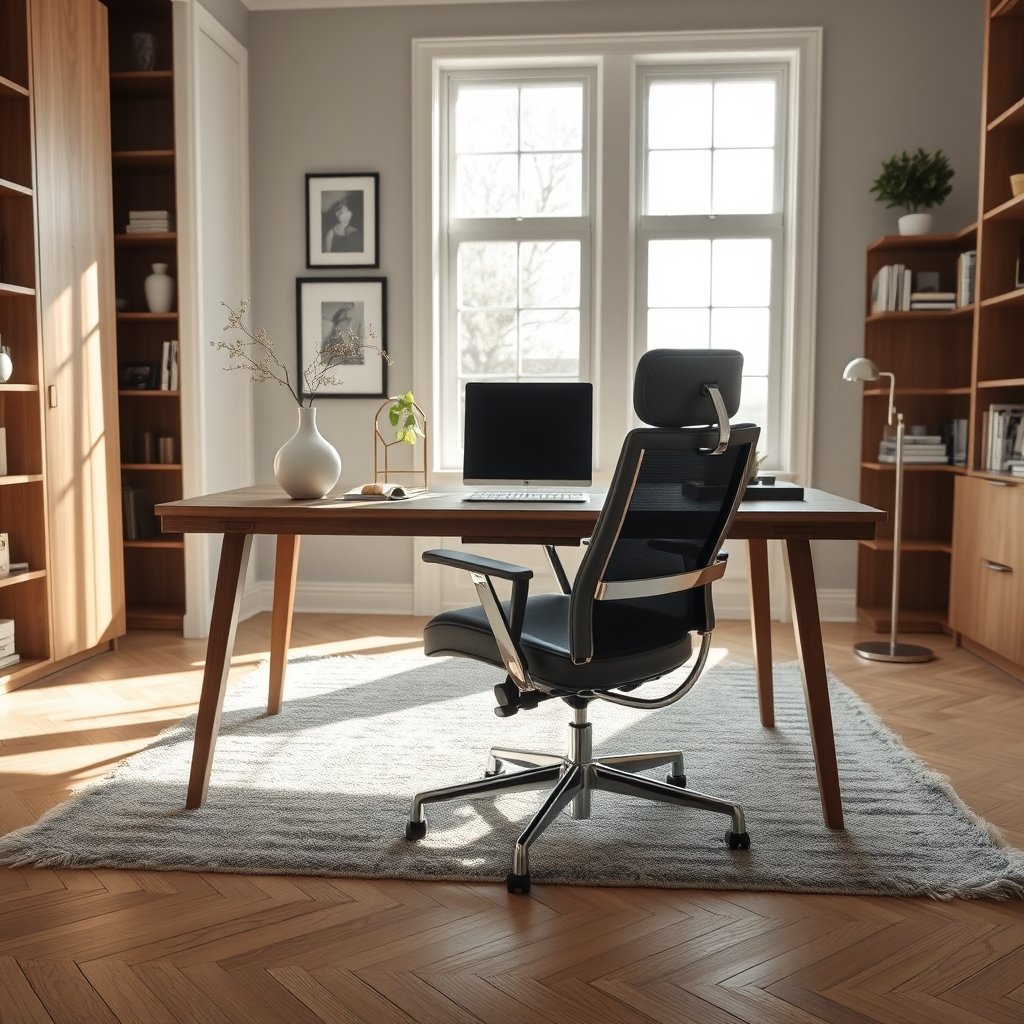
The scale of the problem — common pain patterns in home offices
Many workers underestimate how much an ergonomic home office chair impacts neck, shoulder, and lower-back health.
Pain is nearly universal when working long hours from home. A recent university-based survey of 46 remote setups found that 86% suffered neck pain, while 76% reported both shoulder and lower-back pain. The culprit? Most people use kitchen, dining, or fixed-back chairs designed for brief sitting, not intense computer work. An inadequate home office ergonomic setup quickly leads to hunching, unsupported low backs, and tense shoulders.
Chairs without proper lumbar support, adjustable armrests, or variable seat depth force the body into awkward positions for hours. This creates cumulative strain that is hard to undo, even on weekends. If you are experiencing lower back pain or neck and shoulder tension most afternoons, your chair is likely the root cause—not your workload.
If you want more ideas on upgrades with real ROI, see our guide on spray foam insulation cost to boost everyday comfort in your space.
Underreported features that actually reduce back pain
The best ergonomic home office chair models combine dynamic lumbar support with adjustable seat depth and active sitting technology.
What are the crucial features most reviews ignore—but that pain sufferers notice? Here is what new research and clinical feedback says to prioritize for the best ergonomic chair for back pain:
- Dynamic, dual-axis lumbar support:Most chairs provide a simple, sometimes fixed, lumbar pad. What you really need is lumbar support that moves both up-down (height) and in-out (depth), adapting to your unique spine shape as you recline or shift. Some of the best new chairs even auto-adjust as you move, so support is ongoing.
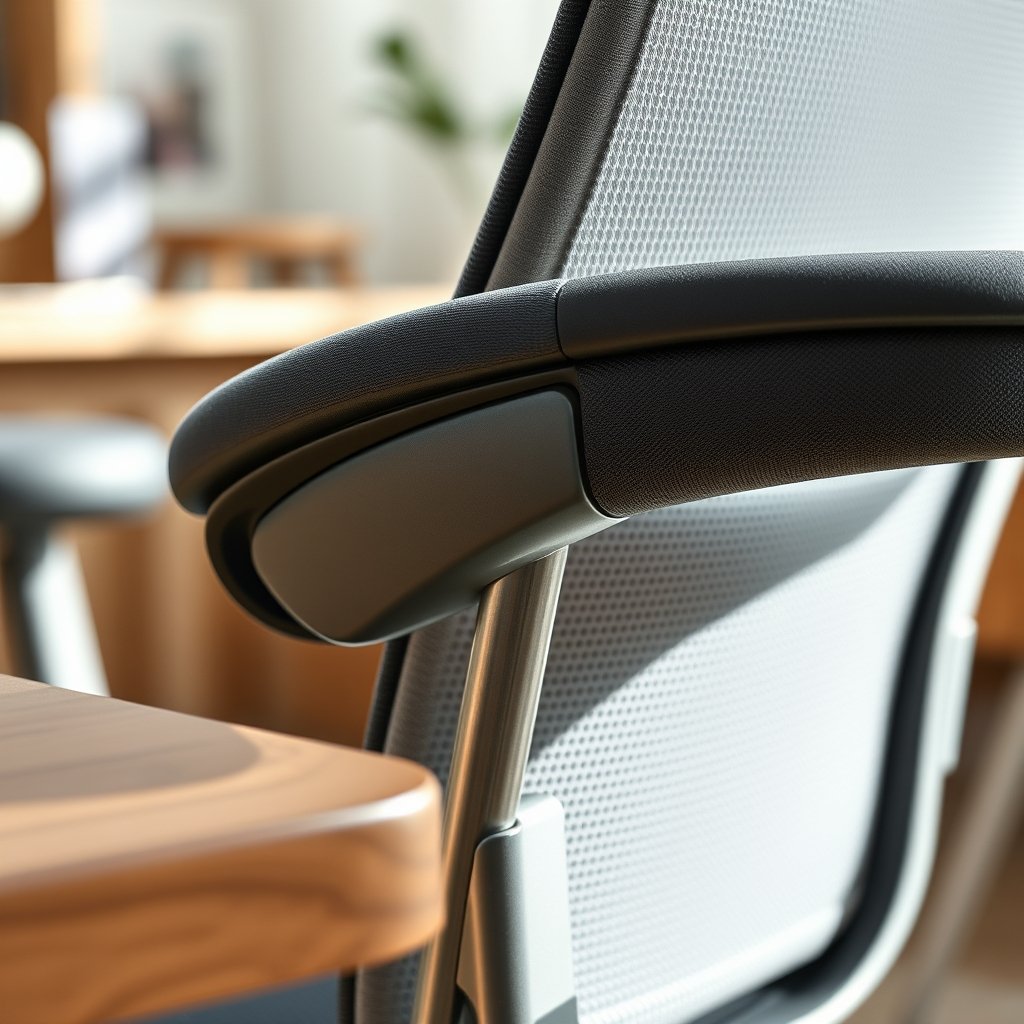
- True 5-D armrests adjustability:Basic armrests go up and down, but shoulders and wrists crave more. 5-D means you can fine-tune height, width, forward/back depth, angle, and pivot. This keeps your shoulders relaxed and wrists neutral, preventing both pain and fatigue—ideal for those using multiple keyboards or mice.
- Integrated active-sitting mechanisms:Also known as micro-movement or “free-float” tilt, these features allow the seat pan and sometimes backrest to subtly move, letting your pelvis and spine shift throughout the day. This dramatically lowers stiffness and supports sustained blood flow, unlike chairs that lock you into one static pose.
When comparing models, search reviews and tags for these terms or look in spec sheets for “dynamic lumbar,” “5D armrests,” or “active sitting.” Testing in person? Ask a rep to show you all these adjustments in action.
Find more innovative ideas for optimizing small workspaces in our convertible desk bed guide.
Common buyer complaints and regrets — what to avoid
A poorly designed ergonomic home office chair can create more discomfort if adjustability is limited.
Even expensive, five-star rated models can disappoint. The most frequent complaints with today’s home office ergonomic chairs include:
- Weak or fixed lumbar adjustment. If lumbar pads can’t be moved easily, or require tools to adjust, daily comfort suffers. Poor fit forces a hunched spine.
- Limited or wobbly armrests. Minimal adjustability or pads that shift with use mean lost support and possible shoulder pain after several weeks.
- Non-adjustable seat depth. A seat that’s too long restricts blood flow behind the knees, while too short fails to support the thighs.
- Hard plastic or overly firm cushioning. Short sit-test sessions disguise discomfort. At home, these chairs feel punishing after an hour.
- Poor build quality. Creaks, shakes, or finish that flakes after months of use are common regrets, even among well-known brands.
Before buying, read real-owner reviews from several months in. If possible, test the adjustments on the showroom floor. Don’t rush: many regrets come from skipping an in-person or generous trial period. If you want more guidance on build quality, our whole home generator installation guide covers contractor evaluation tips that apply to lasting investments like office chairs too.
What the research says about the exact adjustments that deliver relief
Successful ergonomic interventions all share a practical foundation based on the following features:
- Lumbar adjustment (height and depth): Look for a lumbar piece that adjusts at least 2-3 inches vertically and offers in/out movement to fit your lower back curve.
- Recline angle tuning: Chairs with 90–120 degree backrest recline decrease spinal load. The ability to lock in semi-recline or “float” is even better for all-day comfort.
- Seat depth adjustment: You want a fit with 2-4 finger-widths between the seat edge and your calf. Some chairs offer 1–2 inch sliding seat pans; others swap inserts or have easy levers
When you test a chair, bring your normal work attire and check that both feet are flat on the floor with your knees equal or slightly lower than your hips. Your lower back should touch the lumbar support with light, comfortable pressure throughout. Most users who experienced significant pain relief attributed success to having these adjustments—more so than just fancy looks or premium padding.
Not sure your back pain is only from the chair? See our guide on crawl space encapsulation—humidity and mold in older homes can worsen musculoskeletal pain.
Buying for a budget — how to get meaningful relief under $500
You do not need to spend over $1000 to find an ergonomic home office chair with proper lumbar and recline support.
Not all ergonomic chairs breaking $1000 are worth it—and many remote pros have found reliable, adjustable chairs for less than $500. Here are smart steps for choosing a budget ergonomic desk chair under $500:
- Prioritize essential adjustability: Ensure true lumbar support (height and depth), seat depth adjustment, and multiple recline lock positions are all present. Avoid models with only fixed features or limited lever ranges.
- Sacrifice “luxuries,” not essentials: Skip premium fabric, headrest upgrades, or thick memory foam if it means getting critical adjustability and a solid 5-year+ warranty.
- Evaluate warranty and return periods as part of your budget. That extra assurance often outperforms “extra” features.
Switching to a fully adjustable ergonomic chair, even on a budget, often results in a 30% reduction in the number of days with lower-back pain. Always check seat pan adjustments and lumbar movement before buying—or find a returnable model if shopping online.
Cross-compare must-have features with more smart purchase checklists in our aging in place bathroom remodel guide.
How to test a chair in 10 minutes (at home or in store)
Testing an ergonomic home office chair in person helps verify lumbar comfort and seat depth fit before purchase.
Most regrets occur because buyers trust reviews, not their own comfort. Here is a step-by-step chair test you can do quickly in the store—or during the return window at home:
- Lumbar fit: Sit fully back. Can you raise and lower the lumbar pad, and does it sit right in your natural lumbar curve? Try adjusting while seated.
- Seat depth: Place two fingers between the seat edge and your calf. Slide the seat pan in and out (or try different inserts) to verify real-world adjustability.
- Armrest check (5-D armrests): Adjust up/down, left/right, forward/back, angle, and pivot. Both arms should relax at 90 degrees without shrugging shoulders. If armrests wobble or feel loose, test again under gentle pressure.
- Recline/tilt: Lean back naturally. The backrest should move smoothly between 90–120 degrees. Try locking and unlocking at different stops—any stiffness or “pop” is a warning sign. Micro-movement or “active sitting” features should allow gentle rocking, not uncontrolled swinging.
- Headrest alignment: For chairs with headrests, ensure it supports the base of your skull—not pushes your head forward.
- Build quality check: Stand and gently rock the backrest and armrests. Any wobble, creak, or movement in hardware can predict early failure. Test the wheels and check for durable, smooth-rolling parts.
- Warranty/return: Ask or check the product info for minimum 5-year warranty and a risk-free, at-home trial or no-hassle return.
If lumbar or seat depth cannot be adjusted—or are extremely stiff—move on. Most buyer regrets trace back to these two failure points.
Setup & daily habits that amplify chair benefits
Even the best ergonomic home office chair performs better when paired with proper desk and monitor alignment.
Your ergonomic home office chair can only do so much if the rest of your environment fails you. Here’s how to maximize gains:
- Adjust seat height: Knees at or just below hip level. Feet fully flat, never dangling.
- Align monitor and keyboard: Top of screen at or below eye level. Keyboard close to body, wrists neutral.
- Use recline/micro-movement: Alternate between upright (typing) position and 100–120 degree recline for calls or reading.
- Take breaks: Stand and walk for at least 5 minutes every hour.
Respondents who reported the most improvement had chairs with lumbar height/depth adjustment, 90–120 degree recline, and seat depth tuning—and backed this up with consistent desk setup and break routines.
Certifications, warranties and post-purchase support to demand
Given the frequency of build quality issues in today’s office chair market, robust third-party certifications and warranty/service policies are a must:
- Certifications: Look for GREENGUARD Gold or BIFMA certification for safety, sustainability, and structural integrity.
- Warranty: Minimum 5–10 year coverage on moving parts and structural frame. Avoid “limited” warranties that exclude armrests or mechanisms.
- Trial period: Prioritize sellers with at least 30 to 100 day risk-free trials. This allows thorough testing in your real office setup.
- Service/local support: Strong brands provide part replacement, easy claim processes, and multiple contact methods for fast help.
Poor build quality leading to early wobble, creak, or finish flaking is a common failure—even among top brands. Never sacrifice long-term warranty or support if forced to choose between two otherwise similar chairs.
For bigger purchases, explore proven strategies in our garage conversion ADU and heat pump water heater upgrade guides—they break down what to demand from vendors to protect your investment.
Quick comparison checklist (one-page buyer’s checklist)
- Must-have adjustments: Dynamic lumbar (height & depth), true seat depth, 5-D armrests, multiple recline lock positions.
- Red flags: Fixed back pads, “one size fits all” design, wobbly parts, stiffness in adjustment levers, hard plastic armrests, no seat pan adjustment.
- Overlooked features to check: Micro-movement (active sitting), armrest depth/pivot, easily removable covers, squeak-test under real load.
- Warranty: 5-10 years minimum and at least 30 day no-questions-asked return window.
- Clinical benefit support: Chairs with full adjustability and micro-movement average 30% lower days with pain and 25% fewer sick-leave days.
Download or print this checklist before shopping in-store or comparing chair models online for your next lumbar support office chair work from home purchase.

Closing call to action — how to choose the right next step
Finding the right ergonomic home office chair means looking past marketing and focusing on clinically proven features—especially real lumbar, seat depth, recline, and micro-movement adjustments. Try before you buy whenever possible, or select a model with a generous trial period. Always bring this checklist, prioritize the three underreported adjustment features, and demand lasting warranty support. The difference? For most professionals, it’s measured in far fewer days lost to back pain and a better daily work experience.
Ready to take the next step? Compare models with these benchmarks or reach out to local showrooms to arrange a tryout—your back (and future self) will thank you. Want to optimize the entire home office? Pair a new chair with one of our other practical upgrades like EV charger home installation or multi-generational home addition for maximum, lasting comfort. Choosing the right ergonomic home office chair is the single most impactful investment for remote professionals in 2026.
Conclusion Ergonomic Home Office Chair
Investing in an ergonomic home office chair today can prevent years of unnecessary discomfort and reduced productivity.
FAQs
What makes a home office chair “ergonomic”?
An ergonomic home office chair supports natural posture, provides adjustable lumbar and armrests, allows seat depth/recline tuning, and enables subtle movement—reducing pain from long sitting sessions.
Is buying an ergonomic home office chair under $500 realistic?
Yes—several models provide dynamic lumbar, seat depth, and good tilt adjustment under $500. Prioritize these essentials and solid warranties over extra fabric or branding.
What’s the #1 regret buyers have after purchasing an ergonomic chair?
The most frequent regret is insufficient adjustability—especially fixed or hard-to-move lumbar pads and lack of seat depth adjustment. Always test these features before buying or during a trial period.
Do certifications really matter for ergonomic chairs?
Absolutely. Certifications like GREENGUARD Gold or BIFMA indicate the chair meets safety, durability, and sustainability standards—reducing the risk of toxic materials or early failures.
How can I quickly test if a chair will fit me?
Bring a tape measure and check lumbar position (mid-lower back), test seat depth (2-4 fingers between seat and calf), adjust armrests for full support at 90 degrees, and verify solid build with a gentle “wobble” test.
How long should an ergonomic home office chair last?
A durable ergonomic home office chair with quality components and a strong warranty should last between 5 and 10 years with daily use.