

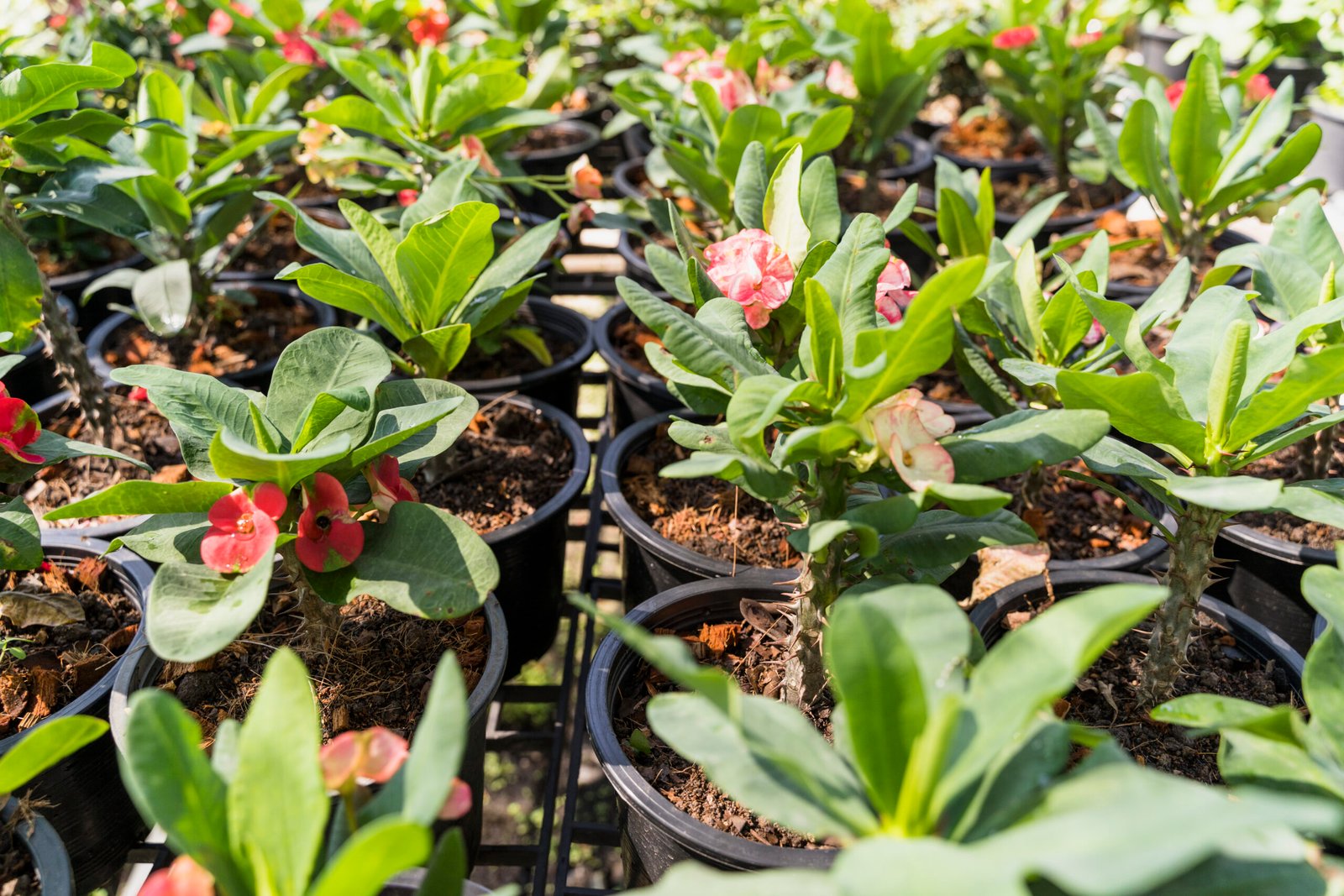
Before choosing a native plants nursery, it helps to understand the differences between local growers, garden centers, and online suppliers.
Native plants nursery searches are skyrocketing as suburban homeowners look to create pollinator havens, replace high-maintenance lawns, and save money long term by planting regional species that actually thrive. But the real-world challenges—like limited local supply, confusing online listings, and budget tradeoffs—can trip up even motivated beginners. This guide shows you exactly how to compare local versus online nurseries, maximize your dollar, avoid costly pitfalls, and boost the odds your new landscape will establish beautifully.
Key Takeaways
- Native plants may cost more up front but drastically reduce water, fertilizer, and maintenance costs over time.
- Local nurseries offer the healthiest, regionally adapted plants but often have limited options; online sources fill gaps but come with shipping tradeoffs.
- Soil testing, phased planting over 2–3 years, and mixing in native seed saves money and boosts long-term establishment success.
- Why choose native plants for your yard (quick benefits)
- Cost and success‑rate comparison — local nurseries vs. online suppliers
- Availability and supply realities — why “native plants nursery near me” often disappoints
- Common frustrations shoppers report (what to warn your readers about)
- How to choose between a local nursery and an online supplier (decision checklist)
- Three high‑impact actions missing from many how‑to guides
- Step‑by‑step phased planting plan
- Cost scenarios and mini budget calculator
- How to evaluate an online listing and inspect plants on arrival
- Quick troubleshooting: common establishment problems and fixes
- Resources and next steps
Why choose native plants for your yard (quick benefits)
Many homeowners start by visiting a native plants nursery to find species adapted to local soil and climate conditions.
Switching to native plants for pollinators and regional wildlife isn’t just about environmental good—it’s about saving real money and effort. While native plants often have a higher purchase price, research shows their long-term maintenance, water, and fertilizer needs are far lower than turfgrass or exotics. Regionally adapted native perennials, shrubs, and grasses require 70%–90% less irrigation and minimal inputs by year three, and support dozens of pollinator and bird species. That upfront investment comes back every season, in both lower bills and more biodiversity in your landscape.
Cost and success‑rate comparison — local nurseries vs. online suppliers (the practical numbers)
A quality native plants nursery often provides healthier stock and better planting advice than general garden centers.
Comparing a native plants nursery near you and buying native plants online reveals big differences in price, plant health, and potential for success. Here’s a side-by-side look based on current research:
| Source | Typical Cost Per 4-Inch Perennial | Plug Kits (30–50 plants) | Selection | Expected Establishment Rate | Other Notes |
|---|---|---|---|---|---|
| Local Native Nursery | $12–$24 (rare up to $30) |
Rarely available as kits | Often limited, regional focus | 70-80% (if healthy) | Best staff knowledge, adaptable stock |
| Online Supplier | $8–$12 (shipping extra) | $125–$160 ($10–$15 savings) |
Wider, but sometimes non-local | ~70% if planted promptly | Shipping can cause stress, ID mixups |
For a 200 sq ft bed, you might spend $250–$600 buying natives locally, or $125–$225 for a bulk online plug kit (plus $25–$60 shipping). Some rare species are only at local shops; others are online exclusives. Most experienced growers report 70–80% success rates once plants are established, regardless of source—if you prep the site and care for them early.
Learn more about how up-front investment in sustainable upgrades can produce big lifetime savings in our heat pump water heater guide.
Availability and supply realities — why “native plants nursery near me” often disappoints
Finding a native plants nursery with strong seasonal inventory can be difficult because demand for regional species continues to grow.
Searching “native plant nursery near me” usually leads to disappointment. Most commercial nurseries—especially big chains—offer very few true natives. Studies estimate that only 1% to 6% of the average nursery’s inventory is composed of native plants, with true regional selections being even harder to find. Many retailers favor fast-selling exotics or hybrids, and seasonal shortages mean you may miss the best planting window if you wait to shop locally. This can force you to order online, often with mixed provenance and delayed shipping.
For more insights into why supply chains are tight for specialty plant materials, see this industry breakdown: garden center on the challenges of selling native plants.
Common frustrations shoppers report (what to warn your readers about)
Even when you locate a native plants nursery, availability of specific pollinator plants may vary throughout the season.
- Poor labeling—tags often show only the scientific name, making it hard for new gardeners to cross-reference species.
- Listings (both in-store and online) frequently lack photos, mature size, or bloom-time info. Many buyers have no idea what they are getting.
- Staff at general nurseries rarely know much about native plants’ needs, host relationships, or best site prep.
- Online orders can arrive misidentified, rootbound, or stressed from shipping. Sometimes plants are shipped from hundreds of miles away, increasing transplant shock.
- Lead times for online seed or plug kits can exceed 2–8 weeks (especially for spring/summer surges), so plan ahead.
Many beginner gardeners share these frustrations; you’re not alone. The iNaturalist thread on native plant prices offers both real-world cost notes and buyer stories.
How to choose between a local nursery and an online supplier (decision checklist)
Visiting a native plants nursery allows you to inspect plant health before making a purchase decision.
Choosing where to get your native perennials depends on a few main factors:
- Availability: Need a rare plant or local ecotype? A trusted native plants nursery should be your first stop.
- Bulk or savings: For bulk or mix-and-match plugs (especially for meadow or rain garden starter kits), reputable online retailers typically offer better per-unit prices (see kit pricing here).
- Expertise: Local nurseries have the benefit of staff who know local soils, climate, and microclimate troubleshooting. Don’t underestimate their help!
- Shipping Risk: Online plants can get stressed in transit—check reviews and be ready to hydrate and “quarantine” new arrivals.
- Returns Policy: Is there a live-arrival or satisfaction guarantee?
Quick Decision Flow:
- Want unusual, rare, or truly regionally sourced plants? Start with a native plant nursery near you.
- Need to fill beds affordably or want a blend of species? Consider bulk plug kits and buy native plants online—just choose vendors with local or regional sourcing wherever possible.
Weigh these tradeoffs much like you would with bigger home upgrades—see our generator installation guide for another example of weighing local vs. remote sourcing and expertise.
Three high‑impact actions missing from many how‑to guides
- Soil Test and Bed Amendment: Before you buy a single plant, conduct a basic soil test (pH, compaction, texture). Amend your soil to match your target species—many natives prefer lean, well-drained soil, and a bit of local compost or sand can make the difference between slow death and thriving roots. DIY kits are $12–$15 at garden centers.
- Phased Planting Over Two to Three Seasons: Instead of spending hundreds all at once, plan two or three planting “waves.” Plant the tough, structural perennials or early plugs first. Fill in gaps with seed, smaller plugs, or even divisions the next year. You’ll learn, adapt, and spread costs over seasons—plus your establishment rate will climb to 70-80% by year three.
- Mix Plugs with Seed Propagation: Adding a native wildflower seed mix or even tray-grown seedlings cuts costs by up to 50% and boosts genetic diversity/resilience. Seeds fill gaps and bring in seasonal surprises.
Missing these steps explains why so many first-time native gardens struggle. For seed selection, see our drought-tolerant grass seed guide, which applies the same phased/seed-mix logic.
Step‑by‑step phased planting plan (season‑by‑season actions for the first 2–3 years)
Start your first planting phase by sourcing core species from a trusted native plants nursery.
Follow this concrete schedule to boost success, spread costs, and create a diverse, beautiful landscape:
- Pre-Plant (late summer/fall or early spring): Soil test, bed prep, remove weeds/grass, add compost or sand if needed. Mulch lightly (avoid thick layers).
- Year 1: Plant 50–70% of tougher, structural species (grasses, durable forbs) as plugs/pots. Water deeply, mulch 1–2 inches, keep weeds down. Observe where plants struggle or thrive.
- Year 2: Fill open areas with additional plugs or a native wildflower seed mix. Spot-tweak for gaps or microclimate issues (sun/shade/wet/dry spots). Repeat light mulch where needed.
- Year 3: Monitor and thin as needed. Add late-blooming perennials for extended pollinator support. Water only during extreme droughts; by now, most natives need little help.
Mulch and deep, less-frequent watering are critical your first year, especially after planting plugs from online orders. As reported in recent research, phased planting lets you observe, adjust, and dramatically increases your chances of 70–80% establishment and healthy long-term growth.
Cost scenarios and mini budget calculator
Here’s what you might expect to pay (not including your labor) for a typical 200 sq ft backyard native perennial bed:
| Scenario | Source | Approximate Cost | Notes |
|---|---|---|---|
| DIY Seed-Heavy | Online/local native seed | $30–$60 | Use native wildflower seed mix, tray-propagate some species. Best for low budget, moderate patience, variable success (40–60%). |
| Mixed Plugs + Seed | Plug kit + seed | $125–$225 (plus $25–$60 shipping) | Plug kit for backbone plants, seed mix for fill. Good balance of savings and instant impact. 60–80% likely establishment. |
| All Plugs/Potted Specimens | Local nursery | $400–$750 | Cost for 20–30 plugs or quarts at $12–$24 each (rare species higher). Fast impact but highest upfront spend. |
For comparison: seeding a traditional lawn may cost just $10–$30—but irrigation, mowing, and fertilizer easily erase those up-front savings within a few years (source).
For more nuanced budgeting on home upgrades, see our calculator in the garage conversion ADU guide.
How to evaluate an online listing and inspect plants on arrival
Compare online listings with recommendations from a local native plants nursery whenever possible.
Choosing where to buy native plants online means doing your homework. Here’s your five-step buyer checklist:
- Before you buy:
- Check hardiness zone, provenance (is it local?), and habitat info.
- Look for both botanical (scientific) and common names.
- Demand clear photos—ideally from both nursery and mature garden settings.
- Review bloom time and mature height/spread.
- Check for satisfaction/return policy (especially for live arrival).
- On arrival:
- Unpack immediately; check for root health, broken stems, pest/disease symptoms.
- Hydrate plugs/pots in a shallow tray for 1–2 hours before planting.
- If worried about disease or weeds, quarantine new plants for a few days away from your established beds.
Many buyers report issues with misidentified or stressed shipments. Always photograph your plants as they arrive, and don’t hesitate to contact the seller if you’re unhappy. For deeper troubleshooting on plant establishment, the Wild Seed Project’s nursery guide is a fantastic resource.
Quick troubleshooting: common establishment problems and fixes
- Wilting after unboxing/shipping? Hydrate immediately, trim dead foliage, and keep in shade for 24 hours before planting.
- Poor survival in first season? Check for soil mismatch, water deeply (not daily light waterings), and renew mulch. Some die-off is normal; replace singletons with a mix of plugs and seed next year.
- Pests or disease? Avoid chemicals. Hand-pick pests or trim affected foliage; healthy native plants bounce back with protection and improved air circulation.
- Weeds outcompeting seedlings? Mulch no more than 1–2 inches, pull large invaders by hand, or use cardboard sheet mulch between desired plants.
- When to intervene vs. when to wait? Early failures (up to 30%) are normal—don’t dig up or overwater new plugs. By year three, 70–80% is considered a strong win (source).
Resources and next steps
A regional native plants nursery can also provide guidance on bloom times, spacing, and long-term maintenance.
Your best bets for finding affordable, regionally adapted plants and reliable advice:
- Local native plant societies: Host spring and fall plant sales and seed swaps (often at lower prices than commercial nurseries).
- Native plant nursery directories: Wild Seed Project’s Native Nursery Directory is a strong starting point.
- Online seed mix vendors: Look for suppliers who offer regionally selected native wildflower seed mixes with full species lists and provenance details.
- Prepare a plant log: Track purchases, bloom times, and establishment rates each year—this will guide your future phases and help you spot which species succeed in your microlocation.
For more strategies to save on home sustainability projects, explore our latest reviews:
Conclusion
Building a thriving pollinator patch or lawn replacement starts with research and a realistic plan. Remember: you don’t have to overhaul everything at once. Test your soil, source healthy plants from both local and online sellers, and combine plugs with native seeds for the perfect balance of savings and impact. With these steps, your new native plants nursery project can bring beauty, biodiversity, and savings for years—starting this season. Ready to begin? Start with a phased plan and use the checklists here to make every dollar count.
Whether you buy locally or online, selecting a reputable native plants nursery is one of the most important factors for long-term success.
FAQ
Why are native plants so much more expensive than lawn seed?
Native perennials are grown from local seed, often in small batches. They take two to three years to mature for sale, while grass seed is mass-produced. Upfront costs are higher, but maintenance is much lower over time.
Is it better to buy from a native plants nursery near me or online?
Local nurseries give you regionally adapted plants and expert advice, but often have limited stock. Online vendors offer greater selection and discounts on plug kits, but shipping can stress plants. The best approach is to mix both sources for variety and savings.
How do I know if a plant is truly native to my area?
Always check both the scientific name and region of origin from the nursery or seed vendor. Use directories or local plant society lists. Some plants sold as “natives” are only regionally native—ask for provenance details if in doubt.
What’s the easiest way to cut costs for a new native garden?
Combine a small plug or potted plant purchase with a native wildflower seed mix. This fills out your bed, boosts genetic diversity, and saves 30-50% on installation costs compared to all-potted approaches.
What is a typical establishment success rate for native plants?
Practical rates are 70–80% once plants are established and site prep is done right. Expect some first-year losses—especially with shipped plants or seeds—but healthy, regionally adapted plugs have high long-term survival if cared for.