

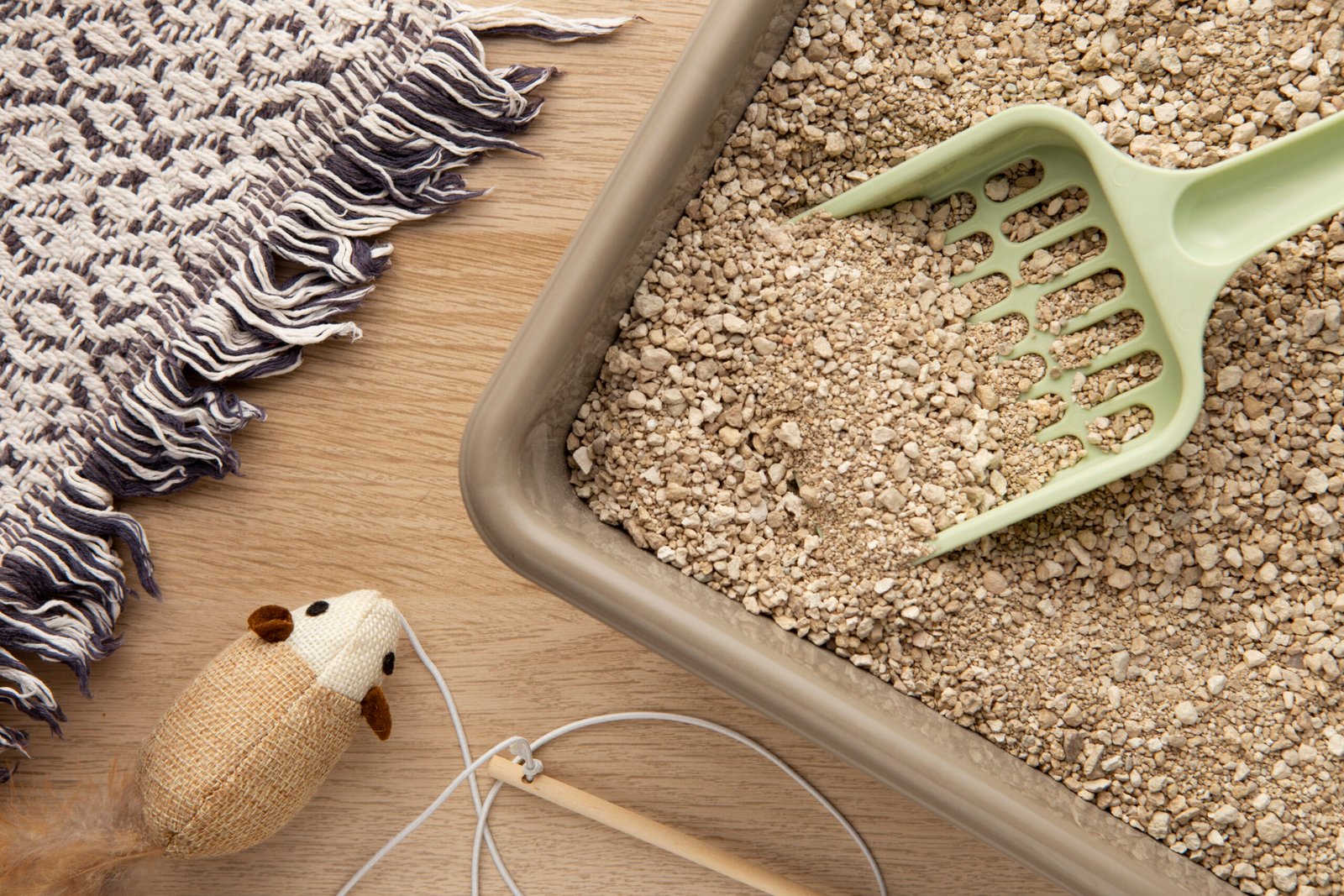
Tofu cat litter is drawing attention from eco-conscious cat owners searching for a healthier, more sustainable litter solution. But real-world evidence shows that flushability, dust, odor, and long-term costs all need careful consideration before you switch.
Key Takeaways
- Tofu cat litter can offer up to 99% less dust and 400% absorption compared to traditional clay, but odor and flushability vary by brand and plumbing type.
- Upfront prices are higher, but cost-per-use can be competitive thanks to lighter weight and longer change intervals. Real user experience depends on cat habits and litter quality.
- Flushability is not a guarantee – older plumbing or flushing large amounts may cause clogs. Smart disposal and product selection minimize risk.
- Quick verdict — is tofu litter right for you?
- Step-by-step guide to evaluating and switching
- Advanced analysis & common pitfalls
- Conclusion
- FAQs
Quick verdict — is tofu litter right for you?
If you’re seeking a biodegradable, organic cat litter dust-free solution that’s lighter and less dusty than clay—especially for asthma-sensitive cats or small apartments—tofu cat litter flushable is a strong candidate. However, expect occasional issues with flushability in older plumbing, possible need for extra odor absorbents (like activated carbon), and a higher upfront price per bag. Research shows users’ main pain points: sometimes clogged pipes, variable dust levels, and insufficient odor control unless you choose the best tofu cat litter or supplement with baking soda or charcoal. Weigh these against how much you value environmental impact, health, and easy waste removal.
Step-by-step guide to evaluating and switching
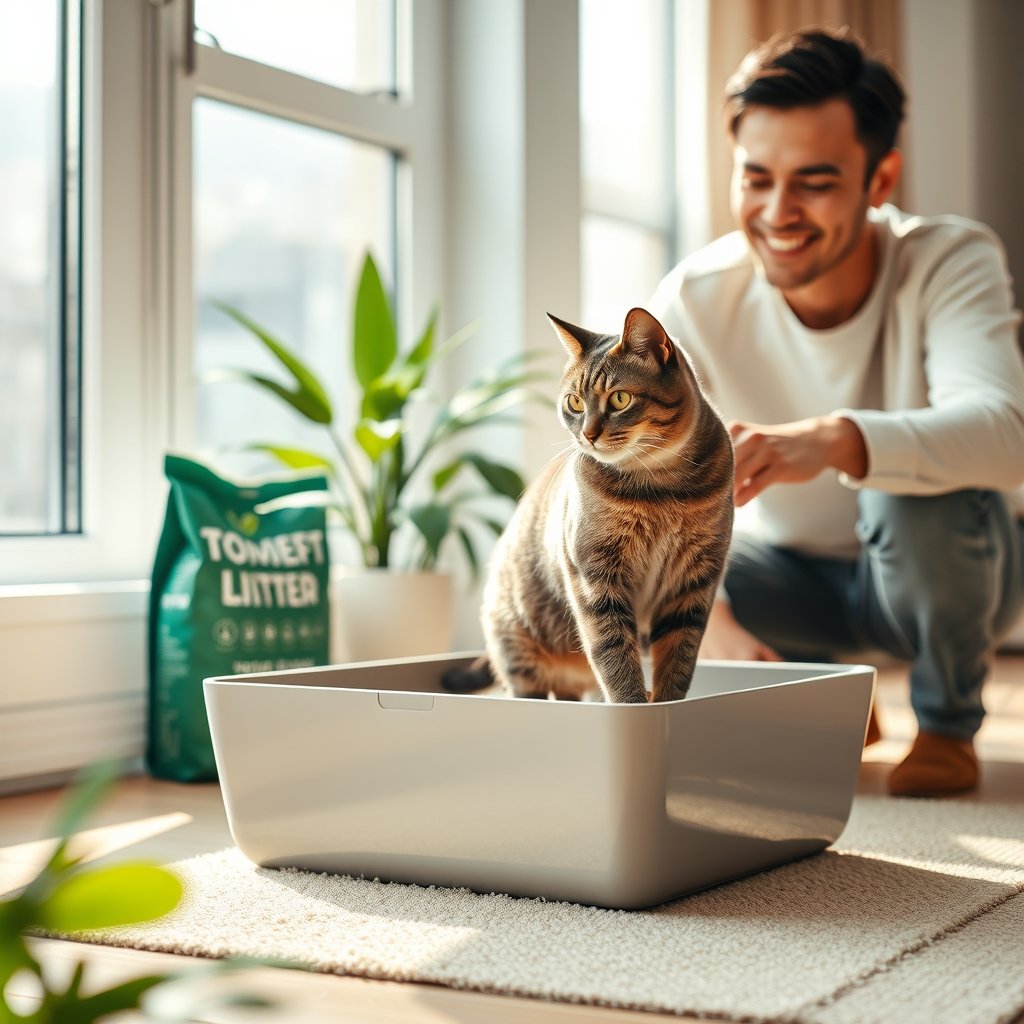
Follow these steps to pick, test, and smoothly transition to tofu cat litter, minimizing risks and maximizing performance for both you and your cat.
- Assess your needs. Is dust or chemical sensitivity (for you or your cat) a priority? Do you want flushability for easy disposal, or would composting be an option? Are you in a multi-cat home, or working to control odor in a small space?
- Confirm plumbing and regulations. Not all toilets and pipes can safely handle even “flushable” cat litter. Old plumbing, septic systems, and municipal rules may restrict flushing. Consumer Reports and user surveys cite pipe clogs as the #1 risk—so call your building maintenance or plumber if unsure.
- Pick the right product. Choose the best tofu cat litter with proven dust testing results (look for claims like “99% less dust”), added odor absorbers (e.g., activated carbon), clear ingredient labeling, and positive real-user reviews for multi-cat use. Consider starting with a small bag if your cat is picky about texture.
- Transition slowly. Mix tofu and your old litter up to 50:50 for a few days, gradually increasing tofu content. Most cats adjust smoothly, but skittish cats may need extra time.
- Scoop daily and monitor performance. Tofu litter forms firm, scoopable clumps that can go in the trash, compost, or be flushed in small amounts if safe. Monitor odor and tracking, especially in high-traffic or multi-cat settings.
- Optimize odor control. If you find the tofu smell too noticeable, add a scoop of unscented baking soda or activated carbon (charcoal) as users often do. Some litters already include these; others benefit from a DIY boost.
- Calculate your real cost-per-use. Although tofu is $15–25 for 6 lbs (versus $12–20 for 20 lbs of clay), it’s about one-third the weight, and absorbs more liquid (approx 400% vs 350% for clay). Use this simple formula:
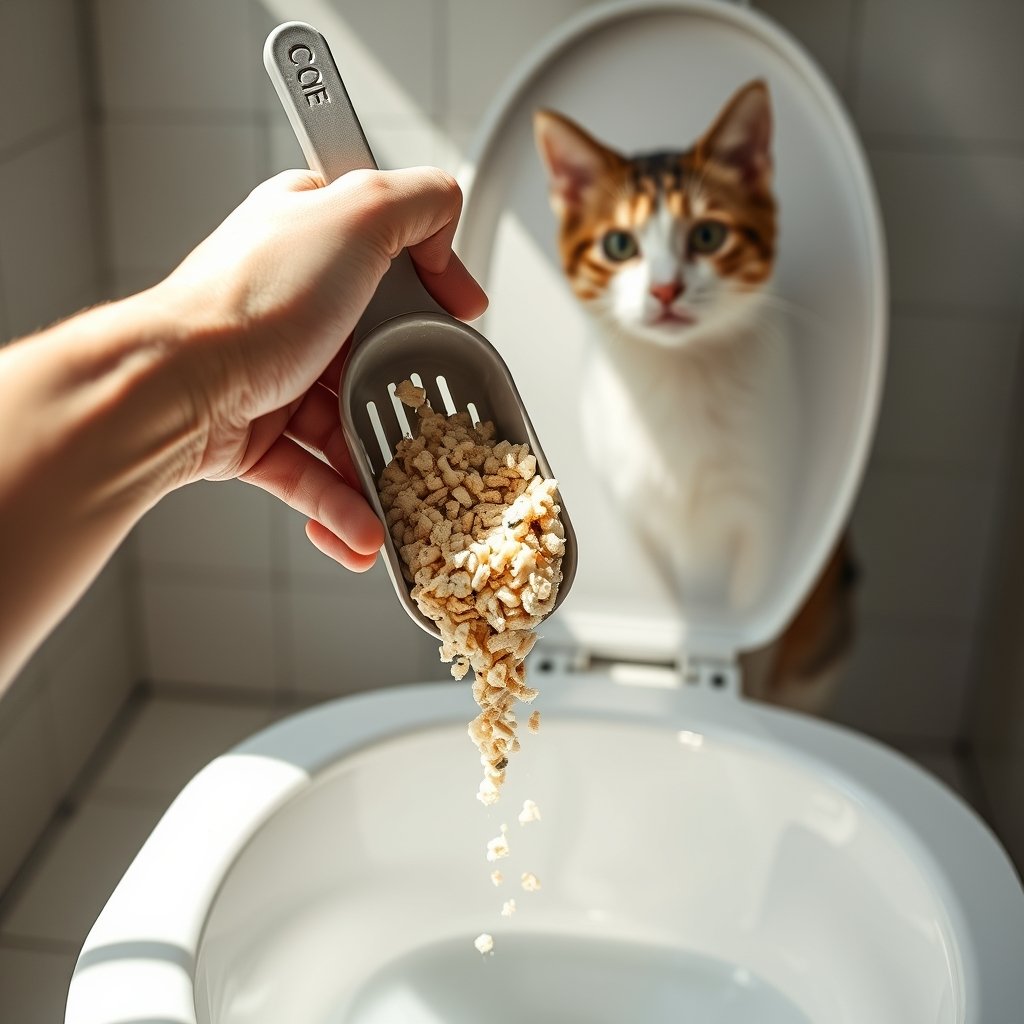
Cost per use = bag price ÷ (average days between full changes × number of cats) - Disposal best practices. Never flush more than one or two clumps at a time, and never flush if your city bans it. Compost only unused or urine-soiled tofu (never feces), or bag and trash if unsure. Consider a drain filter or catch-basin if you flush regularly.
- Track performance and adjust. After your first two weeks, compare odor levels, dust (surface or air), and tracking to your previous litter. If performance drops for multi-cat homes, try a litter formulated for multiple cats or increase change frequency.
For more actionable ways to improve your eco-home routine, you might also read our guides on maximizing savings with a heat pump water heater and saving water with drought tolerant grass seed.
Advanced analysis & common pitfalls
No product is perfect—and even the best tofu cat litter has trade-offs. Here’s what the data and real user experiences show about performance versus claims.
| Feature | Tofu Cat Litter | Clay Cat Litter |
|---|---|---|
| Flushable/Compostable | Yes (limit quantity, check plumbing) | No (landfill only) |
| Dust | Up to 99% less | Moderate to high; triggers asthma/allergies |
| Absorption Rate | About 400% | About 350% |
| Weight | ~one-third as much | Heavy (20 lb typical) |
| Odor Control | Good with carbon; variable otherwise | Often fragrance-masked |
| Cost | $15–25 (6 lbs) | $12–20 (20 lbs) |
| Biodegradability | 100% plant-based, compostable | Non-degradable |
| Multi-Cat Suitability | Needs testing; look for multi-cat formulas | Varies by brand |
- Flushability is not universal: Home plumbing, old pipes, or septic systems can clog with any flushable litter. Even with “tofu cat litter flushable” claims, limit the amount flushed and check real owner feedback.
- Odor performance changes over time: The best tofu cat litter often uses activated carbon, but some users still experience a faint “tofu” smell or insufficient control without extra deodorizers (source). In multi-cat boxes, change frequency must increase to avoid odor buildup.
- Brand and batch variability: Lower-quality tofu litters produce more dust, can be prone to tracking, and have softer clumps. Always choose brands with independent dust test results and full additive disclosure.
- Not all litters are soy-only: Watch for added cornstarch or fragrances if you want a truly organic cat litter dust-free solution. Cats with sensitive paws may prefer smaller granules or pellets.
- High upfront cost, but watch cost-per-use: Tofu litter costs more per bag but lasts longer per pound, reducing change frequency.
- Environmental lifecycle gaps: While tofu is plant-based and breaks down in compost or water, there is little published on the full carbon footprint compared to mined clay or the sustainability of large-scale soy sourcing. If this is your priority, check for third-party certifications or brand transparency.
- Multi-cat performance data is limited: Most reviews and studies focus on single-cat households. If you have a high-output or multi-cat box, run your own tests for clump integrity and odor after 48–72 hours. For other strategies that maximize space in multi-pet homes, see our multi-generational home addition guide.
Missing from many top 2024 reviews are: long-term plumbing studies, regional disposal regulation comparisons, VOC odor rating metrics, detailed respiratory health outcomes, and cost-per-cycle calculators for budgeting. As you test, document your results—every household is different.
Conclusion
Tofu cat litter is a genuinely cleaner and more sustainable alternative to clay, offering up to 99% less dust, superior absorbency, and lighter weight. But its real-world flushability is limited by plumbing realities, odor control may require brand-testing or additives, and cost-per-use savings vary by cat and box. If environmental impact, flushability, or respiratory safety are priorities—and you’re willing to test brands and track outcomes—switching thoughtfully can be highly rewarding.
Ready to try it? Weigh the best tofu cat litter options for your priorities, follow the step-by-step process above, and revisit your results after two weeks. If you want your home to be greener too, don’t miss our reviews on crawl space encapsulation, spray foam insulation cost-savings, or garage conversion ROI strategies.
Ultimately, if you value plant-based, biodegradable cat litter that truly helps reduce dust and waste, the right tofu cat litter could deliver a healthier home for both cats and people.
FAQs
Is tofu cat litter really flushable?
Tofu cat litter can be flushed in small amounts in some systems, but always check your own plumbing and local regulations first. Large clumps or daily flushing can clog older or narrow pipes (source).
How does tofu cat litter control odor compared to clay?
Unfragranced tofu cat litters are best when formulated with activated carbon to neutralize smells. Some users add baking soda or charcoal to plain formulas. Clay often relies on synthetic fragrances, which can mask rather than remove odors (source).
What are the key benefits of tofu cat litter for multi-cat households?
High absorption and low dust are major benefits, reducing box changes and tracking mess. For best results, choose multi-cat formulas, scoop more frequently, and monitor clump integrity across several days to ensure odor and firmness last.
Can I compost used tofu cat litter?
You can compost urine-soiled tofu litter but not feces. Check local composting guidelines, and never flush or compost if you are unsure about possible pathogen risks.
Does tofu cat litter cost more in the long run?
The upfront cost per bag is higher, but you’ll use less each week due to higher absorbency and lighter weight, which can make the cost-per-use close to or even lower than clay in many households. Use the cost-per-use formula above for your specific situation.
—